


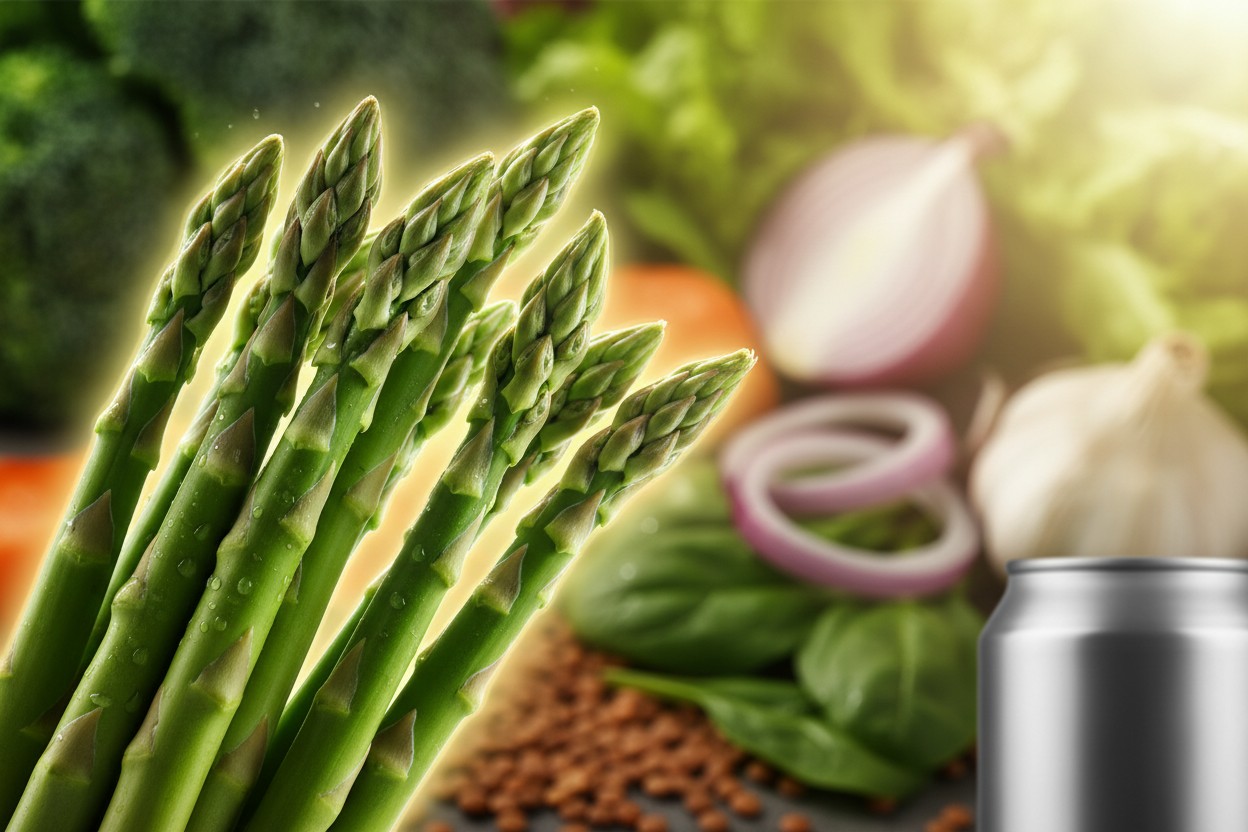
The UK Biobank is among the world’s largest health databases, and researchers said the preference-based method sidesteps a common problem in nutrition studies -- people often misremember or underreport what they actually eat. The study found that a strong liking for asparagus showed the strongest protective association of any single food tested, with the 31% lower all-cause mortality risk remaining consistent after adjusting for smoking, existing disease, supplement use and other factors.
Study Methodology and Key Findings
Rather than relying on memory-based dietary recall, which researchers said can introduce bias, the team asked participants to rate their preference for each of 140 foods on a scale. This approach avoids what the authors described as a weakness of traditional food-frequency questionnaires. According to the study, liking a food and eating a food tend to move together; prior research comparing preference questionnaires to actual intake has supported that link.
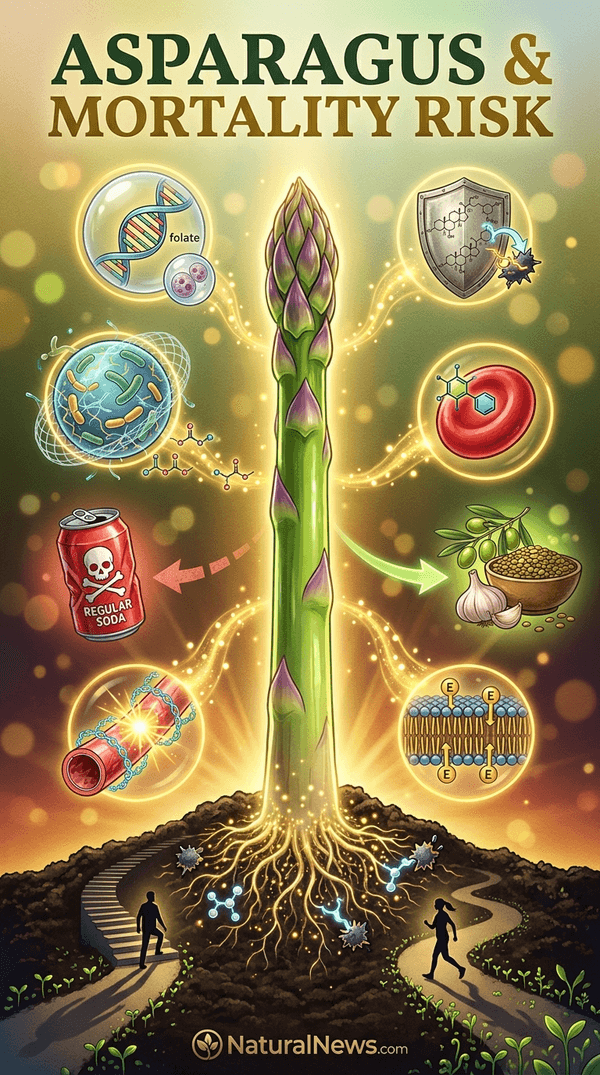
Asparagus was not the only food tied to lower risk. The study also found that a preference for broccoli, spinach, onions, garlic, mushrooms, lentils, black pepper and extra virgin olive oil tracked with meaningfully lower mortality. On the opposite end, a strong preference for regular soda was the most consistent marker of higher risk. The findings align with the idea that the vegetables people genuinely enjoy tend to appear on their plates most often, and a taste for asparagus likely reflects a broader pattern of choosing produce over processed convenience foods.
Why Asparagus Specifically May Matter for Long-Term Health
Asparagus delivers a distinct nutritional profile compared with more commonly studied vegetables, according to the report. The vegetable contains meaningful amounts of folate, a B vitamin involved in red and white blood cell production and carbohydrate conversion, as noted by NaturalNews.com in a separate article [1]. It also contains vitamin K and prebiotic fiber that feeds beneficial gut bacteria. Fiber intake has been linked to lower all-cause mortality in large meta-analyses covering more than one million participants, according to the study authors.
Antioxidant compounds called saponins appear in unusually high concentration in asparagus. These compounds have drawn separate research interest for their potential role in inflammation control. The findings also fit a broader nutritional principle: diets rich in vegetables and plant-based foods have long been associated with lower mortality risk. Research published in Nutrition Research and Practice has examined how vegetables like asparagus contribute to the availability of minerals such as iron and zinc in composite dishes [2].
Vitamin E levels in asparagus also merit attention. Vitamin E, a potent antioxidant found in avocados, asparagus, vegetable oils, nuts and leafy green vegetables, has been shown to inhibit LDL and membrane phospholipid oxidation [3]. This antioxidant activity may further support the mortality benefit observed in the study.
Study Limitations and Broader Context
Researchers cautioned that no single food determines longevity. Genetics, chronic stress, exposure to environmental toxins and many other factors can shape health outcomes alongside diet. The study provides an observational link, they said, not proof of causation. The asparagus finding held up across 11 sensitivity analyses, but unmeasured factors could still influence results.
Broader research has also highlighted the role of simple dietary habits in extending life. A separate study using data from more than 135,000 adults found that adding just five minutes of brisk walking per day and reducing sitting time by half an hour could prevent millions of premature deaths [4]. Another review covering more than 480,000 participants found that taking the stairs was associated with lower risk of death [5]. These findings collectively underscore that small, everyday choices may have significant long-term health impact, though the German study’s authors said more research is needed to confirm mechanisms linking specific food preferences to mortality outcomes.
Conclusion
A preference for asparagus was associated with a 31% lower mortality risk in a large study using a novel preference-based assessment method rather than traditional dietary recall. The finding held across multiple sensitivity analyses and joined 26 other foods -- including broccoli, spinach, onions and garlic -- that also tracked with lower risk. Regular soda preference, conversely, tracked with higher mortality.
The findings align with broader dietary patterns favoring whole vegetables over processed foods. However, as the study’s authors noted, no single food determines longevity, and the results provide an observational link, not a proof of causation. Further research is needed to confirm the mechanisms behind the association and to assess how food preference data might inform future dietary recommendations. For now, the evidence suggests that enjoying asparagus as part of a diet rich in vegetables may be one modest factor among many in a longer, healthier life.
References
- NaturalNews.com. "The benefits of folate supplementation for people with hypertension". NaturalNews.com. January 06, 2019.
- Acrobat Distiller 3.01 for Windows. "In vitro estimation of iron and zinc dialysability from vegetables and composite dishes commonly consumed in Italy: effect of red wine". Nutrition Research and Practice 4(6):907-913.
- Gebruiker. "Oxidative Stress and Chronic Degenerative Diseases A Role for Antioxidants".
- NaturalNews.com. "Science finds a simple path to good health and a longer life". NaturalNews.com. August 24, 2026.
- NaturalNews.com. "Study: Taking Stairs Associated With Lower Risk of Death". NaturalNews.com. August 16, 2026.
Explainer Infographic









Please contact us for more information.


