


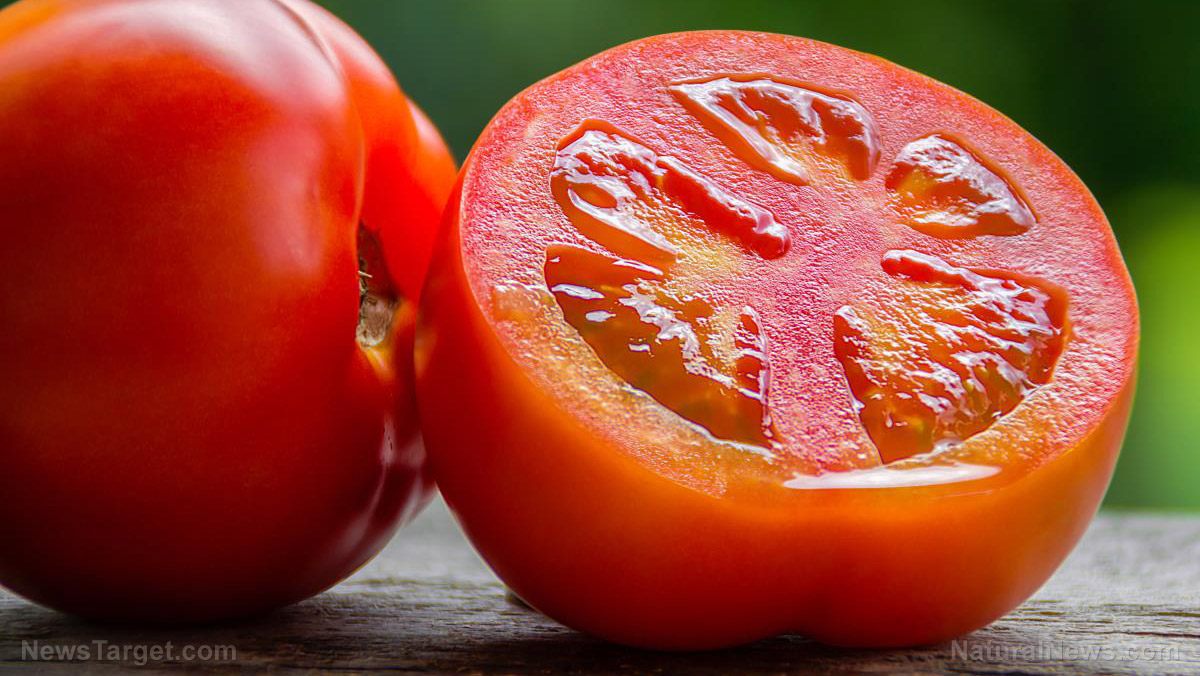
- Lycopene, the red pigment in tomatoes, may offer modest protection against cancer and cancer-related death.
- A meta-analysis of 121 studies found high lycopene intake linked to a 5% lower cancer risk, while tomato consumption was tied to an 11% lower risk of cancer death and lycopene intake specifically to a 16% lower risk.
- Blood lycopene levels showed stronger protection, with an 11% lower cancer risk and 24% lower risk of cancer death.
- Benefits peak at 5 to 8 milligrams of lycopene daily, roughly one to two medium tomatoes.
- Cooking tomatoes with healthy fats like olive oil significantly improves lycopene absorption.
A sweeping analysis of 121 studies tracking nearly 2.7 million participants has found that lycopene, the pigment that gives tomatoes their red color, may offer modest but meaningful protection against cancer and cancer-related death.
Published in Frontiers in Nutrition, the systematic review and dose-response meta-analysis combined 121 prospective studies from four scientific databases, making it one of the largest investigations into the relationship between tomato and lycopene intake and cancer outcomes.
Here is what the science says about how much tomato to eat, how to get the most benefit, and where the evidence remains uncertain.
What the numbers show
People with the highest lycopene intake showed a 5% lower risk of developing cancer overall compared to those with the lowest intake. When researchers measured actual lycopene levels in the blood — a more accurate indicator of what the body absorbs — the protection roughly doubled, with an 11% reduction in cancer risk. Researchers say the gap between what people eat and what shows up in their blood suggests absorption matters as much as intake.
The benefits extended beyond prevention. Higher tomato consumption was linked to an 11% lower risk of cancer death, while higher lycopene intake specifically correlated with a 16% lower risk. Blood lycopene levels told an even stronger story: people with the highest levels had a 24% lower risk of dying from cancer than those with the lowest levels. Lung cancer showed the strongest response, with high blood lycopene corresponding to a 35% lower mortality risk.
Results for prostate cancer were less consistent. While one analysis found risk fell steadily as lycopene intake rose, researchers noted that dietary lycopene intake alone did not significantly affect prostate cancer risk overall, suggesting the evidence there remains unsettled.
The sweet spot: 5 to 8 milligrams daily
Researchers found that benefits peaked at daily intakes between 5 and 8 milligrams — roughly one to two medium tomatoes. Consuming more than 10 milligrams per day provided no additional reduction in cancer risk.
Cooking matters more than you think
Processed tomato products such as sauces and juices are more concentrated sources of lycopene than fresh tomatoes. Cooking tomatoes and pairing them with healthy fats like olive oil or avocado enhances absorption, since lycopene is fat-soluble.
Katrina Sommer, an advanced clinical dietitian with OSF HealthCare, emphasized that preparation matters. "These need to be absorbed very well in our system," Sommer said. "To do that, cook them and you can drizzle olive oil on them so we can absorb those nutrients optimally." Tomato sauce or soup count too, she noted.
What the evidence cannot tell us
The study's authors caution that because the research is observational, it can identify associations but not prove causation; people who eat more tomatoes may simply live healthier lives overall. Since the bulk of the underlying data came from the U.S. and Europe, the authors stopped short of applying the results globally as diets, genetics and lifestyle habits shift too much from one region to the next to assume the same numbers would hold up elsewhere. Even so, the pattern showed up again and again across all 121 studies, some tracking participants for nearly 30 years, which is exactly the kind of repetition that makes researchers take a finding seriously.
A food-first approach, not a pill
Sommer recommends a mostly plant-based diet, with less red meat, processed meat, alcohol and added sugar. The findings point to something increasingly rare in modern health advice: a real benefit that comes from real food, not a prescription. For readers wary of an industry more invested in patentable treatments than in prevention, a homegrown tomato with an honest ingredient label may do more good than another pill with a fine-print list of side effects.
Sources for this article include:









Please contact us for more information.


