



- Texas A&M scientists discovered coffee compounds activate a cellular receptor called NR4A1 that protects against stress and inflammation.
- The receptor, tied to aging and disease, responded most strongly to plant-based compounds like caffeic acid, not caffeine.
- When researchers removed NR4A1 from cells, coffee's protective effects disappeared entirely.
- Decaffeinated coffee may offer similar benefits since protective compounds are plant-based, not caffeine-dependent.
- The findings provide a biological mechanism explaining why coffee drinkers tend to live longer with less chronic disease.
Why your morning cup may fight aging at cellular level
Scientists at Texas A&M University have identified a hidden cellular switch that may explain why coffee drinkers consistently live longer and face lower risks of chronic disease. The discovery, published in the journal Nutrients, reveals that compounds in brewed coffee activate a receptor called NR4A1 that helps the body fight stress, inflammation and age-related cellular damage.
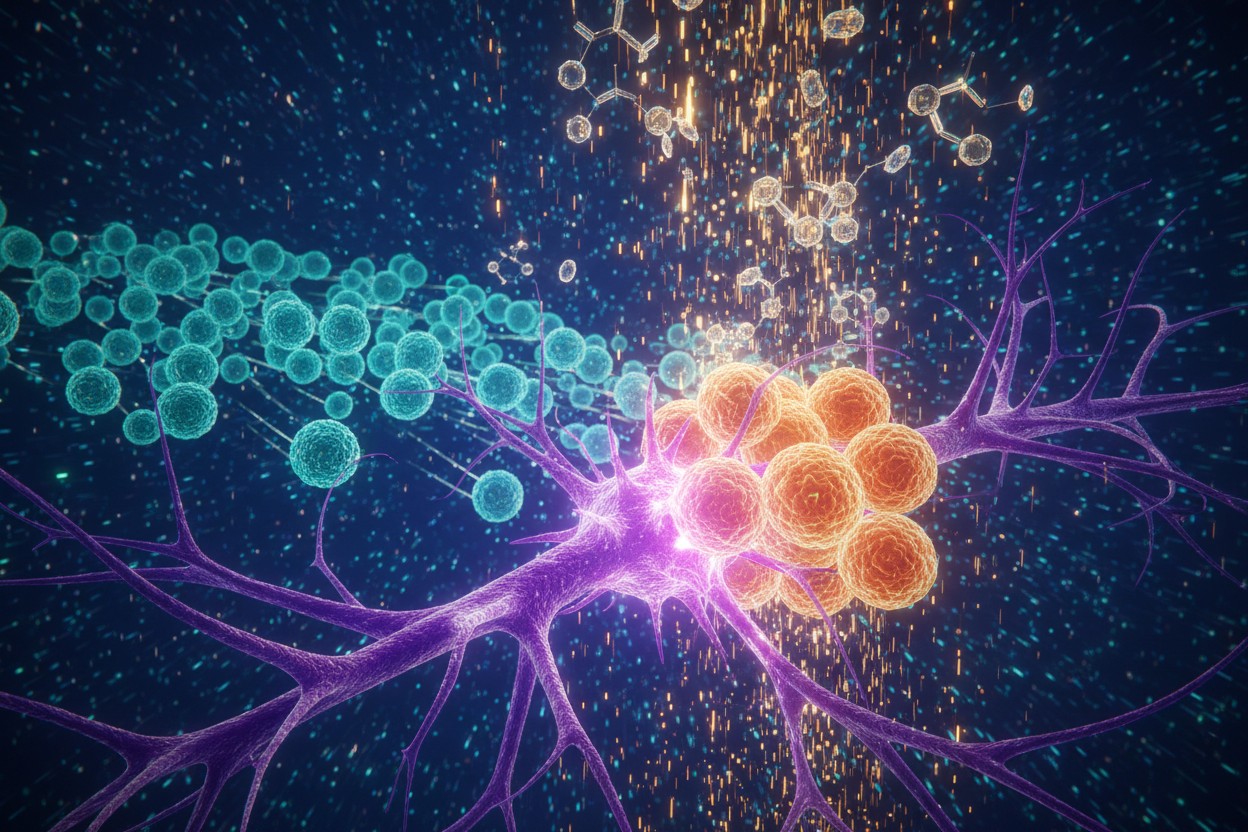
Researchers from the Texas A&M College of Veterinary Medicine and Biomedical Sciences found that multiple compounds in coffee bind directly to NR4A1, a nuclear receptor increasingly recognized as a "nutrient sensor" that protects tissues from damage. When scientists removed this receptor from cells in laboratory models, coffee's protective effects disappeared entirely.
The study involved researchers including Dr. Stephen Safe, Dr. Robert Chapkin, Dr. Roger Norton, Dr. James Cai and Dr. Shoshana Eitan. Using fluorescent binding assays and surface plasmon resonance, they demonstrated that brewed coffee and its major polyphenolic compounds interact with NR4A1's ligand-binding domain.
The receptor that guards against damage
NR4A1 belongs to a family of nuclear receptors that regulate gene activity when the body encounters stress or tissue injury. Previous research has linked this receptor to inflammation control, metabolism regulation and tissue repair—all processes closely tied to aging and age-related conditions such as cancer, neurodegenerative disease and metabolic disorders.
"If you damage almost any tissue, NR4A1 responds to bring that damage down," said Safe, distinguished professor and Sid Kyle Endowed Chair in Veterinary Toxicology. "If you take that receptor away, the damage is worse."
The protective effects observed in the study included reduced cellular damage and slowed growth of cancer cells in laboratory models. In macrophage cells, coffee compounds inhibited inflammation-related pathways, further supporting the receptor's role in maintaining health.
Caffeine isn't the star player
Despite caffeine being the most abundant compound in coffee, the study found it may not be responsible for these health benefits. Naturally occurring plant compounds—including caffeic acid, ferulic acid, chlorogenic acid and p-coumaric acid—showed far stronger activation of NR4A1.
"Caffeine binds the receptor, but it doesn't do much in our models," Safe said. "The polyhydroxy and polyphenolic compounds are much more active."
This finding helps explain why large population studies have linked both caffeinated and decaffeinated coffee with similar health benefits. Most binding constants for these protective compounds measured below 10 micromolar, indicating strong biological activity.
Historical significance and future directions
For decades, observational studies involving hundreds of thousands of participants—including a landmark 2012 New England Journal of Medicine study of 400,000 older adults—have associated coffee consumption with reduced mortality from heart disease, respiratory issues, stroke, diabetes and infections. Yet scientists could not explain the biological mechanism.
This Texas A&M research provides the first direct cellular pathway linking coffee compounds to disease protection. The findings matter today because they transform coffee from a beverage with unexplained associations into one with a known biological mechanism, potentially guiding future drug development and dietary recommendations.
Safe's team is already studying synthetic compounds that target NR4A1 more effectively than natural dietary substances, with the goal of developing treatments for cancer and other diseases.
What this means for coffee drinkers
The research does not change current consumption recommendations, and individual responses may vary depending on health status and caffeine sensitivity. However, the findings offer scientists a long-sought biological explanation for coffee's association with longevity.
"Coffee is a very complex mixture of compounds," Safe said. "It's a very potent combination."
The study adds to growing evidence that diet—particularly plant-based compounds—plays a critical role in regulating aging and disease processes at the cellular level. For millions of daily coffee drinkers, the research suggests their habit may offer more than temporary alertness, potentially supporting long-term health through a newly understood biological pathway that has remained hidden until now.
Sources for this article include:










Please contact us for more information.


