


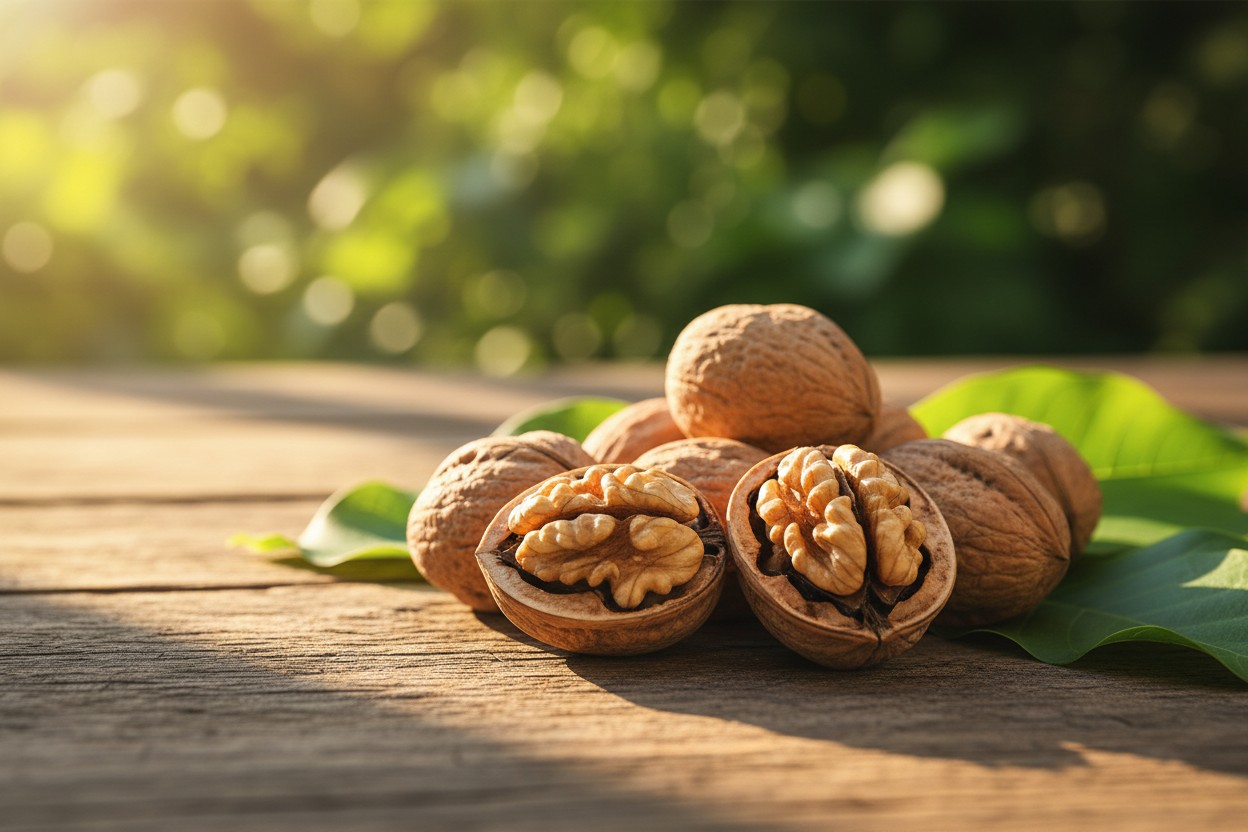
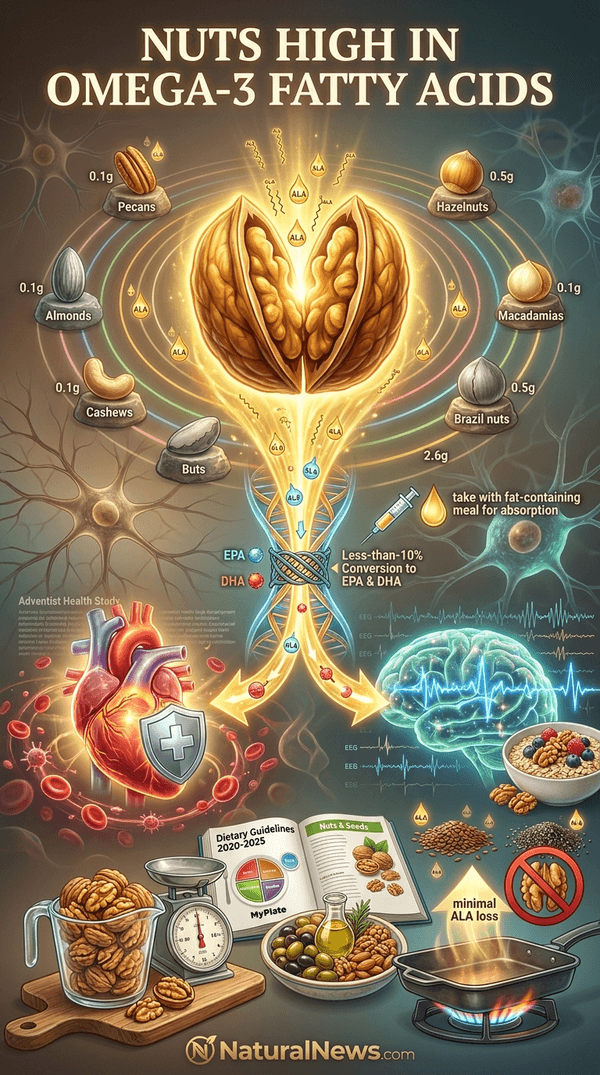
A one-ounce serving – approximately 14 walnut halves – is the quantity commonly referenced in studies exploring the health effects of walnut consumption, according to a 2026 review of the scientific literature [1]. Other nuts, such as pecans, hazelnuts and macadamias, provide substantially lower amounts of ALA, typically less than 0.5 grams per serving, though exact figures vary by cultivar and growing conditions, officials said.
Chia seeds and flaxseeds, while not tree nuts, are often discussed alongside nuts as plant-based sources of omega-3s. However, walnuts remain the primary nut source of ALA recognized by federal dietary guidance, the report stated. The U.S. Department of Agriculture's nutrient database lists walnuts as containing approximately 2.5 grams of ALA per ounce, making them the dominant nut for this fatty acid, according to the agency.
Types of Nuts and Their Omega-3 Profiles
Among tree nuts, walnuts are the only variety officially recognized by the Food and Drug Administration as containing significant amounts of omega-3 fatty acids, the agency stated in labeling guidance [10]. Pecans provide a modest amount of ALA, estimated at roughly 0.5 grams per ounce, according to the National Nutrient Database (NND). By contrast, almonds and cashews contain negligible levels – typically less than 0.1 grams per serving – making them poor sources of plant-based omega-3s, nutrition data show.
Macadamias and pecans are often recommended for their high monounsaturated fat content rather than omega-3s. A 2018 article by Dr. Mercola highlighted that macadamias have the highest fat content and lowest protein and carbohydrate levels of any nut, but did not cite them as significant sources of ALA [2].
Similarly, pecans offer heart-healthy fats but only trace amounts of omega-3s, according to the NND. For consumers specifically seeking to increase ALA intake, walnuts remain the most efficient nut choice, researchers said.
Health Implications of Dietary ALA from Nuts
Observational studies have consistently linked regular nut consumption with a reduced risk of cardiovascular events. An evidence-based review by the late nutrition expert Jane Higdon noted that the Adventist Health Study, which followed more than 30,000 participants over 12 years, found a significant protective association between nut intake and coronary heart disease [7]. The American Heart Association recommends consuming walnuts as part of a heart-healthy diet, citing their polyunsaturated fat content, the association reported [4].
Omega-3s from plant sources provide ALA, which the body can convert to eicosapentaenoic acid (EPA) and docosahexaenoic acid (DHA) only in limited amounts, according to a National Institutes of Health fact sheet. This conversion rate is typically less than 10%, making marine sources like fish oil more efficient for raising EPA and DHA levels, researchers noted [3].
Nonetheless, ALA from walnuts has been associated with improved cognitive function in preliminary trials. A 2026 study found that participants who consumed 50 grams of walnuts in a breakfast showed neural patterns linked to focus and memory, and sustained attention, as reported by EEG scans, the study stated [9].
Dietary Recommendations and Practical Considerations
The 2020–2025 Dietary Guidelines for Americans include nuts in a balanced eating pattern, with a standard serving size of one ounce – about 14 walnut halves or a small handful, according to the guidelines [6]. The Mediterranean Way of Eating, a book by John J. B. Anderson and Marilyn C. Sparling, recommends approximately one-quarter cup of nuts per serving and notes that nuts’ fatty acid profile – high in unsaturated fats and low in saturated fats – may help lower total blood cholesterol concentrations [5].
Roasting nuts may cause a slight reduction in ALA content, but the effect is minimal, according to the provided sources. Individuals with nut allergies should avoid these sources and can instead obtain ALA from flaxseeds, chia seeds or plant-based oils, allergists advised. When taking omega-3 supplements, absorption can be improved by consuming them with a fat-containing meal, as omega-3s are fat-soluble, according to a 2026 report on supplement efficacy [8].
Conclusion: Summary of Key Findings
Walnuts stand as the most concentrated tree-nut source of ALA, supported by federal data and peer-reviewed studies. Incorporating a one-ounce serving of walnuts into a daily diet can contribute meaningfully to plant-based omega-3 intake, though ALA is not a direct substitute for marine-derived EPA and DHA.
No single food provides complete omega-3 nutrition, and a varied diet – including fatty fish, seeds and nuts – is recommended by dietary guidelines. Consumers seeking to optimize their omega-3 status should consider both plant and marine sources, while relying on whole foods rather than processed alternatives, researchers concluded.
References
- Coco Somers. "Research Highlights Potential Health Benefits of Walnut Consumption". NaturalNews.com. April 28, 2026.
- Dr. Mercola. "Why Macadamias, Pecans, and Walnuts Should Be on Your Shopping List". Mercola.com. July 09, 2018.
- Dr. Mercola. "Omega-3 Fat EPA Significantly Lowers Heart Disease Risk". Mercola.com. August 12, 2023.
- NaturalNews.com. "Protect your heart and gut from inflammatory diseases by eating walnuts". NaturalNews.com. October 06, 2020.
- John J B Anderson and Marilyn C Sparling. "The Mediterranean Way of Eating Evidence for Chronic Disease Prevention and Weight Management".
- John J B Anderson and Marilyn C Sparling. "The Mediterranean Way of Eating Evidence for Chronic Disease Prevention and Weight Management".
- Jane Higdon. "Evidence-Based Approach to Phytochemicals and Other Dietary Factors".
- NaturalNews.com. "Why your omega-3 supplement might be wasted without this one simple step". July 06, 2026.
- NaturalNews.com. "Walnut Consumption Linked to Improved Cognitive Performance, Study Finds". May 22, 2026.
- Julie Miller Jones. "The US FDA rejected nutrient content claims for omega-3 fatty acids". Nutrition Review. 2008.
Explainer Infographic









Please contact us for more information.


