


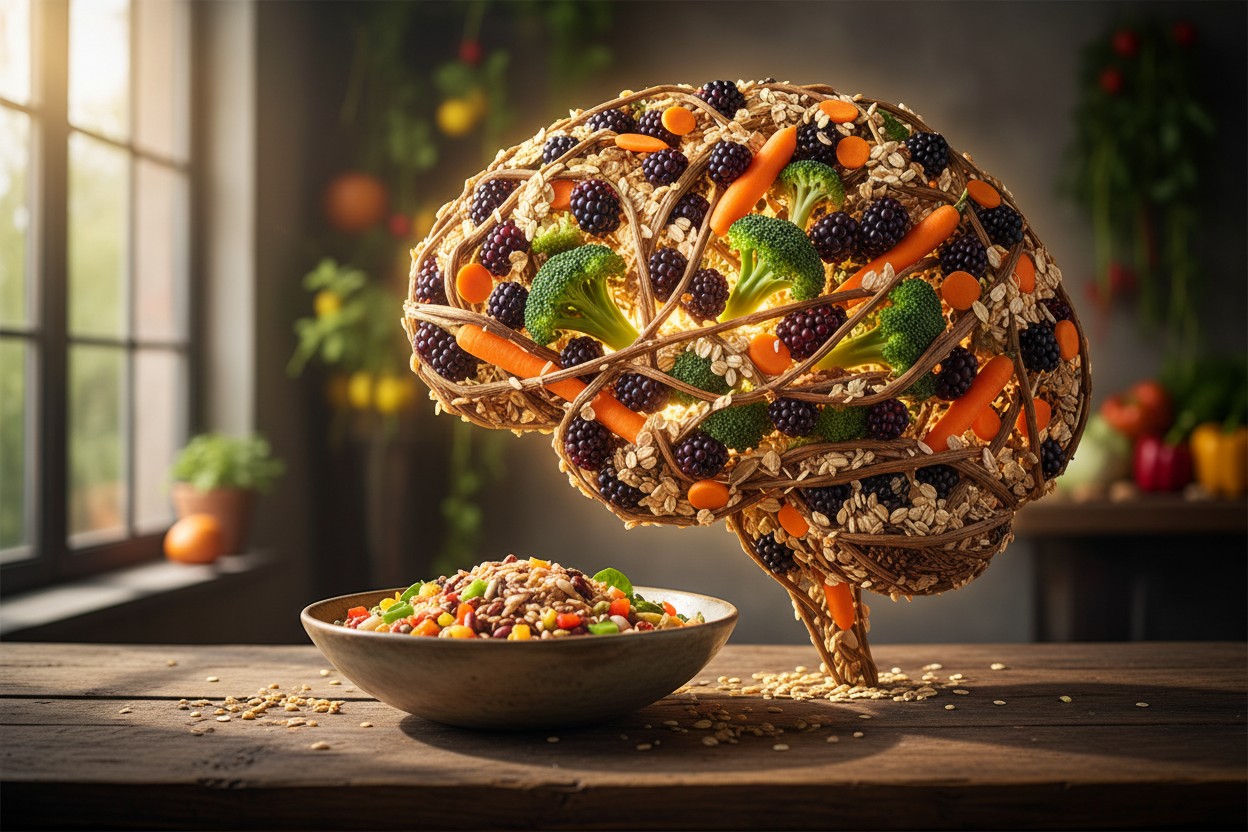
Overview: Fiber and Dementia Risk
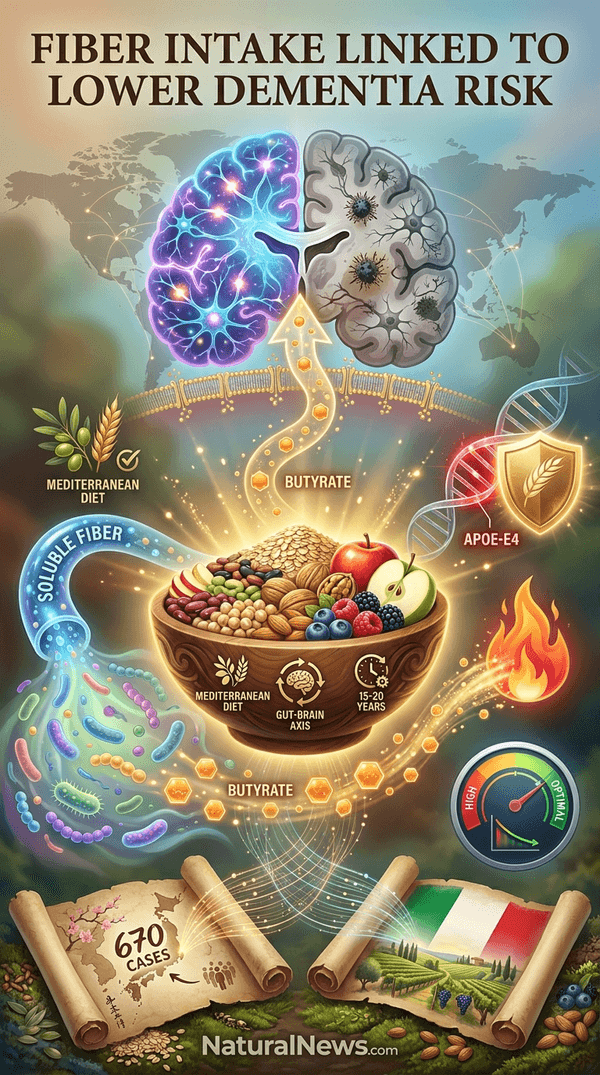
Two studies published in 2023 suggested that adults who consume higher amounts of dietary fiber may have a lower risk of developing Alzheimer’s disease and other forms of dementia, according to findings reported in the journals Nutritional Neuroscience and Age and Ageing. The studies, one in Japan and one in Italy, each tracked participants over periods of 15 to 20 years.
The results add to a growing body of evidence linking nutrition to brain health. Fiber, a carbohydrate the body cannot digest, is already known to support digestive health, regulate blood sugar, and reduce inflammation, researchers noted. A study published in May 2026 identified dietary fiber as one of five nutrients associated with a lower risk of dementia among older adults, according to researchers who analyzed data from more than 6,200 U.S. adults. [1]
Japanese Study: Higher Fiber, 26% Lower Risk
Researchers led by Kazumasa Yamagishi examined dietary data from 3,739 Japanese men and women aged 40 to 64 at enrollment. Participants completed food frequency questionnaires, and their health was followed for 20 years. During that period, 670 developed disabling dementia, the study stated.
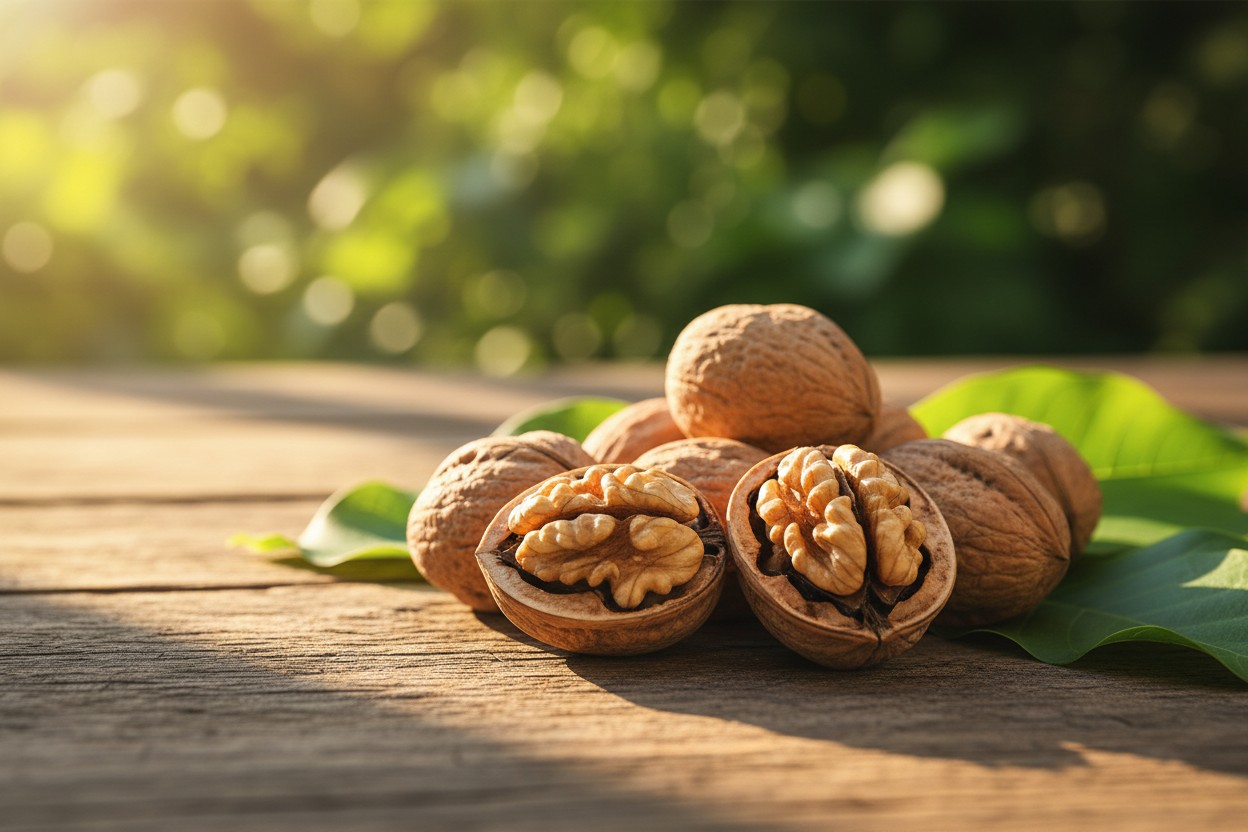
The participants who reported the highest fiber intake, estimated at 18 to 65 grams per day, had a 26 percent lower risk of developing dementia than those who consumed the least, between 2 and 10 grams per day. Soluble fiber, found in foods such as oat bran, beans, nuts, and some fruits and vegetables, appeared to offer stronger protection than insoluble fiber, though both types showed benefits, according to the report.
Italian Study: Benefits for APOE-E4 Carriers
The second study, led by Andrea Union-Caballero, focused on 848 older adults aged 65 and older living in two areas of Tuscany, Italy. All participants underwent genetic testing to determine whether they carried the APOE-E4 gene variant, a known risk factor for Alzheimer’s disease. Researchers tracked their dietary patterns and cognitive performance over 15 years.
Among those who carried the APOE-E4 gene, higher fiber consumption was linked to better scores on memory and thinking tests, the study reported. The association was not observed in participants who did not carry the gene variant, suggesting the protective effect may be specific to genetically susceptible individuals, researchers said.
How Fiber May Protect the Brain
Fiber is known to reduce the risk of chronic conditions such as diabetes, heart disease and obesity, all of which are themselves risk factors for dementia, according to a report on fiber and brain aging. [2] Fiber also feeds beneficial gut bacteria, which may help lower body-wide inflammation and support immune function, the report stated.
Butyrate, a short-chain fatty acid produced when gut bacteria ferment fiber, has been shown in animal studies to improve memory function, according to Dr. Steven R. Gundry in his book “The Longevity Paradox.” [3] Diets high in fiber also tend to be rich in polyphenols and other antioxidants that protect brain cells, researchers added.
Dietary Recommendations and Sources
Despite these findings, most Americans consume far less fiber than recommended. The American Heart Association recommends 25 to 30 grams of dietary fiber per day, but the average American consumes about half that amount, according to a report from the Children's Health Defense. [4] Top sources of fiber include lentils (18 grams per cup), black beans (15 grams per cup), artichokes (14 grams per cup), and raspberries (8 grams per cup), according to the Fisher Center for Alzheimer’s Research Foundation.
Diets rich in fiber include the Mediterranean diet, which emphasizes fruits, vegetables, whole grains, legumes, nuts, and seeds. A 15-year Swedish study published in September 2025 found that anti-inflammatory dietary patterns, such as the Mediterranean diet, were associated with a reduced risk of dementia, according to an article on NaturalNews.com. [5]
Conclusion
The combined results suggest that increasing fiber intake may be a practical, low-cost strategy for reducing dementia risk, though the authors of both studies noted that further research is needed to establish causation. The studies were observational and do not prove that fiber directly prevents dementia.
Nevertheless, the findings align with broader recommendations to consume a diet rich in whole plant foods. Oats, for example, provide soluble fiber and B vitamins that support cognitive function, according to “The Alzheimers Prevention Food Guide” by Linja Sue Stillman. [6]
References
- NaturalNews.com. "Study Links Five Nutrients to Lower Dementia Risk Among Older Adults". May 12, 2026.
- Dr. Mercola. "Fiber Can Delay Brain Inflammation and Aging". Mercola.com. October 11, 2018.
- Dr Steven R Gundry. "The Longevity Paradox How to Die Young at a Ripe Old Age".
- Children's Health Defense. "Modern Diets Don’t Have Enough Fiber. Here’s Why That Matters".
- Lance D Johnson. "Anti inflammatory dietary choices from these specific diets reduce DEMENTIA RISK". NaturalNews.com. September 15, 2025.
- Linja Sue Stillman. "The Alzheimers prevention food guide a quick nutritional reference to foods that nourish and protect the brain".
Explainer Infographic







Please contact us for more information.


