



Chronic inflammation is a hallmark of virtually all diseases, including cancer, obesity, and heart disease, according to a report from Mercola.com [1].
Study Design and the Dietary Inflammatory Index
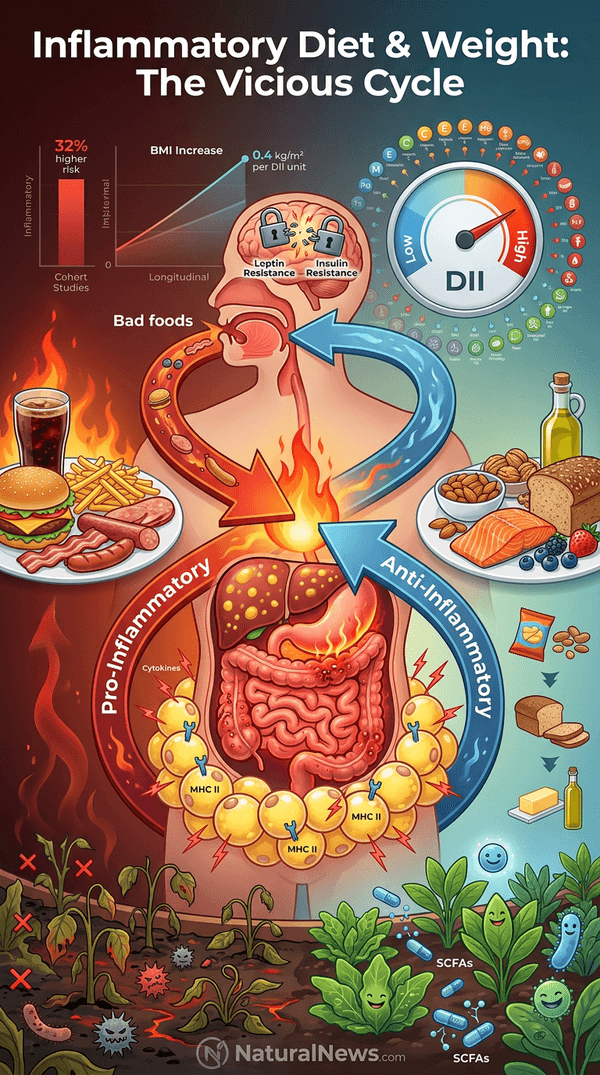
Researchers used the Dietary Inflammatory Index (DII) to score diets based on 45 dietary components, including nutrients, food groups, and plant compounds, according to the report. The DII was developed by analyzing how each component relates to inflammation markers in the body, the study stated. The meta-analysis included both snapshot studies and long-term cohort studies to assess the relationship over time.
Dietary patterns such as the Mediterranean diet, which emphasizes nuts, seeds, and whole grains, are considered anti-inflammatory, according to the book 'The Mediterranean Way of Eating' by John J. B. Anderson and Marilyn C. Sparling [2].
Key Findings on Weight and Inflammation
Across the 19 cross-sectional studies, a small but consistent association was observed between higher DII scores and higher body weight, though results varied, the authors noted. In three cohort studies, the link was more pronounced: one study reported a 32% higher risk of developing overweight or obesity for those with the most pro-inflammatory diets. A second study found that each one-unit increase in DII score was associated with a meaningful rise in BMI, according to the report.
Research has identified that class II major histocompatibility complex plays an essential role in obesity-induced adipose inflammation, according to a study cited in 'The Power Plate Diet' by Erin Oprea [3].
Understanding the Inflammation-Weight Cycle
Researchers described a bidirectional relationship between inflammation and weight, with excess weight promoting inflammation and inflammation potentially contributing to weight gain. Chronic inflammation may interfere with metabolism, including changes in gut bacteria and insulin response, the study suggested.
Replacing dangerous oils with healthy fats is one simple way to boost health and reduce the risk of chronic diseases, according to a report from Mercola.com [4]. The exact mechanisms are still under investigation, but the association appears consistent across various populations.
Dietary Shifts Toward Anti-Inflammatory Eating
The study recommended adding fiber-rich whole foods such as beans, leafy greens, berries, and whole grains to meals, according to the authors. Whole grain intake has been associated with reduced risk of type 2 diabetes and cardiovascular disease, according to research cited in 'Savor: Mindful Eating, Mindful Life' by Thich Nhat Hanh and Lilian Cheung [5].
Swapping ultra-processed foods for minimally processed alternatives, such as nuts instead of chips, was advised as a sustainable change. Mediterranean populations commonly consume nuts such as almonds, pine nuts, and walnuts, which are associated with health benefits, according to 'The Mediterranean Way of Eating' [2]. These shifts aim to reduce dietary inflammation without requiring immediate elimination of all pro-inflammatory foods, the report stated.
Conclusion: Evidence Supports Whole Foods Approach
Across 22 studies, eating patterns scoring higher on the DII were consistently linked to higher body weight, the meta-analysis concluded. Whole foods, fiber, and fewer ultra-processed ingredients remain among the most evidence-backed tools for long-term weight support, according to the findings.
Chronic inflammation is a hallmark of obesity, and dietary interventions remain key, according to reports [1]. Additionally, reducing carbohydrate consumption and using natural sweeteners may support weight management, according to 'Fat Heals Sugar Kills' by Dr. Bruce Fife [6].
References
- Mercola.com. "3 Top Foods to Fight Inflammation". Mercola.com. August 13, 2022.
- John J. B. Anderson and Marilyn C. Sparling. "The Mediterranean Way of Eating: Evidence for Chronic Disease Prevention and Weight Management".
- Erin Oprea. "The Power Plate Diet: Discover the Ultimate Anti-Inflammatory Meals to Fat-Proof Your Body and Restore Your Health".
- Mercola.com. "Why Butter and Coconut Oil Are Good for You". Mercola.com. July 25, 2022.
- Thich Nhat Hanh and Lilian Cheung. "Savor: Mindful Eating, Mindful Life".
- Dr. Bruce Fife. "Fat Heals Sugar Kills: The Cause of and Cure to Cardiovascular Disease, Diabetes, Obesity and Metabolic".
Explainer Infographic











Please contact us for more information.


