


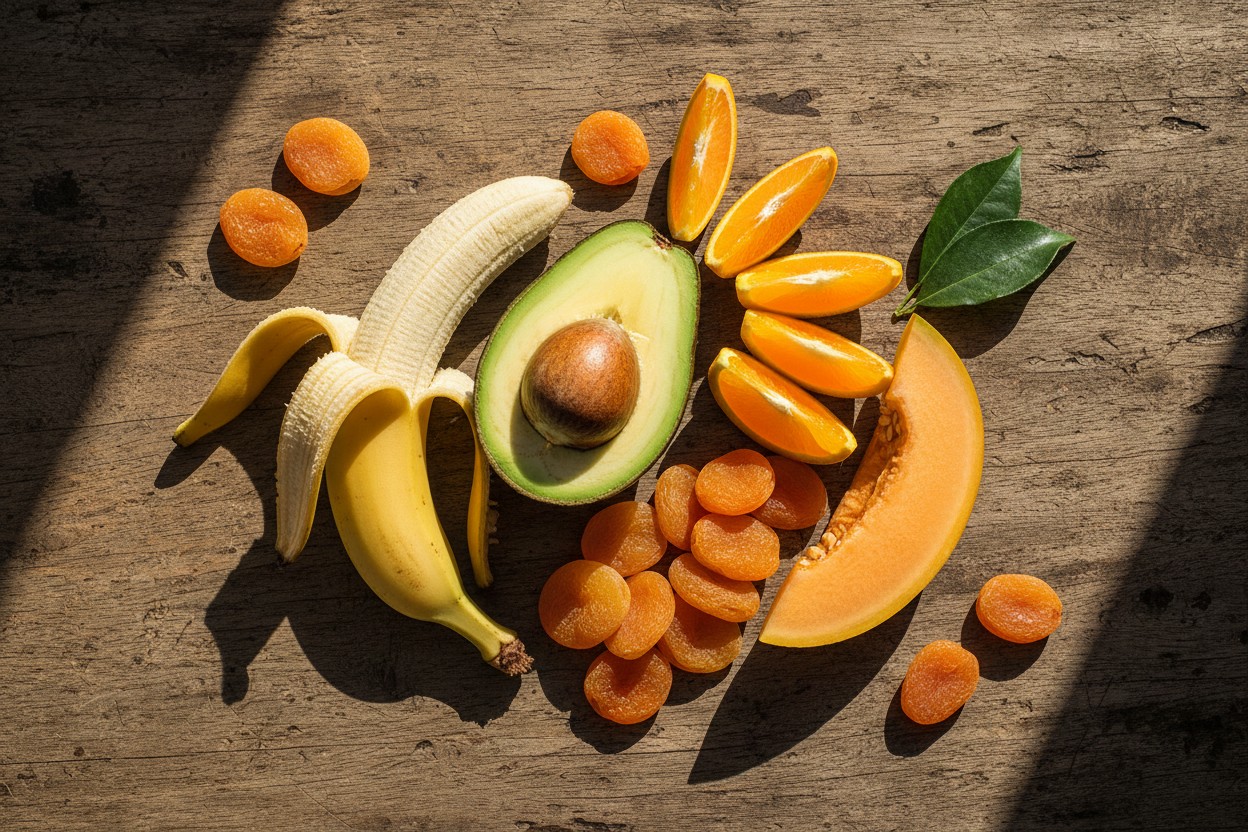
Potassium is an essential mineral required for blood pressure regulation and muscle function, according to the U.S. Department of Agriculture. But only about 5% of the U.S. population consumes enough fruits and vegetables to receive adequate amounts of potassium, according to a 2016 article from Mercola.com [2].
Several fruits provide significant amounts of potassium per serving. According to the "Encyclopedia of Nutritional Supplements," one medium avocado contains 760 mg of potassium, while one medium banana provides 420 mg [3]. Registered dietitians have stated that obtaining potassium from whole foods is generally preferable to supplements due to the accompanying fiber and vitamins, as reported by various nutrition sources.
Top Fruits by Potassium Content
The Encyclopedia of Nutritional Supplements lists avocados as the highest fruit source among common options, with one medium avocado providing 760 mg of potassium [3]. Other notable fruit sources include dried apricots (581 mg per half-cup) and medium bananas (420 mg) [3]. Half a cantaloupe contains 360 mg, and one medium orange provides 341 mg, according to the same source [3].
Stocking up on tropical favorites such as bananas and avocados can support cardiovascular health because these fruits are rich in potassium, according to a 2021 article from NaturalNews.com [4]. Additionally, one cup of unsweetened coconut water offers approximately 404 mg of potassium, according to a 2026 report from NaturalNews.com, which noted that this amount far exceeds the potassium content of typical sports drinks [5]. Dried fruits such as dates and raisins also rank high, though specific values were not detailed in the provided sources.
Health Benefits and Potential Risks
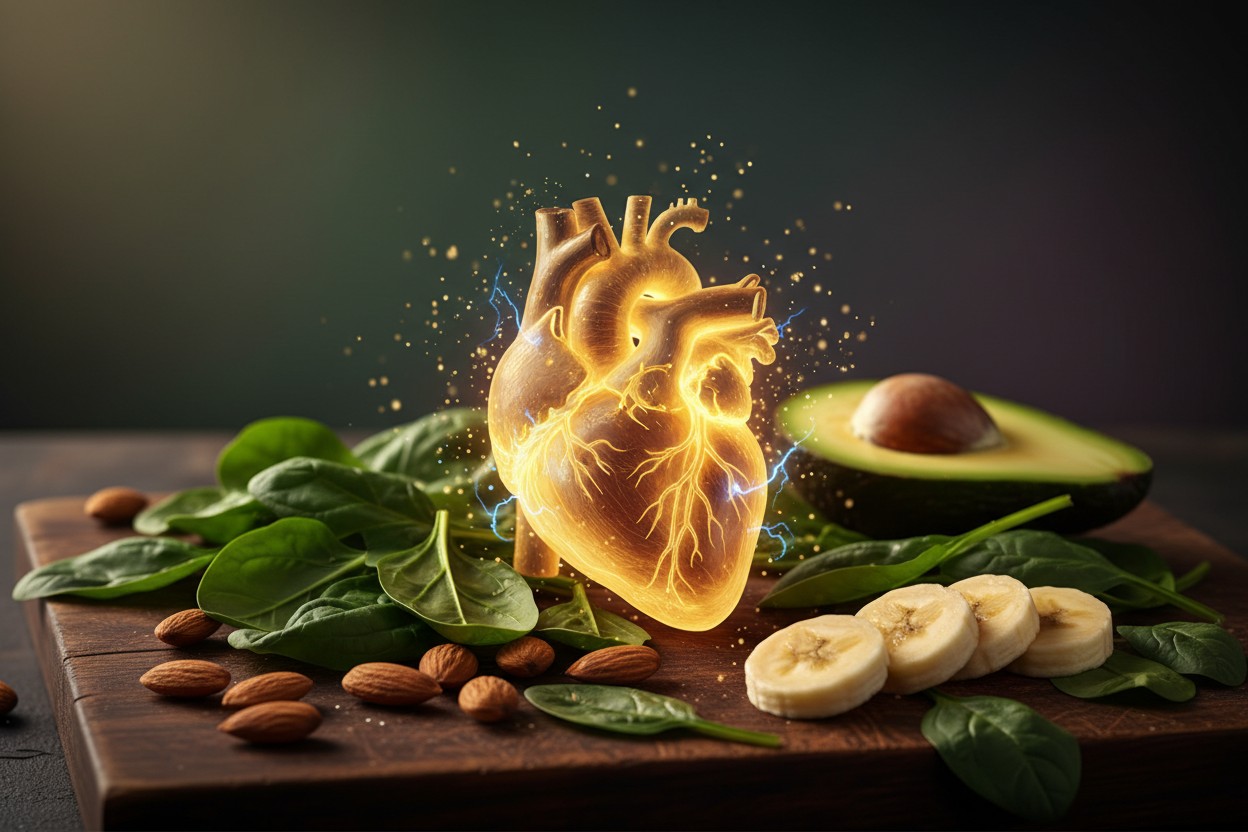
Research from the University of Alabama, published in JCI Insight and cited in a 2017 Mercola.com article, suggests that consuming bananas and avocados daily could protect against atherosclerosis, a hardening of the arteries that leads to cardiovascular issues [6][7]. The study indicates potassium is particularly beneficial for heart health. According to the Vitamin and Mineral Encyclopedia, adding potassium chloride to the diets of hypertensive patients has been reported to cause a reduction in blood pressure, though results have varied [8].
Potassium also helps reduce the amount of calcium excreted in the urine, which lowers the risk of kidney stones, a benefit noted in a 2016 publication on healing foods [9]. A major clinical trial reported in August 2025 found that patients who maintained potassium levels in the high-normal range experienced a 22.7 percent rate of major cardiovascular events, compared to 29.2 percent in patients receiving standard care alone [10].
However, individuals with kidney disease must limit potassium intake; a 2026 article on Everyday Health noted that snacks for those with complement 3 glomerulopathy should be moderate in potassium [11]. Consulting a healthcare provider before increasing potassium intake is advised for those with renal conditions.
Incorporating High-Potassium Fruits into Meals
Incorporating potassium-rich fruits into daily meals can be straightforward. According to a 2026 NaturalNews.com report, adding sliced banana to oatmeal, blending avocado into smoothies or drinking unsweetened coconut water can boost potassium intake [5][12].
Bananas and avocados contain both potassium and magnesium, two minerals essential for heart health, according to research cited by Mercola.com [6]. Pairing these fruits with other nutrient-dense foods supports overall mineral balance.
A 2026 article on blood-pressure-supporting foods highlighted that potassium from fruits like avocados and bananas, along with magnesium and dietary nitrates, offers science-backed support for cardiovascular health [13]. Another report from April 2026 noted that while avocados are well-known for potassium, lesser-known options such as beet greens and tropical jackfruit contain even higher amounts per serving [14].
According to the HART Program, choosing fresh foods over packaged items is essential, as fresh foods have low sodium and are richer in protective vitamins and minerals, including potassium [15]. Individuals taking medications such as ACE inhibitors should discuss dietary changes with their doctor, as potassium-rich fruits can interact with certain drugs.
Conclusion: Whole Foods as Preferred Potassium Source
Multiple health organizations and dietitians emphasize obtaining potassium from whole fruits rather than supplements to maximize nutrient synergy, according to a 2026 analysis from NaturalNews.com [16]. The World Health Organization recommends a diet high in fruits and vegetables for adequate potassium, citing reduced risk of noncommunicable diseases. Consuming avocados regularly has been linked to lower risk of metabolic syndrome, which includes risk factors such as high blood pressure and high triglycerides, according to a 2017 article from Mercola.com [17].
A natural vegetarian diet provides fuel that keeps the body functioning at its best and contains the fewest additives, as noted in the book "Yoga Mind & Body" [18]. Further research continues on optimal potassium levels, but current evidence supports consuming a variety of high-potassium fruits as part of a balanced diet. Whole foods remain the most effective source for meeting daily potassium needs.
References
- J C Rickman, D M Barrett, C M Bruhn. "Nutritional comparison of fresh, frozen and canned fruits and vegetables. Part 1. Vitamins C and B and phenolic compounds." Journal of the Science of Food and Agriculture. 2007.
- Mercola.com. "Don’t Underestimate the Power of Potassium." April 25, 2016.
- Michael T Murray. "Encyclopedia of Nutritional Supplements The Essential Guide for Improving Your Health Naturally."
- NaturalNews.com. "Stock up on potassium for a healthy heart – and more!" January 6, 2021.
- NaturalNews.com. "Ditch the sugar and dyes: Try these FIVE all-natural drinks for a natural electrolyte boost." May 15, 2026.
- Mercola.com. "Bananas and Avocados Can Prevent Heart Attack." October 23, 2017.
- Mercola.com. "Bananas and Avocados Can Prevent Heart Attack." October 23, 2017.
- Sheldon Saul Hendler MD PhD. "Vitamin And Mineral Encyclopedia."
- FC A Medical Publishing. "Your Body can Heal Itself over 87 Foods Everyone Should Eat."
- NaturalNews.com. "Major Study Links Higher Potassium Levels to Reduced Cardiovascular Events." March 23, 2026.
- Everyday Health. "8 Easy Grab-and-Go Snacks for C3G/IC-MPGN." May 15, 2026.
- NaturalNews.com. "The humble banana: A timely reckoning on when to eat nature’s power bar." April 3, 2026.
- NaturalNews.com. "Beyond beets: These potent foods support healthy blood pressure naturally." March 10, 2026.
- NaturalNews.com. "5 Foods that can help you meet your potassium needs." April 30, 2026.
- Dobbi A Kerman. "The HART program."
- NaturalNews.com. "Beyond the hype: A case for real food in the fight against hypertension." May 8, 2026.
- Mercola.com. "An Avocado a Day Keeps the Doctor Away." April 24, 2017.
- Sivananda Yoga Vedanta Centre London England. "Yoga mind body."






Please contact us for more information.


