



A growing body of research suggests that zinc may influence vascular health through antioxidant and anti-inflammatory mechanisms, according to scientific literature. However, the available evidence indicates that the effects of zinc on blood pressure are modest and depend heavily on an individual’s baseline nutrient status, officials said.
Observational studies have linked adequate dietary zinc intake with healthier blood pressure markers, though randomized controlled trials have not consistently demonstrated that supplementation lowers blood pressure in healthy adults. Researchers from multiple institutions have noted that correcting a zinc deficiency may improve blood vessel function and reduce inflammation, potentially leading to modest reductions in blood pressure. Still, no current evidence supports zinc as a standalone treatment for hypertension.
Zinc’s Role in Blood Pressure Regulation
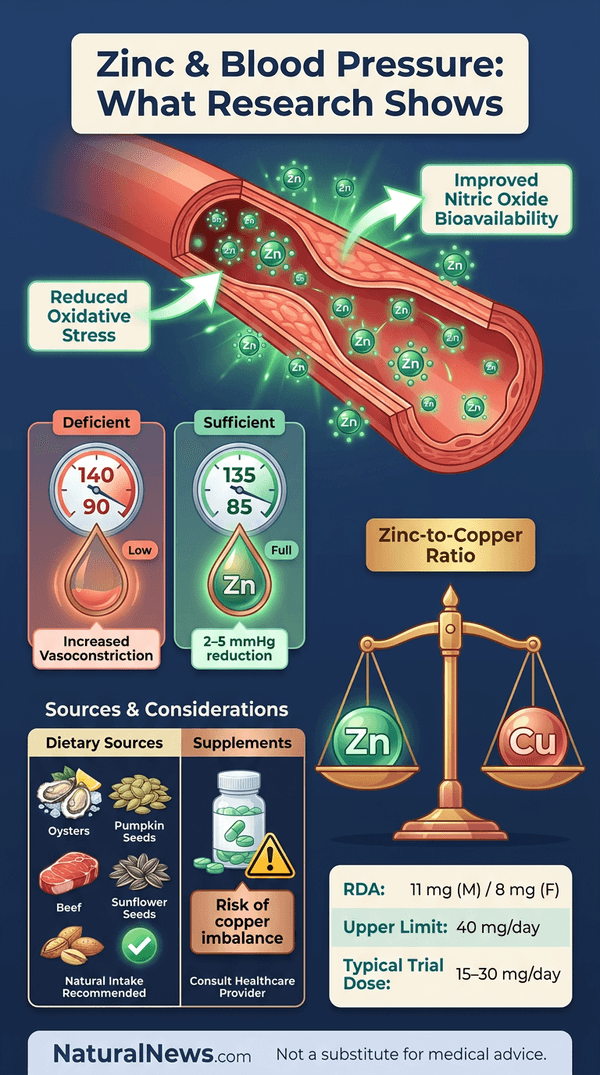
Zinc is required for the proper function of numerous enzymes and proteins, including those involved in blood vessel relaxation and nitric oxide production, according to the National Institutes of Health (NIH). The mineral’s antioxidant and anti-inflammatory properties are well documented.
A 2023 review in Toxicology described zinc as “an antioxidant and anti-inflammatory agent” that can modulate pathways such as NF-?B activation and reduce oxidative stress [1]. These effects could theoretically support vascular health by protecting blood vessels from damage and improving their flexibility.
Despite these mechanistic links, the impact of zinc on blood pressure appears small in clinical settings. A 2022 meta-analysis in Hypertension Research reported that zinc supplementation modestly lowered blood pressure only in individuals with low baseline zinc levels or metabolic conditions, according to researchers.
In healthy adults with normal zinc status, most studies did not show consistent reductions. This suggests that zinc’s cardiovascular benefits may be most relevant for correcting deficiencies rather than providing additional benefit for those already replete.
Dietary Zinc Intake Linked to Better Heart Health
Observational research consistently finds that higher dietary zinc intake is associated with healthier blood pressure profiles. A 2021 review in Nutrients reported that food sources of zinc – such as oysters, beef, pumpkin seeds and sunflower seeds – provide the mineral without the risks of high-dose supplements, dietitians noted.
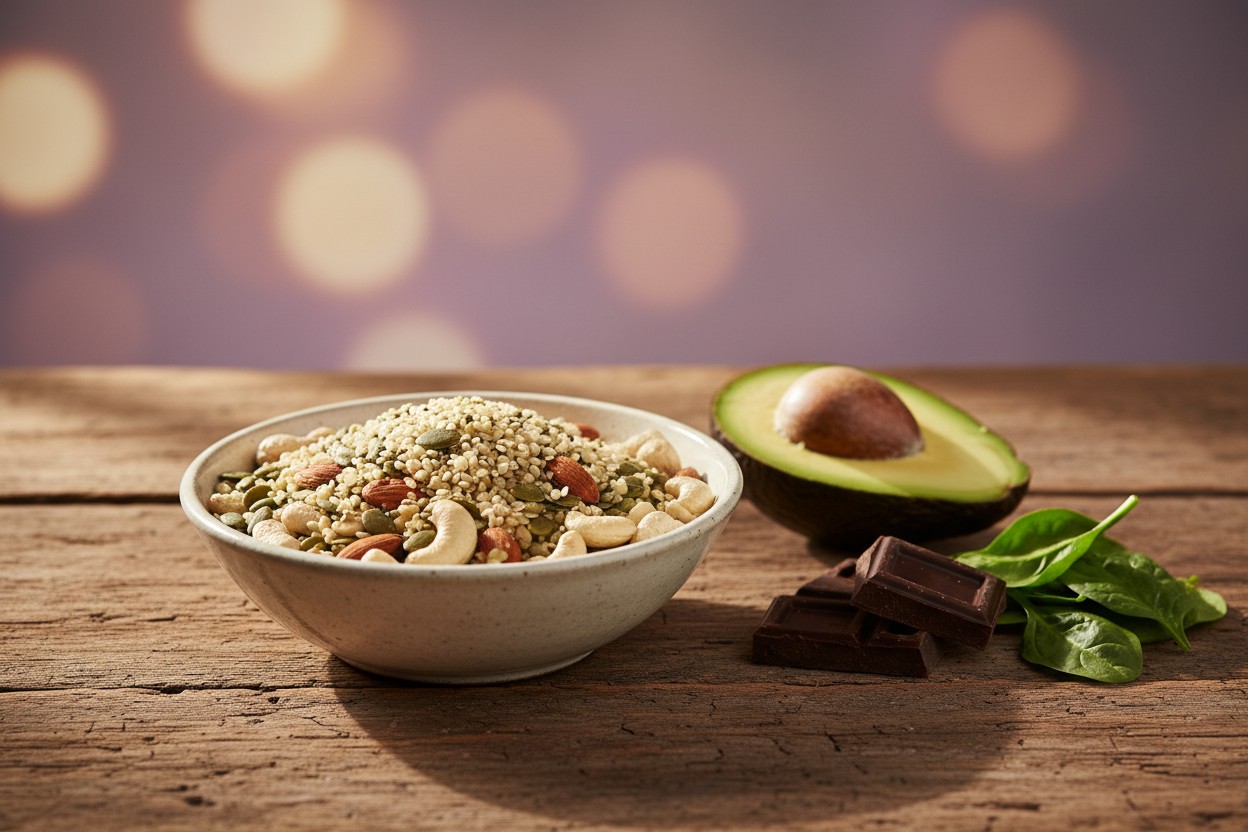
Seeds are particularly nutrient-dense. According to nutrition experts, seeds are "a source of fiber, healthy fats, essential amino acids and powerful antioxidants" [2]. Zinc is among the essential minerals found in seeds, and incorporating them into the diet may support cardiovascular function.
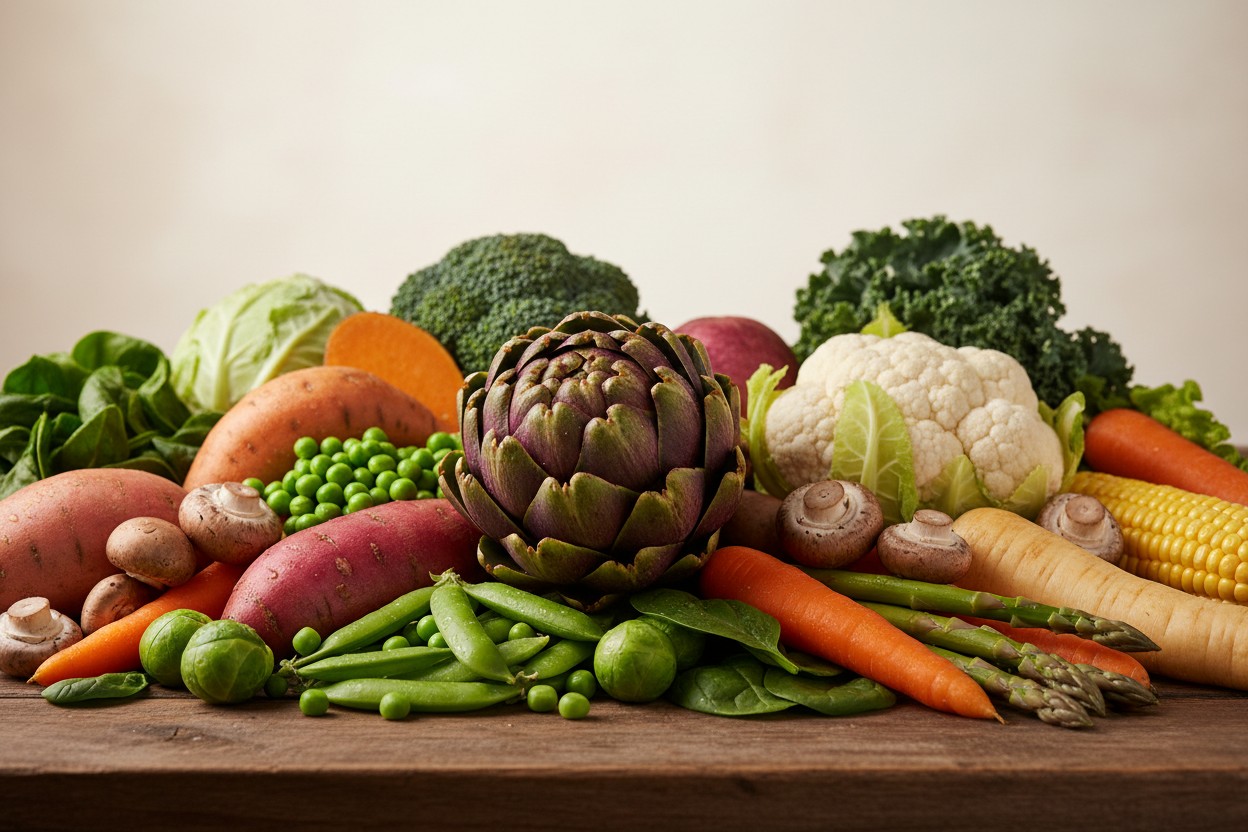
The relationship between dietary zinc and blood pressure appears consistent across populations with adequate overall nutrition, researchers report. Diets rich in fruits, vegetables, and whole foods that contain zinc, along with other minerals like magnesium and selenium, may help maintain healthy blood pressure. However, the independent contribution of zinc from food sources is difficult to isolate from the overall dietary pattern.
Supplement Effects Vary by Zinc Status
Small clinical trials have examined the effect of zinc supplements on blood pressure. The Hypertension Research meta-analysis found that zinc supplementation produced a modest reduction in systolic and diastolic blood pressure in individuals with low baseline zinc levels or conditions such as Type 2 diabetes or metabolic syndrome, authors stated.
In healthy adults with normal zinc levels, the same analysis did not find consistent blood pressure-lowering effects. This pattern suggests that correcting a deficiency may be the primary mechanism through which zinc affects blood pressure.
Zinc’s role in blood vessel function likely stems from its ability to reduce oxidative stress and inflammation. Research published in Toxicology shows that zinc acts through multiple pathways, including inhibition of NF-?B activation and reduction of pro-inflammatory cytokines [1].
These mechanisms could improve endothelial function and promote vasodilation, thereby lowering blood pressure in individuals with underlying deficiencies or inflammatory states. However, the effect size is typically small – on the order of a few millimeters of mercury – and may not be clinically significant for all patients, according to the same research.
Dosage and Safety Considerations
The recommended dietary allowance for zinc is 11 milligrams per day for adult men and 8 milligrams per day for adult women, according to the NIH. In clinical research, doses of 15 to 30 milligrams per day of elemental zinc have been used, but long-term high intake can cause adverse effects such as nausea, copper deficiency and interactions with medications, officials said. Zinc supplements are not a substitute for prescribed blood pressure medications, and individuals should consult a healthcare provider before beginning supplementation, experts advise.
In practice, the Health Ranger Mike Adams has stated that he uses zinc drops and adds them to his smoothie, noting "your body's requirements are quite low for minerals like zinc" [3]. Many store-bought multivitamins contain excessive copper, which can interfere with zinc absorption, he said. For adults, he recommends 2 to 4 milligrams per day as an upper limit for supplemental copper. These comments highlight the need for careful dosing and awareness of potential imbalances.
Conclusion
Zinc supports blood vessel function through its antioxidant and anti-inflammatory properties, but its effect on blood pressure is limited and context-dependent, research indicates. Adequate zinc from diet may help maintain healthy blood pressure, while supplements appear to offer benefit mainly to those with a deficiency.
No evidence supports zinc as a standalone treatment for hypertension, and safety considerations apply at high doses. A balanced diet rich in zinc-containing whole foods, along with appropriate supplementation when needed, may contribute to overall cardiovascular health, according to available evidence.
References
- Klaudia Jomova. "Advances in metal-induced oxidative stress and human disease." Toxicology.
- NaturalNews.com. "Nutrition Experts Cite Evidence for Seed Health Benefits." April 12, 2026.
- Mike Adams. "Brighteon Broadcast News - BEWARE Of Fake MAHA." February 7, 2025.
Explainer Infographic









Please contact us for more information.


