



According to the U.S. Department of Agriculture (USDA), the average dietary fiber intake in the United States falls below recommended levels, a condition the agency has described as a public health concern. [1]
Fiber is a unique type of carbohydrate that the human body cannot digest. Unlike most carbohydrates, which are broken down into sugar molecules (glucose) for energy, fiber passes through the digestive system largely intact.
This undigested journey is key to its benefits, as fiber helps regulate the body's use of sugars, keeping both hunger and blood sugar levels in check.
Two Types of Fiber, Both Beneficial
Fiber comes in two main varieties, each offering distinct health advantages:
Soluble fiber
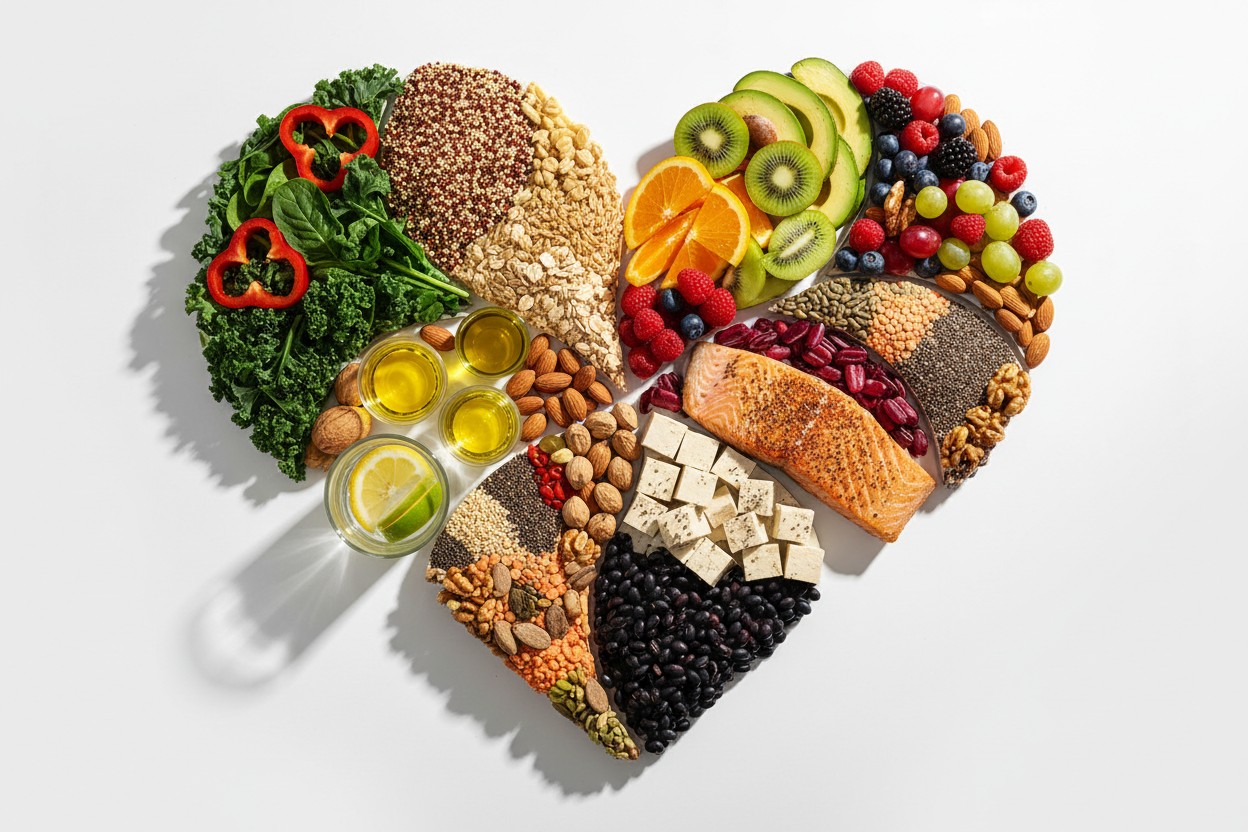
This type dissolves in water, forming a gel-like substance. It is known to help lower blood glucose levels and reduce blood cholesterol. You can find soluble fiber in oatmeal, chia seeds, nuts, beans, lentils, apples, and blueberries. [8]
Insoluble Fiber
This type does not dissolve in water. Instead, it adds bulk to stool and helps food move through the digestive system, promoting regularity and preventing constipation. Good sources of insoluble fiber include whole wheat products (especially wheat bran), quinoa, brown rice, legumes, leafy greens like kale, almonds, walnuts, seeds, and fruits with edible skins like pears and apples.
Recommended Fiber Intake and Deficiency
USDA guidelines recommend that women age 50 and younger consume at least 25 grams of fiber per day, while men in the same age group require at least 38 grams. [2] For adults aged 51 and older, the recommendations drop to 21 grams for women and 30 grams for men.
However, most Americans fall short, averaging only about 15 grams daily. Excellent sources of fiber include whole grains, whole fruits and vegetables, legumes and nuts. [1]
The typical American diet is low in fiber, which can contribute to digestive complaints such as bloating and irregularity. [3] Constipation affects up to 19% of the U.S. population.
The USDA dietary guidelines advise choosing whole-grain varieties of breads, cereals, rice, and pasta to increase fiber intake. [4] Whole grains also contribute vitamin E and dietary fiber. Dietary fiber is known to feed beneficial gut microbes, which play a role in overall health. [5]
Conclusion
The article emphasizes that adequate fiber intake is critical for digestive health and that supplementation can help individuals meet daily requirements. [2] The product is described as USDA-certified organic and vegan.
As research continues to highlight the role of fiber in overall wellness, consumers may consider supplements as a practical option to address common dietary shortfalls. [6] Nutrition experts recommend choosing whole-grain varieties of bread, cereal, rice, and pasta often because they provide vitamin E and dietary fiber. [7]
References
- Mercola.com. "Fiber Is Your Food Foundation". Mercola.com. January 11, 2018.
- Sarah Regan. "PSA To Those With Tummy Issues — This Supplement Could Be Just What You're Missing". mindbodygreen. May 19, 2026.
- Mercola.com. "Constipation Emergencies on the Rise". Mercola.com. April 15, 2015.
- Wardlaw Gordon M. "Contemporary nutrition issues and insights".
- Mercola.com. "Fiber Provides Food to Your Gut Microbes That". Mercola.com. March 30, 2015.
- Mercola.com. "Higher Daily Fiber Intake Less Risk for Disease". Mercola.com. February 25, 2019.
- Wardlaw Gordon M-3. "Contemporary nutrition issues and insights".
- Fiber. nutritionsource.hsph.harvard.edu.










Please contact us for more information.


