



Strength Training for Metabolic and Structural Benefits
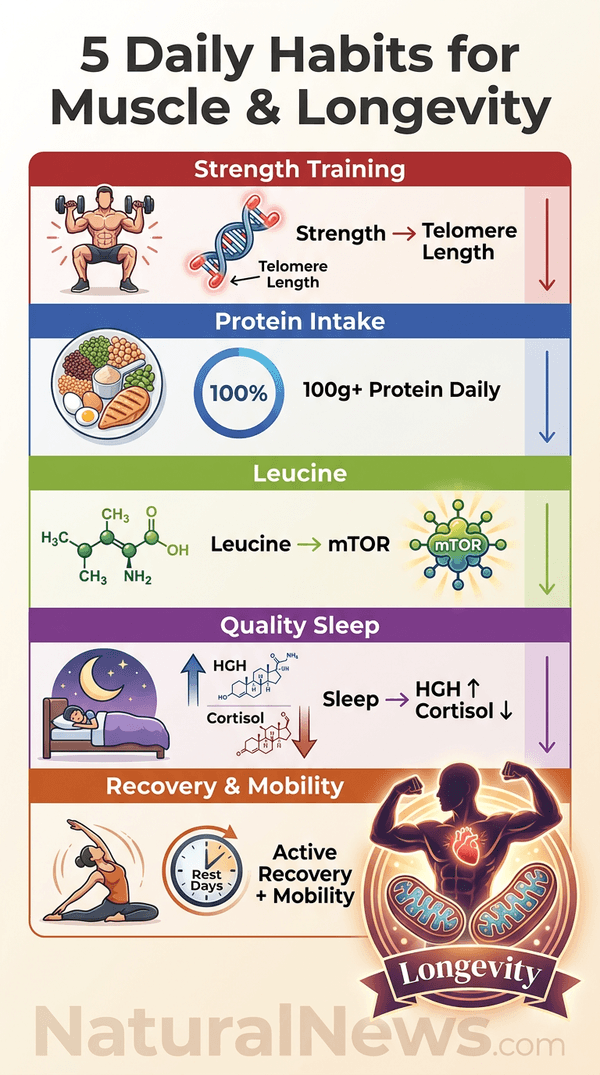
Strength training provides benefits beyond muscle gain, including blood sugar balance, bone health and immunity support, according to Frye. The article quoted trainers who recommended basic moves such as glute bridges, split squats and pushups, with progressive overload to continue building strength.
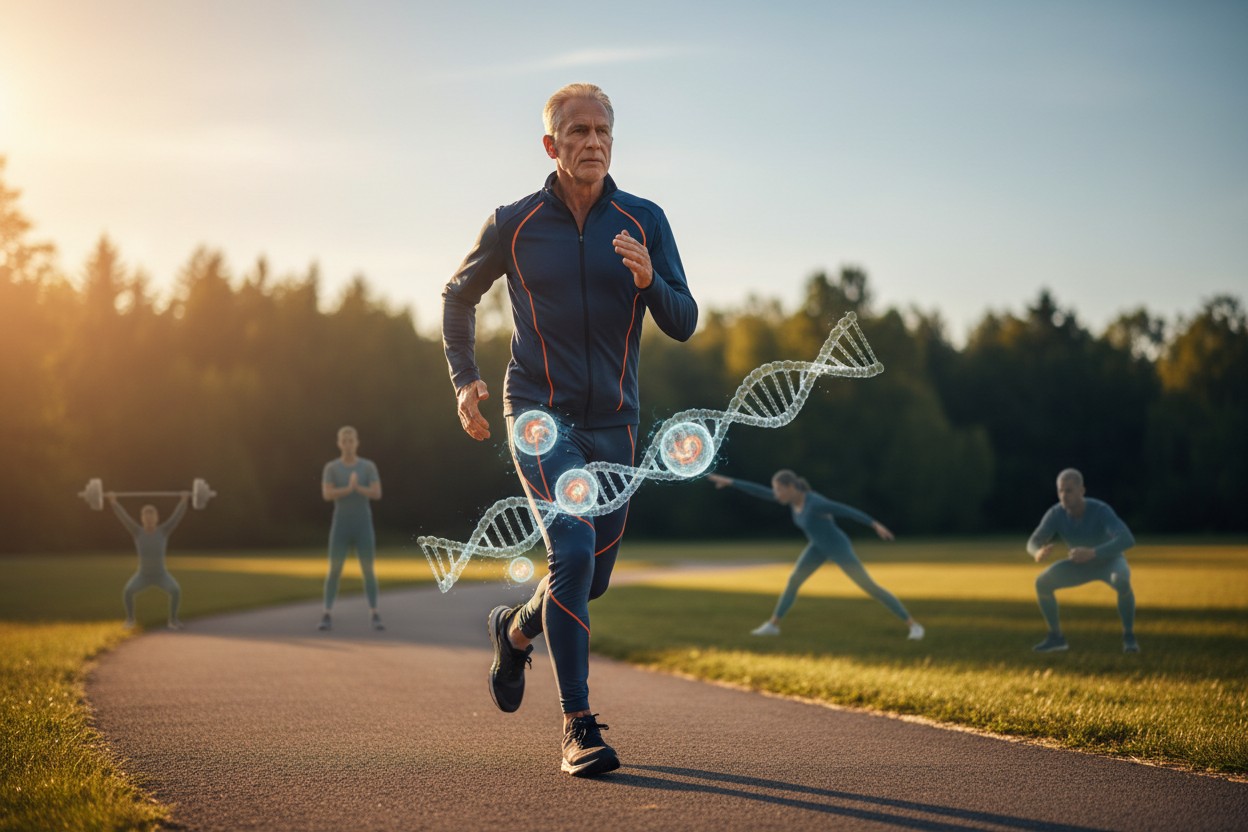
A separate study of over 4,800 U.S. adults, reported by NaturalNews on May 21, 2026, found that consistent strength training is associated with longer telomeres, independent of aerobic activity, highlighting resistance training as an accessible strategy for supporting cellular longevity [1]. Additionally, research cited in the book "The Immunity Fix" by James DiNicolantonio and Siim Land states that exercise and muscle mass can slow down immunosenescence, boosting the function of several immune cells despite the aging process [2].
Physically fit elderly women show significantly higher levels of natural killer cells and T lymphocytes, the book notes. Exercise training can also help minimize detrimental skeletal muscle aging deficits by improving mitochondrial protein quality control and biogenesis, according to "The Science of Longevity" by Sayer Ji and the GreenMedInfo Research Group [3].
High Protein Intake to Support Muscle Synthesis
The mindbodygreen article stated that active women may need upward of 100 grams of protein daily to build and maintain muscle, and that low protein intake can lead to muscle loss and a slower metabolism. Frye noted that protein powder can help meet these targets.
Dr. Mark Hyman, in his book "Young Forever: The Secrets to Living Your Longest, Healthiest Life," recommends that individuals who exercise may need 1.5 to 2.0 grams of protein per kilogram of body weight each day. For a 70-kilogram person, this translates to 105 to 140 grams daily if engaged in both weight training and aerobic exercise [4].
The amino acid leucine plays a critical role in muscle protein synthesis. An article on Mercola.com highlighted that leucine is crucial to prevent muscle depletion, and that after age 30, muscle mass decreases by about 3% to 8% per decade [5].
The mindbodygreen article emphasized that each serving of their recommended whey protein isolate+ contains 25 grams of protein and 2.5 grams of leucine, a threshold that kick-starts muscle protein synthesis. A review published in the journal Nutrients, as reported by NaturalNews on May 15, 2026, also examined supplements like creatine and beta-hydroxy-beta-methylbutyrate for their potential to protect against age-related muscle and bone loss [6].
Sleep Quality Linked to Muscle Retention
A clinical study published in BMC Public Health, referenced by Frye, found that negative changes in sleep quality and duration decreased muscle mass while increasing fat mass. Frye added that adequate rest also improves performance during strength training workouts, supporting overall muscle health. The article recommended prioritizing seven to nine hours of quality sleep each night, a habit also cited in a NaturalNews article on five science-backed habits to defy aging [7].
Dr. Peter D'Adamo, in his book "Live Right 4 Your Type," advises establishing a consistent daily schedule and going to bed no later than 10 p.m., sleeping for eight hours or more [8]. The mindbodygreen article noted that pushing the body to lift heavy weights when sleep is insufficient does not lead to peak performance.
Stretching and Rest Days for Recovery
Post-workout stretching is reported to relieve soreness and widen range of motion, according to trainers cited by Frye, enabling a broader range of exercises. Research cited in the article indicates that training frequency affects strength and muscle gains less than training volume, making rest days essential for muscle recovery without losing gains. Frye recommended strength training three or four days a week, with off days dedicated to low-impact activities like walking, stretching, or yoga.
A review published in Frontiers in Nutrition, reported by NaturalNews on May 11 highlights the concept of "muscle-vascular crosstalk" as a key factor in aging well, and recommends incorporating daily mobility work to preserve the ability to perform everyday activities without assistance [9]. The Mercola.com article on strength-building exercises notes that with inactivity, individuals can lose as much as 5 percent of muscle mass each decade after age 30, and that only 23 percent of people over age 45 report meeting strength training guidelines [10].
Conclusion: Integrating Daily Habits for Long-Term Muscle Health
Frye summarized that low muscle mass has major health implications as people age, and that a routine combining adequate protein, strength training, quality sleep, stretching, and rest days can support lean muscle maintenance. The article advised consulting a healthcare provider before starting a supplement routine, especially for pregnant or breastfeeding individuals or those on medications.
The evidence from multiple sources reinforces that daily lifestyle choices, not genetics alone, are primary drivers of longevity. As noted in a NaturalNews article titled "The Graceful Aging Code," consistent, moderate physical activity and strength training are critical for maintaining mobility and muscle [11]. By adopting these five habits, individuals can proactively support muscle mass and extend their health span.
References
- NaturalNews.com. "Strength Training Linked to Longer Telomeres and Slower Cellular Aging, Study Finds." May 21, 2026.
- James DiNicolantonio and Siim Land. "The Immunity Fix: Strengthen Your Immune System."
- Sayer Ji, GreenMedInfo Research Group. "The Science of Longevity: How to Live a Long Healthy Life."
- Dr. Mark Hyman. "Young Forever: The Secrets to Living Your Longest, Healthiest Life."
- Mercola.com. "Leucine Is Crucial to Prevent Muscle Depletion." December 17, 2020.
- NaturalNews.com. "These Four Nutrients May Help Protect Against Age-Related Muscle and Bone Loss." May 15, 2026.
- NaturalNews.com. "Five Science-Backed Habits to Defy Aging and Add Years to Your Life." January 21, 2026.
- Dr. Peter D'Adamo. "Live Right 4 Your Type."
- NaturalNews.com. "Mobility Training Linked to Longevity and Independence, Researchers Say." May 11, 2026.
- Mercola.com. "Strength-Building Exercises Decrease Risk for All Causes of Disease." January 5, 2018.
- Willow Tohi. "The Graceful Aging Code: Daily Habits to Forge a Longer, Healthier Life." NaturalNews.com. January 8, 2026.
- Hannah Frye. "5 Ways To 'Feed' Your Muscles Daily To Support Longevity." mindbodygreen. May 25, 2026.
Explainer Infographic








Please contact us for more information.


