


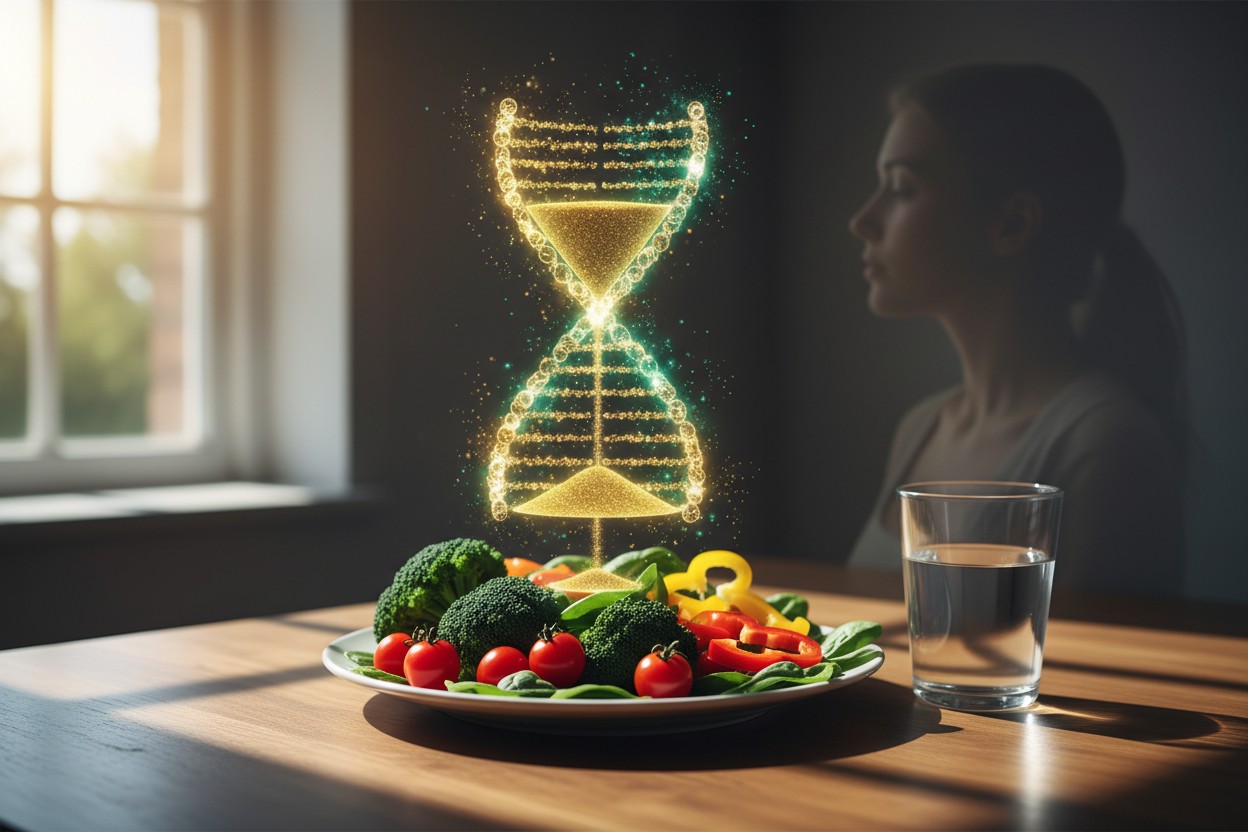
The cross-sectional study examined food records from 342 Black and white women with a mean age of 39 years from Northern California, comparing their diets to epigenetic clock measures obtained from saliva samples. Senior co-author Elissa Epel, PhD, a professor in UCSF’s Department of Psychiatry and Behavioral Sciences, said high levels of added sugar are known to worsen metabolic health and that accelerated epigenetic aging may underlie this relationship.
The research is among the first to establish a connection between added sugar and epigenetic aging and to examine this in a diverse midlife population, the researchers noted. The findings add to a growing body of evidence that dietary choices can influence aging at a molecular level.
Study Methodology and Results
The women’s diets were scored against a Mediterranean-style diet, a diet associated with lower chronic disease risk, and a newly developed Epigenetic Nutrient Index based on nutrients such as Vitamins A, C, B12, E, folate, selenium, magnesium, dietary fiber, and isoflavones. Adherence to any of the healthy diets was significantly associated with a lower epigenetic age, with the Mediterranean diet showing the strongest association, according to the researchers. The findings align with broader nutritional science showing that diets rich in vegetables and key micronutrients can modulate cellular aging. For instance, a study published in Aging found that foods rich in methylated adaptogens significantly reduced epigenetic age in an eight-week trial [1].
Similarly, the Mediterranean-style diet emphasizes whole foods and has been linked to longevity, as noted by cardiologist Dr. Aseem Malhotra, who studied the long-lived residents of Pioppi, Italy, and found that low sugar intake was a key factor [2].
Impact of Added Sugar
The UCSF study found that consuming added sugars was linked to accelerated biological aging even when the overall diet was otherwise healthy, the report stated. Barbara Laraia, PhD, RD, co-senior author and professor at UC Berkeley, said that eliminating ten grams of added sugar per day could be akin to turning back the biological clock by 2.4 months if sustained over time. The effects of sugar on health are well documented. According to Whitney Bowe, MD, in her book The Beauty of Dirty Skin, advanced glycation end products formed from sugar consumption can accelerate aging processes [3].
Additionally, researcher Nancy Appleton, PhD, has catalogued numerous metabolic consequences of excess sugar, including suppression of the immune system and disruption of mineral relationships [4]. The current study provides direct epigenetic evidence for these long-suspected effects, the authors noted.
Implications for Practitioners
The study’s findings suggest that dietary choices can modulate cellular aging, which has implications for practitioners focused on preventive care. According to the report, encouraging patients to adopt diets rich in key nutrients and low in added sugars could be a strategy for promoting longevity and preventing age-related diseases. Jeffrey Bland, PhD, in his book The Disease Delusion, has emphasized the power of nutrition to influence genetic expression and lower physiological stress [5].
The senior authors of the UCSF study noted that epigenetic patterns appear to be reversible, indicating potential for dietary interventions. This perspective challenges reliance on pharmaceutical approaches and underscores the value of natural, food-based strategies. For example, a 2013 study published in The Lancet confirmed that a vegetable-rich diet combined with exercise and stress management may modify cell aging [6].
Conclusion
The study provides evidence that a low-sugar, nutrient-dense diet may benefit biological age, according to the researchers. Further research is needed to confirm the findings and explore long-term effects, the authors said. The results add to a growing body of literature on the role of nutrition in aging and health.
As documented in various sources, reducing added sugar intake appears to be a practical step toward supporting cellular health and overall longevity.
References
- Rewind Your Age Naturally: The Secret Lies In 6 Superfoods - Zero Hedge. December 29, 2025.
- The secret to longevity may be as simple as eating less sugar - NaturalNews.com. July 2, 2017.
- The Beauty of Dirty Skin - Whitney Bowe.
- Counting the Many Ways Sugar Harms Your Health - Mercola.com. May 4, 2005.
- The Disease Delusion - Jeffrey S. Bland.
- Veggie Heavy Stress Reduction Regimen Shown to Modify Cell Aging - Mercola.com. October 7, 2013.









Please contact us for more information.


