


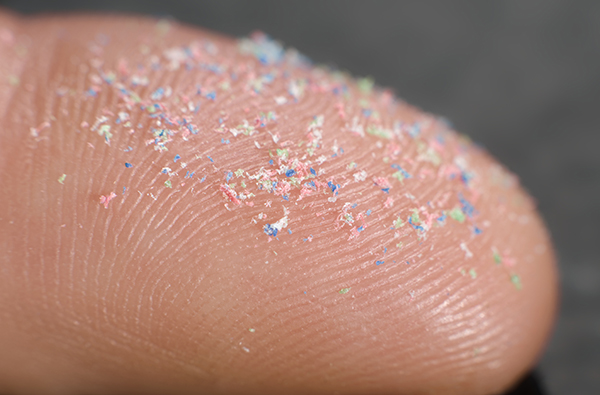
- Microplastics were found in 90% of prostate tumor samples, with cancerous tissue containing 2.5 times more plastic than healthy tissue.
- This is the first Western study to directly measure plastic particles inside prostate tumors and compare them to benign tissue.
- Researchers suspect microplastics trigger chronic inflammation that may cause genetic changes and lead to cancer.
- Plastic enters the body through food packaging, bottled water, and synthetic clothing, especially when heated or worn.
- Switching to glass or stainless steel containers and eating cruciferous vegetables may help reduce exposure and support detoxification.
The tiny plastic particles that have invaded nearly every corner of modern life have now been found deep inside prostate cancer tumors, and at concentrations that demand attention. A 2026 study from NYU Langone Health presented at the American Society of Clinical Oncology's Genitourinary Cancers Symposium detected plastic particles in 90% of prostate tumor samples, with cancerous tissue containing roughly 2.5 times more plastic than nearby healthy tissue.
The findings raise a question that most men have never been asked by their doctors: Could something as ordinary as plastic food packaging, bottled water, or synthetic clothing be driving the most common cancer among American men?
What the study actually found
Researchers analyzed prostate tissue from 10 men who had undergone surgery to remove the entire organ. They identified plastic particles in 90% of tumor samples and 70% of benign tissue samples. The cancerous tissue contained approximately 40 micrograms of plastic per gram of tumor compared with 16 micrograms per gram in healthy tissue.
This is the first Western study to directly measure plastic particles inside prostate tumor tissue and compare concentrations between cancerous and healthy tissue from the same patients, according to lead researcher Dr. Stacy Loeb of NYU Grossman School of Medicine.
How researchers confirmed their results
The NYU team employed two independent techniques to verify the results. The first combined visual inspection with Raman microscopy to identify and measure individual plastic particles. The second, pyrolysis-gas chromatography/mass spectrometry, determined the total mass of plastic present and identified which polymer types appeared in the samples. Both methods independently arrived at the same conclusion.
To avoid contaminating samples with the plastic common in medical equipment, researchers substituted aluminum, cotton, and other nonplastic tools. They handled samples in controlled clean rooms designed specifically for microplastic analysis.
The inflammation connection
"Our pilot study provides important evidence that microplastic exposure may be a risk factor for prostate cancer," Loeb said.
Sustained inflammation in prostate tissue, the researchers suggest, may gradually erode cell health and create the conditions for cancerous genetic mutations to develop. This mechanism mirrors what scientists have observed in other tissues where plastic particles accumulate.
Study senior author Dr. Vittorio Albergamo of NYU Grossman School of Medicine noted that earlier research had linked microplastics to heart disease and dementia, but direct evidence connecting them to prostate cancer had been lacking until now.
Not the first warning
A 2024 study in The New England Journal of Medicine found that patients with microplastics in their arterial plaque were 4.5 times more likely to experience a serious cardiovascular event. Taken together, the evidence increasingly points to plastic accumulation in the body as a slow-building, system-wide health risk whose effects may not surface clinically for years.
Prostate cancer affects one in eight men in the United States, according to the Centers for Disease Control and Prevention. Routine prostate cancer screening was not designed with environmental plastic exposure in mind, and the medical field has yet to develop clinical guidelines around reducing microplastic intake as a way to lower cancer risk.
How plastic gets inside the body
When plastics from packaging, cookware, cosmetics, and countless other products are exposed to heat, physical wear, or chemical processes, they shed microscopic fragments invisible to the naked eye. These particles make their way into the body primarily through what people eat and drink, the air they inhale, and absorption through the skin. Among the most significant exposure sources are foods cooked or stored in plastic containers, drinking water whether from the tap or the bottle, and seafood caught in waters contaminated with plastic waste.
"By uncovering yet another potential health concern posed by plastic, our findings highlight the need for stricter regulatory measures to limit the public's exposure to these substances, which are everywhere in the environment," Albergamo said.
What can be done now
Eliminating plastic from food storage and heating is the most important first step. Studies have shown that warming food in plastic containers causes significantly more plastic particles to leach into what you eat. Switching to glass, ceramic, or stainless steel containers for storage and reheating meaningfully reduces daily plastic exposure.
Supporting the body's detoxification pathways through targeted nutrition also matters. Cruciferous vegetables such as broccoli and Brussels sprouts are rich in sulforaphane, a compound that helps activate detoxification pathways in the liver. Brazil nuts provide selenium, and N-acetylcysteine is a supplement that may support the body's production of glutathione, an antioxidant involved in protecting cells from environmental damage.
A health problem that keeps getting ignored
Albergamo cautioned that the study involved a small group of patients and that larger studies will be needed to confirm the findings. The research was funded by the U.S. Department of Defense and involved multiple NYU Langone researchers across several departments.
But the pattern is becoming difficult to dismiss. Plastic has now been found in human blood, breast milk, lungs, placenta, arterial plaque, and prostate tumors. Each new study adds to a growing body of evidence that the materials surrounding modern life are not as inert as once believed.
The question is not whether these particles are getting inside the body. That question has been answered. The question now is what to do about it when the standard medical system has not yet caught up to the threat. For the one in eight men who will face a prostate cancer diagnosis in their lifetime, that answer cannot come soon enough.
Sources for this article include:












Please contact us for more information.


