


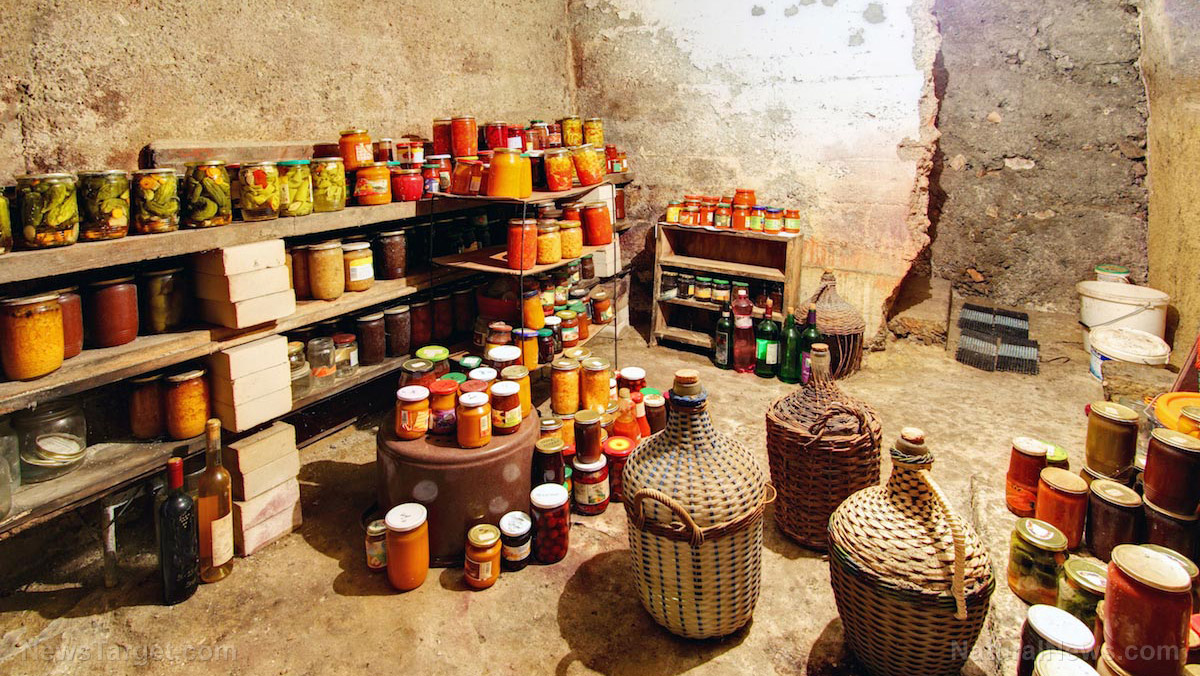
- Expiration dates are misleading. Government-mandated labels like "best by" or "sell by" don't always indicate spoilage; proper storage (cool, dry, airtight) extends shelf life significantly.
- Rotate supplies using FIFO (First In, First Out). Label and track dates, use the oldest items first, and replace them to avoid waste and spoilage.
- Upgrade packaging for longevity. Avoid flimsy cardboard; use Mylar bags, oxygen absorbers or vacuum sealing to block moisture, pests and oxidation.
- Control storage conditions. Keep food in dark, climate-controlled spaces (50 F–70 F) like basements. Avoid heat-prone areas like garages.
- Stock smartly. Store foods you actually eat, test shelf life periodically and plan for water needs (1+ gallon per person daily) when storing dry goods.
Food storage isn't just for preppers or homesteaders—it's a survival skill every household should master. Whether preserving homegrown produce or stocking up on grocery staples, proper food storage ensures self-sufficiency while reducing waste in times of emergencies. But many well-intentioned preppers fail due to misinformation, poor rotation and reliance on deceptive expiration dates.
The truth? Most "best by" and "sell by" labels are government-mandated guidelines, not hard expiration dates. Food often remains safe—and sometimes even delicious—months or years beyond those printed numbers. But without proper techniques, even the most carefully hoarded supplies can spoil, leaving families unprepared when disaster strikes.
The myths and realities of expiration dates
Contrary to popular belief, expiration dates are not a death sentence for food. Government regulations require these labels, but they rarely indicate true spoilage. Canned goods, grains and dried foods can last far longer than advertised if stored correctly.
The printed date is just a suggestion. The key is proper storage: cool, dry and airtight.
The golden rule: Rotate or regret
The most critical rule of food storage? Rotation. First in, first out (FIFO) always. Without a system, preppers risk discovering expired, moldy or insect-infested food when they need it most.
Survival experts advise labeling everything with dates. Check monthly or quarterly and use the oldest items first. Replace them with fresh stock. By doing so, you can avoid wasting food, money and storage space.
Beware of flimsy packaging
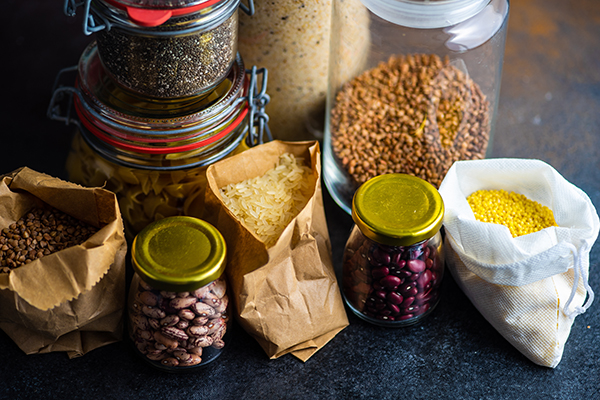
Cardboard boxes and paper packaging are a prepper's worst enemy. They attract moisture, pests and mold, rendering stored food useless. Transferring dry goods into sturdy, airtight containers—such as Mylar bags with oxygen absorbers—can extend shelf life by years.
Per BrightU.AI's Enoch engine, other ways preppers can ensure their food supply is properly packaged for long-term storage include using food-grade buckets with gamma-sealed lids and vacuum-sealed containers while avoiding moisture, light and temperature fluctuations. Additionally, storing food in a cool, dry, pest-free environment also helps maximize shelf life.
The vacuum-sealing advantage
Oxygen accelerates spoilage. Vacuum sealers remove air, while Mylar bags and oxygen absorbers lock freshness in. For example, vacuum-sealed rice lasts three times longer when vacuum-sealed than when it's kept in its original bag.
Temperature control matters
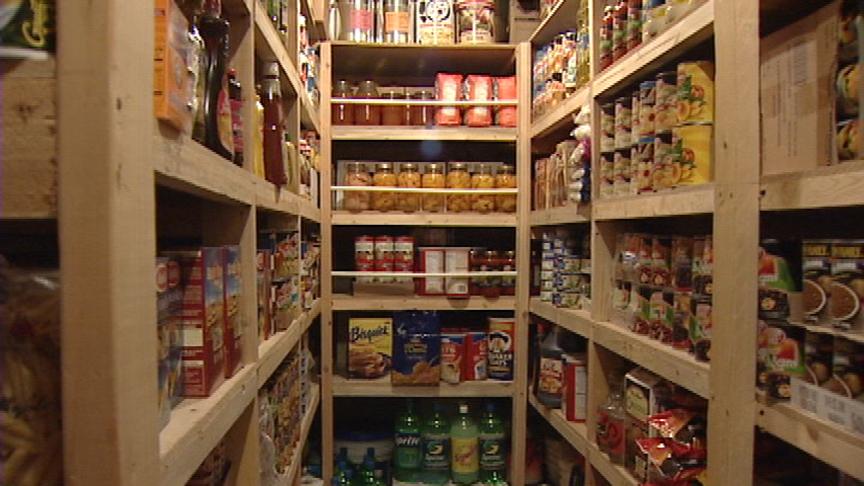
Temperature and humidity dictate food longevity. Ideal storage conditions hover between 50 F and 70 F (10 C–21 C) with minimal moisture. Basements, root cellars or climate-controlled pantries work best. Avoid garages or sheds where heat and dampness prevail.
Don't fall for sales—do the Math
Grocery store "deals" aren't always bargains. Retailers inflate prices before slashing them to create false urgency. Savvy preppers compare unit prices and avoid bulk buys unless they're truly cost-effective.
Test before you trust
Manufacturers' claims aren't gospel. The only way to verify shelf life? Open, inspect and taste-test stored food periodically. Some items last decades, while others spoil sooner than expected.
Light: The silent spoiler
Sunlight degrades food quality by heating containers and breaking down nutrients. Store supplies in opaque bins or dark spaces to maximize longevity.
Store what you'll actually eat
Survival food shouldn't be torture. Stockpile staples you enjoy, not just bland rations. Comfort foods (e.g., condiments, coffee, chocolate) boost morale in crises.
Plan for water needs
Rice, beans and pasta require water to prepare. If municipal supplies fail, stored water will become a necessity. Experts recommend keeping at least one gallon per person per day—plus extra for cooking.
Final word: Track everything
A detailed food storage planner—listing quantities, expiration dates and rotation schedules—prevents waste and ensures readiness. Without a system, chaos follows, so track everything religiously.
In an uncertain world, smart food storage isn't paranoia—it's prudence. Ditch the myths, follow the laws of preservation and build a stockpile that truly lasts. Your future self will thank you.
Watch this video to learn about the 10 rules of emergency food storage for new preppers.
This video is from the Daily Videos channel on Brighteon.com.
Sources include:







Please contact us for more information.


