


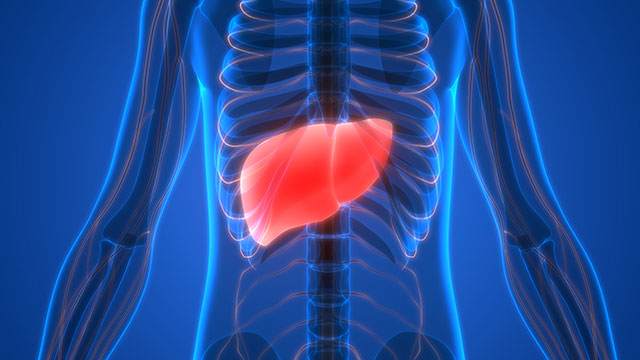
- Traditional Chinese Medicine posits a deep connection between the liver and the emotion of anger, where each can negatively impact the other.
- A historical case from the Ming Dynasty illustrates how a physician treated a nobleman's eye ailment by redirecting his anger to grief, calming "liver fire."
- In TCM, the liver is seen as the regulator of Qi (vital energy) and blood, with its health reflected externally in conditions like brittle nails or eye issues.
- Modern stress physiology confirms that chronic anger and stress elevate cortisol, which can impair liver function and contribute to inflammation and fatty liver disease.
- Holistic management includes dietary choices, herbal formulas like Xiaoyaosan, adequate sleep and emotional regulation to support liver health.
For centuries, Eastern medical systems have charted a direct pathway from turbulent emotions to physical illness, with anger holding a special, destructive resonance for a vital organ. Today, as chronic stress and lifestyle diseases surge globally, the traditional Chinese medical view of the liver—not merely as a biochemical filter but as the body’s strategic regulator of energy and emotion—is gaining renewed attention for its holistic insight. This perspective, which frames emotional balance as a cornerstone of physiological health, offers a compelling lens through which to view modern wellness challenges, suggesting that managing anger is not just good for the mind, but critical for the body's primary detoxification center.
A Ming Dynasty case of emotional alchemy
The enduring relevance of this mind-body link is vividly captured in a historical anecdote from the Ming Dynasty, recorded in the scholar Huang Xuehai’s respected miscellany, Yunzhai Manlu and shared by the Epoch Times. A nobleman, notorious for his quick temper, suffered from a severe eye disease that resisted all treatment. The physician Yang Benheng, upon examination, offered a startling prognosis: The eye malady was curable, but the prolonged medication had allegedly driven its toxic influence into his left leg, where symptoms would soon emerge. Consumed with new worry and grief over his leg, the nobleman focused on it day and night. In time, not only did no leg injury appear, but his eyes healed completely. The physician’s ingenious intervention was not medical but psychological; he strategically shifted the patient’s emotional state from anger to sorrow, thereby dousing the "liver fire" that was inflaming his eyes.
The liver in TCM: More than an organ
In the framework of Traditional Chinese Medicine, the liver transcends its anatomical definition. Instead, it is a systemic concept whose primary function is to ensure the smooth and unobstructed flow of Qi (vital energy) and blood throughout the body. This regulatory role makes it crucial for digestion, metabolism and emotional equilibrium. The liver is associated with the Wood element, symbolizing growth and flexibility, much like a tree in spring. When functioning well, it supports a sense of ease and open-mindedness. However, its corresponding emotion is anger. The Yellow Emperor’s Inner Classic, a foundational TCM text, notes that "those with liver disease are prone to anger," establishing a bidirectional relationship where dysfunction in one area exacerbates the other.
The physiology of anger
The ancient concept of stagnant liver Qi or rising "liver fire" manifesting as physical symptoms finds a parallel in modern understanding of the stress response. When an individual experiences chronic anger, resentment or stress, the body persistently releases cortisol. This stress hormone, in sustained high levels, can directly impair liver function by promoting the accumulation of fat in liver cells, reducing the production of bile necessary for digestion and detoxification and fueling systemic inflammation. This physiological cascade can lay the groundwork for conditions like fatty liver disease. The body’s "fight-or-flight" response, activated by anger, also diverts blood flow away from the liver, further hampering its detoxification duties. Thus, the TCM axiom that anger damages the liver is supported by contemporary endocrinology and hepatology.
Assessing and nourishing the liver system
TCM employs a holistic diagnostic approach, believing the state of internal organs is reflected externally. A liver system in distress may signal itself through:
- Brittle, pale or deformed nails, suggesting a deficiency of liver blood.
- Eye issues such as dryness, redness or blurry vision, explained by the liver meridian’s pathway through the eyes.
Nourishing the liver, therefore, involves both physical and emotional care. Dietary recommendations emphasize sour flavors and green foods—like leafy greens, limes and kiwi—in moderation. The classic herbal formula Xiaoyaosan (Free and Easy Wanderer) is frequently used to soothe liver Qi stagnation, addressing irritability, depression and digestive woes. Modern research, including a 2025 study published in the Journal of Ethnopharmacology, has begun to identify how such formulas may target specific genes to slow liver fibrosis. Furthermore, TCM emphasizes the critical importance of sleep, particularly between 1 a.m. and 3 a.m., when liver energy is most active and recovery occurs.
An integrated prescription for modern life
The historical case of the Ming nobleman and the principles of TCM do not stand as mere curiosities but as a timely reminder of integrated health. In an era defined by high-pressure lifestyles and chronic emotional stress, the liver can become overwhelmed. The conclusion drawn by both ancient wisdom and modern science is that supporting this vital organ requires a dual approach: mitigating physical toxins through diet and lifestyle, and managing emotional toxins through stress reduction, mindful practices and healthy emotional expression. As contemporary studies begin to validate the mechanisms behind traditional herbs and concepts, the TCM view of the liver emerges not as alternative, but as complementary—a holistic blueprint for health that acknowledges the inseparable dialogue between a calm mind and a resilient body.
Sources for this article include:






Please contact us for more information.


