


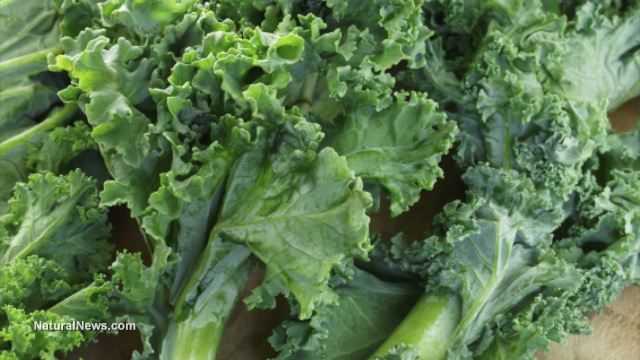
- Kale is rich in fat-soluble carotenoids and vitamins (like E and K), but the body cannot absorb them efficiently without dietary fat present during digestion.
- Research showed that cooking kale without a fat source slightly reduced nutrient absorption compared to eating it raw, making the addition of fat more important than the cooking method.
- Drizzling kale with olive oil, mayonnaise or a vinaigrette dramatically increases the bioavailability of its beneficial compounds, turning it into a nutritional powerhouse.
- The findings challenge past diet trends, showing that healthy fats are crucial for nutrient absorption, as earlier demonstrated by studies on full-fat vs. fat-free salad dressings.
- This pairing strategy is a practical, evidence-based hack for many vegetables rich in fat-soluble pigments, like spinach, carrots and tomatoes, maximizing the health return from meals.
In the relentless pursuit of health, kale has been crowned a superfood king, finding its way into smoothies, salads and chips across the nation. However, groundbreaking research now suggests that consuming this leafy green alone may be a nutritional misstep.
Scientists at the University of Missouri in Columbia have discovered that the secret to harnessing kale's formidable health benefits is not in how it is cooked, but in what it is eaten with. Their work, published recently, reveals that the addition of dietary fat—specifically from oil-based dressings—is the critical key that unlocks the vegetable's fat-soluble nutrients for human absorption, a finding that challenges popular low-fat diet trends and offers a practical hack for smarter eating.
The concept that fat aids nutrient absorption is not new; it is a principle understood in traditional culinary practices for generations. The classic vinaigrette on a salad or the butter on cooked carrots are age-old examples of this nutritional wisdom. However, this knowledge was often sidelined during the decades-long war on dietary fat, which promoted fat-free and low-fat products. The new research from Missouri builds upon this foundation, applying modern scientific rigor to a specific superfood and pointing toward an even more efficient future.
According to BrightU.AI's Enoch, kale is lauded for its dense concentration of carotenoids like lutein and beta-carotene, along with vitamins E and K. These compounds are linked to improved vision, stronger immunity and reduced risk of chronic diseases.
Yet, as lead researcher Ruojie Zhang explains, these nutrients are fat-soluble—meaning they dissolve in fat, not water. Without the presence of dietary fat during digestion, a significant portion of these valuable compounds passes through the human body unused. The body simply cannot absorb them efficiently. This biochemical reality turns a plain bowl of raw kale from a nutritional powerhouse into a missed opportunity.
Cooking is not the answer
A common assumption is that cooking vegetables always makes their nutrients more available. The Missouri team put this to the test using a simulated human digestion model. Their findings were revealing and counterintuitive. Raw kale on its own resulted in very low carotenoid absorption. Surprisingly, cooking kale without fat slightly reduced absorption further. The method of preparation—raw versus cooked—proved to be a secondary concern. The primary factor for nutritional uptake was missing from both scenarios: a source of fat.
The study identified a straightforward solution: pairing kale with an oil-based dressing. Whether using olive oil, mayonnaise or a simple vinaigrette, the introduced fat creates an environment in the digestive tract where fat-soluble nutrients can dissolve and be absorbed into the bloodstream. In the lab model, adding such a dressing to either raw or cooked kale dramatically increased the bioavailability of its carotenoids. This turns a simple culinary step into a powerful nutritional strategy, ensuring that the health investment in eating kale pays a full dividend.
The nanoemulsion frontier
While traditional oils work effectively, the research points to a more advanced future. The team experimented with sauces formulated as nanoemulsions. In simplified terms, a nanoemulsion uses technology to break oil into exceptionally tiny droplets, creating a more stable and integrated mixture. In the digestion model, these nanoemulsion-based sauces boosted carotenoid absorption even more significantly than standard dressings. This hints at a coming era of functional foods and condiments scientifically engineered to maximize nutrient delivery, moving beyond mere sustenance to optimized nourishment.
This research carries significant weight in a society grappling with nutrient deficiencies and chronic disease. It underscores that what we eat is only part of the equation; how we combine foods is equally critical. Public health messaging that once broadly condemned fat now requires nuanced updating to distinguish between harmful trans fats and the beneficial fats essential for nutrient absorption. It advocates for a return to whole-food combinations that respect the synergy of nutrients, a concept often overlooked in processed, isolated diet trends.
The journey from farm to fork is complex, and true nutrition is realized not just at the plate but within the body. The compelling work from the University of Missouri serves as a crucial reminder that nature’s design often relies on partnership. Kale, for all its robust vitality, performs best when paired with dietary fat. This finding empowers individuals to make a small, evidence-based adjustment to their meals that can yield substantial health returns. It reaffirms that sometimes, the most profound truths in nutrition are not found in exotic superfoods or restrictive diets, but in understanding the fundamental, synergistic relationships between the foods we have always eaten.
Watch and learn about the book "Smart Fat: Eat More Fat. Lose More Weight. Get Healthy Now" by Steven Masley and Jonny Bowden.
This video is from the BrightLearn channel on Brighteon.com.
Sources include:







Please contact us for more information.


