


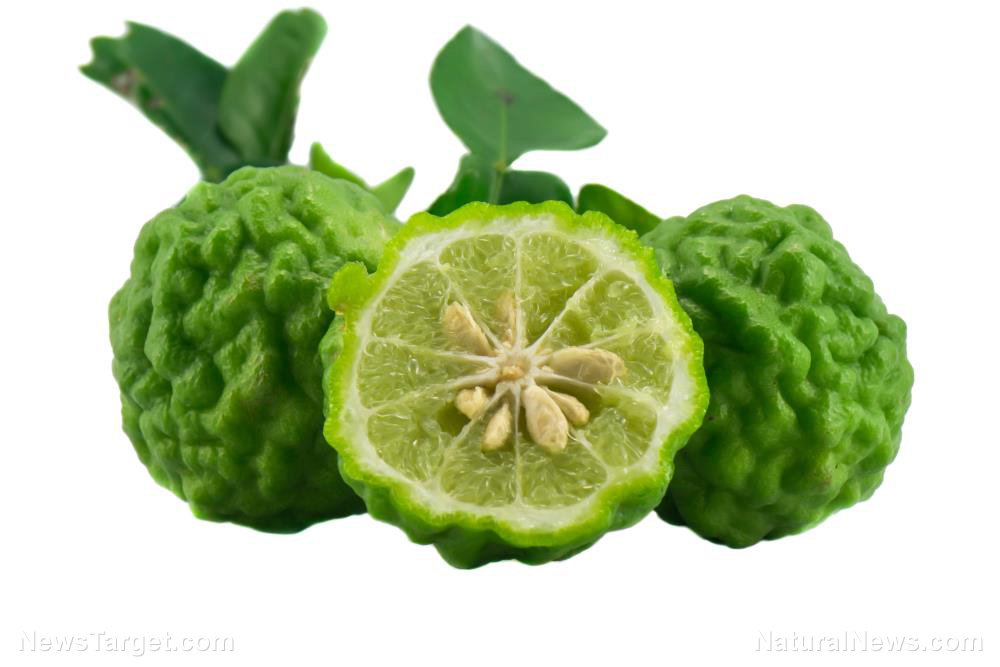
- The kaffir lime, native to Southeast Asia (Thailand, Indonesia and Malaysia), is known for its bumpy, dark green skin and unique double-lobed leaves. While the fruit is bitter and not commonly eaten, its zest and leaves are essential in Thai, Indonesian and Cambodian cuisines, adding a distinctive flavor to dishes like green curry and tom yum soup.
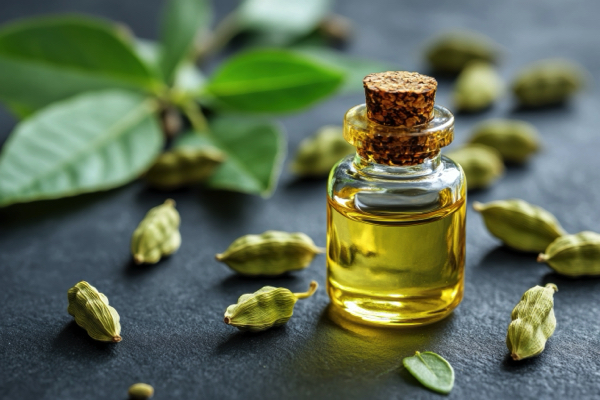
- Its essential oil is extracted from its leaves and zest through steam distillation. Historically, it has been used in traditional medicine for its antimicrobial, anti-inflammatory and antiseptic properties and in Thai culture, the leaves are used in religious ceremonies and as a natural deodorizer.
- Kaffir lime essential oil, rich in bioactive compounds such as limonene, pinene and citral, offers a range of health benefits including antimicrobial and anti-inflammatory properties, stress reduction and improvements in digestive and skin health.
- It is particularly effective for treating skin conditions like acne and reducing inflammation associated with arthritis and asthma, while also enhancing mood and promoting overall well-being.
- It offers versatile applications, ideal for aromatherapy when added to a diffuser or inhaled from steam and for topical use when diluted with carrier oil for massages and facials. It can also enhance a warm bath or serve as a natural room deodorizer when mixed with water in a spray bottle.
In the lush, verdant landscapes of Southeast Asia, a citrus fruit with a distinctively knobbly skin and a zesty aroma has been captivating the senses and offering health benefits for centuries.
Known scientifically as Citrus hystrix, the kaffir lime (also called makrut lime) is more than just a culinary delight. Its essential oil, extracted from both the leaves and the zest of the fruit, is a powerful tool in promoting health and wellness.
Its fruit is not often eaten due to its strong, bitter taste, but the zest and leaves are widely used in cooking. The leaves, with their unique double-lobed shape, are a staple in Thai, Indonesian and Cambodian cuisines, providing a distinctive aroma and flavor to dishes like green curry and tom yum soup.
Biological and health benefits
The essential oil of the Kaffir lime is rich in a variety of bioactive compounds, including limonene, pinene and citral. These compounds contribute to its numerous health benefits:
- Antimicrobial properties: Kaffir lime essential oil has been shown to have potent antimicrobial activity against a range of bacteria and fungi. This makes it useful in treating skin infections, acne and other microbial-related issues.
- Anti-inflammatory effects: The oil contains compounds that can help reduce inflammation in the body. This is particularly beneficial for individuals suffering from inflammatory conditions such as arthritis, asthma and eczema.
- Stress reduction and mood enhancement: The aromatic properties of Kaffir lime essential oil have a calming effect on the nervous system. Inhaling the oil can help reduce stress and anxiety, improve mood and promote a sense of well-being. This makes it a popular choice in aromatherapy.
- Digestive health: Traditionally, Kaffir lime has been used to aid digestion. The essential oil can help stimulate the production of digestive enzymes and improve gut health, making it useful for those with digestive issues such as bloating and indigestion.
- Skin care: The oil's antimicrobial and anti-inflammatory properties make it an excellent addition to skincare routines. It can help treat acne, reduce the appearance of scars and promote a healthy, glowing complexion.
Dosage and usage guidelines
To enjoy the calming and invigorating benefits of Kaffir lime essential oil, you can add three to five drops to a diffuser or a bowl of hot water and inhale the steam. For topical use, dilute two to three drops in 1 teaspoon of carrier oil and apply it to your skin, suitable for massages, facials and other skincare routines. Enhance your bathing experience by adding five to ten drops to a warm bath for a rejuvenating soak. Additionally, utilize its natural deodorizing properties by mixing a few drops with water in a spray bottle and spritzing it around your home.
However, it is still important to use it safely. It can cause skin irritation in some individuals, so always perform a patch test before using it topically. Avoid using the oil during pregnancy or while breastfeeding without consulting a healthcare provider. The oil should never be ingested, as it can be toxic when consumed in large quantities.
Watch the video below to learn some uses of essential oils.
This video is from the Natural News channel at Brighteon.com.
Sources include:










Please contact us for more information.


