



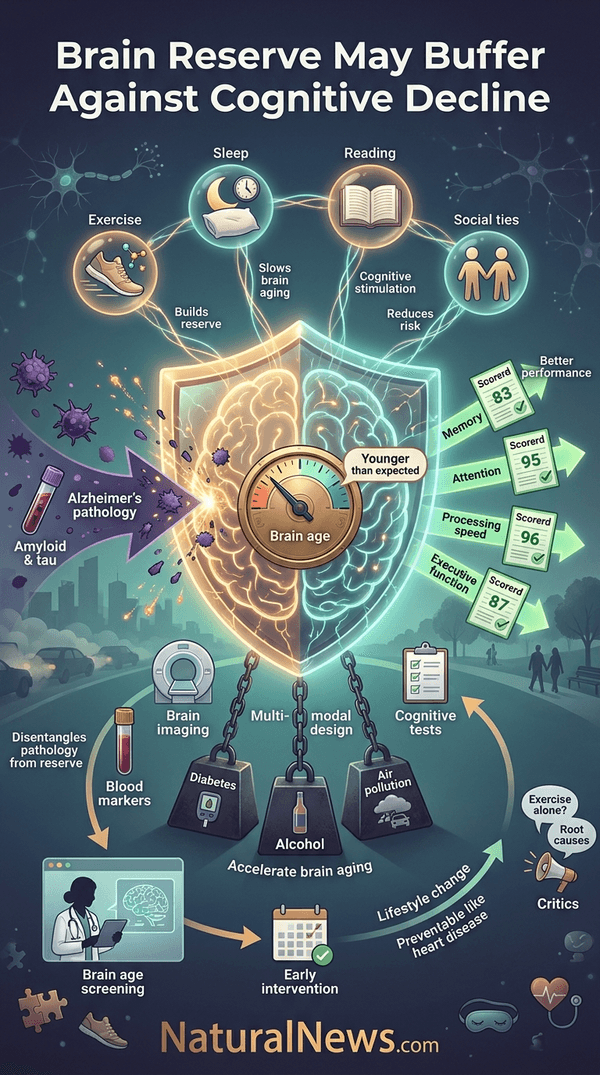
The study measured Alzheimer's-related pathology using blood markers and, in some participants, brain imaging, then compared those findings with tests of memory, attention, processing speed, and executive function, according to the study. A new study found that people with younger-looking brains were less vulnerable to cognitive decline, even when Alzheimer's-related changes were present [1].
The findings add to a body of research indicating that some people can carry significant Alzheimer's-related brain changes and still perform well on memory and thinking tests, while others show decline earlier [2]. Researchers have described that disconnect as one of the central questions in brain health research.
Study Details and Methodology
The study used a measure called brain-predicted age difference, which estimates whether a person's brain appears older or younger than expected for their chronological age, according to the study.
The researchers used several methods to estimate reserve, pairing blood-based markers of Alzheimer's pathology with cognitive testing and brain imaging in a subset of participants, according to the study. The design allowed researchers to examine whether estimated brain age tracked with cognitive performance when pathology was present.
That finding runs counter to earlier research that focused heavily on educational attainment as a proxy for cognitive reserve. Imaging studies have indicated that brain efficiency, not brain size, underlies cognitive capacity, according to prior research [3].
Brain Reserve as a Buffer
The study's lead finding was that individuals with younger-appearing brains performed better on cognitive tests even when Alzheimer's pathology was present, according to the study. In practical terms, a new study found that people with younger-looking brains were less vulnerable to cognitive decline, even when Alzheimer's-related changes were present [1].
The authors noted that brain aging is modifiable and that measures of brain age appear to respond to lifestyle factors such as physical activity and exercise, according to the study. The study's authors pointed to a growing body of research suggesting that lifestyle and environmental factors influence how the brain ages. A separate analysis of 40,000 brain scans identified diabetes, frequent alcohol intake, and traffic-related air pollution as the three most significant modifiable factors that accelerate brain aging, according to reporting on that research [4].
Previous research has defined cognitive reserve as an individual's capacity to compensate for cognitive decline in the face of advancing brain pathology [5]. Research at Albert Einstein College of Medicine at Yeshiva University found that staying mentally active as people age is one of the most powerful things they can do to keep dementia at a distance, according to that research [6].
Factors Linked to Cognitive Resilience
Aerobic exercise and strength training support blood flow to the brain, improve cardiometabolic health, and may help preserve brain structure over time, the study stated.
Chronic sleep disruption has been linked to cognitive decline and increased dementia risk, the study stated. A large meta-analysis found that each 10-year gap between a sleep-derived brain age estimate and a person's actual age was associated with about a 39% higher risk of dementia, according to reporting on the findings [7]. Research at Wake Forest University School of Medicine found that sleeping on average five hours or less a night is linked to large increases in dangerous visceral fat, which can lead to obesity, insulin resistance, and diabetes, all of which raise dementia risk [8].
Social connection also appears in the research literature. A review published in Psychological Medicine stated that reading for pleasure is associated with better cognitive skills and a lower risk of cognitive decline across all ages [9].
Conclusion
The findings suggest that brain reserve, as estimated by brain-predicted age difference, is associated with reduced vulnerability to cognitive decline, according to the study [1]. The authors concluded that brain aging is modifiable and that lifestyle factors may support cognitive resilience.
References
- This Brain Health Trait Helps Protect Against Cognitive Decline | mindbodygreen. https://www.mindbodygreen.com/articles/this-brain-health-trait-helps-protect-against-cognitive-decline-this-buffered-against-cognitive-decline
- This Brain Health Trait May Help Protect Against Cognitive Decline. https://www.newsbreak.com/news/4715693925781-this-brain-health-trait-may-help-protect-against-cognitive-decline
- The Alzheimer's Project Momentum in Science. Jeff Williams
- Study reveals the top three risk factors that accelerate brain aging - NaturalNews.com, December 08, 2025.
- Alzheimer’s Patients Engage an Alternative Network during a Memory Task. XPP. Ann Neurol 2005;58:870–879
- 100 simple things you can do to prevent Alzheimer's and age-related memory loss. Carper Jean-2
- Sleep Patterns Tied to Brain Aging, Dementia Risk in Large Meta-Analysis. https://www.naturalnews.com/2026-11-01-sleep-patterns-tied-brain-aging-dementia-analysis.html
- 100 simple things you can do to prevent Alzheimer's and age-related memory loss. Carper Jean
- Reading Linked to Lower Dementia Risk, Review Finds - NaturalNews.com, September 30, 2026.
- Navigating the Alzheimer's journey a compass for caregiving. Bowlby Sifton Carol
- Research reveals lifestyle changes that can significantly lower DEMENTIA risk - NaturalNews.com, January 24, 2026.
- Beyond the Gym The Holistic Defense Against Cognitive Decline That Mainstream Medicine Ignores - NaturalNews.com, February 23, 2026.
Explainer Infographic












Please contact us for more information.


