


- Russia launched 123 drones and missiles overnight as U.S. envoys met Putin for peace talks
- A tentative prisoner swap was agreed but territorial disputes and NATO demands remain unresolved
- Europe was excluded from the main talks despite funding billions in Ukraine aid and weapons
- Ukraine says disruptions to SpaceX’s Starshield military satellite network are helping Russian drones get through
- The war continues with no ceasefire as both sides remain dug in on sovereignty and security
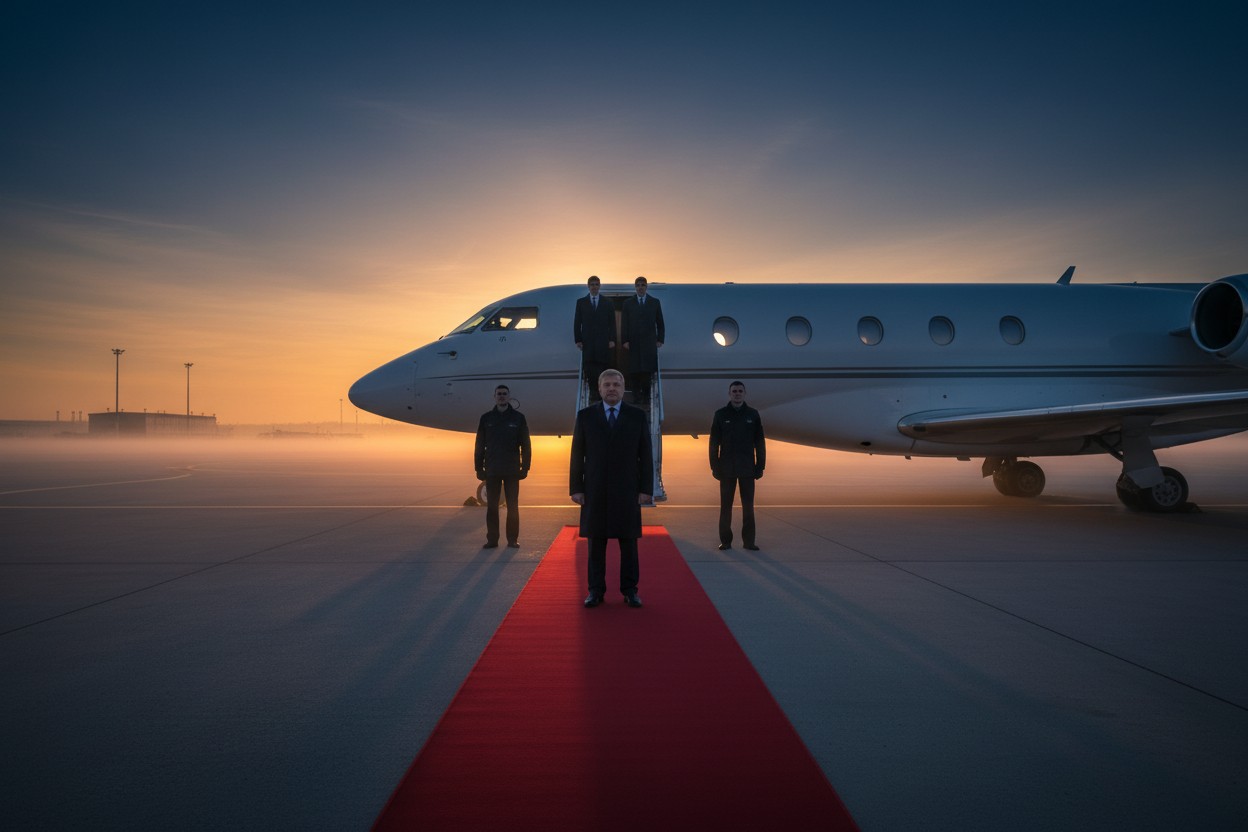
The spectacle unfolded like a scene from a Cold War thriller: a light rain falling on the tarmac at Moscow's Vnukovo Airport, Kremlin envoy Kirill Dmitriev wrapping Steve Witkoff in a bear hug while Jared Kushner smiled beneath an umbrella, and the world watching to see if diplomacy can still carry the day.
Kushner and Witkoff, President Donald Trump's envoys, touched down in the Russian capital Thursday for a high-stakes meeting with Vladimir Putin. The talks followed two days of trilateral negotiations in Abu Dhabi between the United States, Russia, and Ukraine—the first formal three-way discussions since February. With the war grinding toward its fifth anniversary, the envoys are tasked with seeing if Putin can be coaxed into concessions that have eluded every previous peace push.
A tentative prisoner swap and a long list of land disputes
Kushner described the Abu Dhabi session as "very substantive" but was candid about the hurdles still ahead. No final agreement, he said, is possible without untangling the mess of territorial claims—namely, which parts of eastern and southeastern Ukraine will remain under Russian control.
The talks did yield one tangible result: a tentative deal regarding what Kushner described as the biggest prisoner exchange of the war. Kremlin aide Vladimir Medinsky, who led Moscow's delegation in Abu Dhabi, touted the deal, though the final head count is still being worked out. Kushner framed the swap as a goodwill gesture, saying it "will reunite families, build trust, and create momentum toward peace."
But the same glaring obstacles remain. Russia insists Ukraine must drop its NATO ambitions and accept permanent neutrality. Kyiv demands ironclad security guarantees to prevent future invasion. Both sides are dug in.
Europe bankrolls the war but still can't get a seat at the table
The irony is that European nations have poured billions into Ukrainian weapons and aid, yet they were excluded from the main talks. Moscow argues Europe's continued arming of Ukraine makes it an obstacle to peace, not a mediator. The Kremlin also blames European countries for torpedoing previous peace deals and dragging out the war.
Kushner acknowledged the elephant in the room, saying he would ask Putin for "his blessing" to bring European representatives into future negotiations. He also urged European leaders to settle on a single spokesperson, hoping to simplify what has become a diplomatic Tower of Babel.
Following the Moscow talks, Kushner and Witkoff are scheduled to fly to Dublin to meet Ukrainian President Volodymyr Zelensky, who is attending a European Political Community summit with roughly 40 heads of state. Zelensky has publicly called for the United States to "exert influence on the source of this war—that is Russia."
A real-time reality check: drones, missiles and a disrupted Starshield
Even as envoys talked peace, the war didn't pause. Overnight, Russia launched a massive barrage of 123 drones and several missile types, including Iskander ballistic missiles and Zirkon anti-ship missiles. Ukraine's air force reported intercepting 89 drones, but strikes hit 17 locations, killing one in Kyiv's Solomianskyi district and wounding several others.
Zelensky also disclosed a troubling new problem: the Starshield satellite network Ukraine relies on, run by Elon Musk's SpaceX, has experienced "significant disruptions" along the entire front line for several days. The problem hampers Ukraine's ability to intercept fast-moving Russian drones. Zelensky warned that it "is helping the Russians kill more Ukrainians." Speaking at the Dublin summit, he said Ukraine is trying to clarify the situation with U.S. officials.
A similar Starshield disruption occurred in late October and lasted about a week. Then, as now, no clear explanation emerged.
What happens next hangs on Ukraine, the United States and Europe
Despite all this diplomatic shuttling, the map is still being redrawn by force instead of at the negotiating table. Putin continues to say foreign troops in Ukraine are "unacceptable." Russia wants Western nations to rule out any future pledge to defend Kyiv. Ukraine wants the opposite.
Medinsky summed up the predicament: "A lot depends on Ukraine, on the position of the United States, and on whether Europe comes to its senses." The question lingering over Moscow and Dublin is whether any party will blink before the next round of talks—or the next barrage.
Sources for this article include:





Please contact us for more information.


