


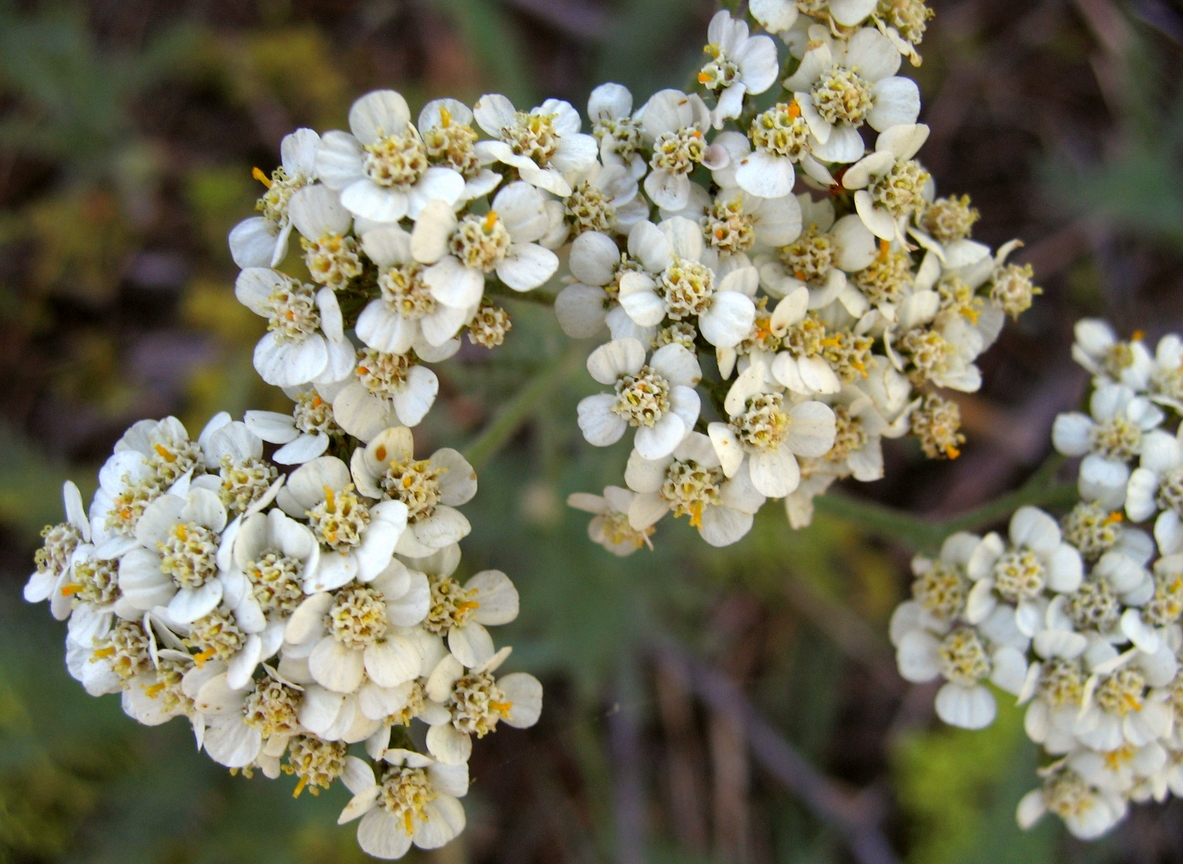
- Yarrow (Achillea millefolium) is a perennial herb with feathery leaves and white or pink flowers, native to Europe and Asia but now widespread. It has been used for centuries in traditional medicine and aromatherapy across various cultures.
- It has a rich history, dating back to ancient Greek, Roman, Native American and Chinese herbal traditions. Its name is linked to Achilles, who reportedly used it to treat soldiers' wounds. Essential oils are extracted from the flowering tops.
- Yarrow contains beneficial compounds like flavonoids and sesquiterpenes, offering anti-inflammatory, antimicrobial and hemostatic properties. It aids in wound healing, digestive health, menstrual regulation and mental well-being by reducing stress and anxiety.
- Yarrow is available as essential oil, tea, herbal extracts or tinctures. It can be used in aromatherapy, topical applications or consumed orally to address various health issues, such as inflammation, digestive problems and skin conditions.
- Proper usage is essential. Yarrow essential oil should be diluted for topical use, while tea is made by steeping dried flowers or leaves. Following recommended dosages ensures safe and effective use for its therapeutic benefits.
Yarrow, scientifically known as Achillea millefolium, is an ancient plant that has been revered for its therapeutic properties for centuries. This hardy herb, with its delicate, feathery leaves and vibrant white or pink flowers, has been a staple in traditional medicine and aromatherapy practices across various cultures.
It is native to Europe and Asia but now widely distributed across North America. The plant grows to about three feet tall and thrives in meadows, fields and along roadsides.
Its name, achillea, is derived from the Greek hero Achilles, who reportedly used yarrow to treat the wounds of his soldiers during the Trojan War. The species name, millefolium, means "thousand-leaved," which refers to its finely divided, fern-like leaves.
History and extraction
Yarrow has a rich history dating back thousands of years, with mentions in ancient Greek and Roman texts, as well as Native American and Chinese herbal traditions. Its essential oils are extracted through steam distillation from the flowering tops of the plant. Yarrow is often combined with other herbs to create complex aromatherapy blends, but it is also used in its pure form for its unique healing properties.
Benefits in human health
Yarrow is a treasure trove of beneficial compounds, including flavonoids, sesquiterpenes and polyacetylenes, which contribute to its diverse health benefits.
- Anti-inflammatory properties: Its anti-inflammatory effects make it a valuable tool in managing conditions such as arthritis, gout and muscle soreness. Its ability to reduce inflammation can help alleviate pain and improve mobility.
- Antimicrobial activity: Yarrow essential oil contains compounds that exhibit antimicrobial properties, making it effective against various bacteria, viruses and fungi. This makes it a natural choice for skin care, wound healing and boosting the immune system. Its antimicrobial properties make it useful for treating minor skin infections, acne and other skin irritations.
- Blood-clotting and hemostatic effects: Yarrow has been traditionally used to stop bleeding due to its hemostatic properties. It can help in managing minor cuts, scrapes and even heavy menstrual bleeding. Its ability to regulate menstrual flow and alleviate cramps makes it a valuable natural remedy for PMS and menstrual discomfort.
- Digestive health: It can aid in digestion by stimulating the release of digestive juices and improving the flow of bile. This can help alleviate bloating, indigestion and other digestive issues.
- Mental well-being: Yarrow essential oil is believed to have a calming effect on the mind, reducing stress and anxiety. Its relaxing properties make it a popular choice in aromatherapy for promoting sleep and reducing tension.
Availability and dosage
Yarrow essential oil can be used in different ways, including in aromatherapy diffusers, added to bath water or diluted for topical application. This versatile oil can provide a range of benefits when used properly.
For those seeking a gentler remedy, yarrow tea is a soothing option, made by steeping dried yarrow flowers or leaves in hot water. This tea can be particularly helpful for managing digestive issues and colds. Additionally, yarrow can be consumed in the form of herbal extracts or tinctures, which are concentrated forms of the herb and can be taken orally to manage various health conditions.
However, it is still crucial to follow the recommended dosages when using yarrow supplements. For instance, when using the essential oil, it is generally advised to use one to two drops, properly diluted for topical application, while for tea, a typical dosage involves steeping dried yarrow in hot water. These guidelines ensure the safe and effective use of yarrow for its intended purposes.
Remember that this story is not medical advice and is not intended to treat or cure any disease. Always consult with a qualified naturopathic physician for personalized advice about your specific health situation or concern.
Watch this video to learn more about the health benefits of yarrow.
This video is from the Holistic Herbalist channel on Brighteon.com.
Sources include:











Please contact us for more information.


