


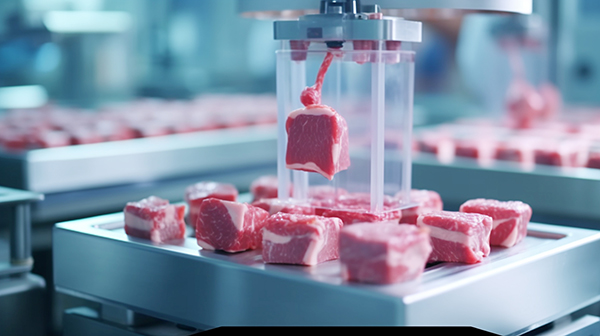
- Every plant-based meat alternative tested in a UK study contained at least one mycotoxin, with most containing several fungal toxins simultaneously.
- Emerging Fusarium toxins appeared in over 93% of products, with beauvericin detected in 98.9% of samples.
- Researchers linked widespread contamination to products combining multiple crops prone to fungal colonization.
- Mycotoxins can damage the liver, kidneys, and immune system even at low exposure levels.
- Choosing whole foods over highly processed plant-based substitutes reduces mycotoxin exposure risks.
The plant-based protein problem you haven't heard about
Why consumers who switched to plant-based burgers expecting cleaner alternatives may be encountering hidden health risks, what researchers discovered was that every plant-based meat alternative tested contained mycotoxins, when the findings were published in Food Control and reported in November 2026, where researchers analyzed 212 products from five major UK retailers, and what happened was the detection of 19 different mycotoxins including multiple toxins occurring together in most samples tested.
Contamination across all product categories
UK researchers detected at least one mycotoxin in 100% of plant-based meat alternatives analyzed, with multiple fungal toxins commonly occurring together. The study, published in Food Control, found that emerging Fusarium toxins were particularly widespread.
Beauvericin appeared in 98.9% of the 92 plant-based meat alternatives tested, while enniatin A and enniatin A1 each appeared in 93.5% of products. Alternaria toxins were also widespread, and aflatoxins were found in as many as 82.6% of samples.
These mycotoxins are biologically active compounds produced by molds that colonize crops such as wheat, oats, corn, soy and peas either in the field or during storage. Many resist the heat and processing steps used to manufacture finished foods, meaning contamination present at the ingredient stage carries forward into the final product.
While no individual product exceeded regulatory limits, the researchers expressed concern about repeated exposure to mixtures of several mycotoxins. Current safety limits generally evaluate individual toxins rather than the combined exposure found in these foods.
Why plant-based meats face greater risks
Plant-based meat alternatives commonly combine cereals such as wheat, oats and maize with legumes including soy, peas, beans and chickpeas. Each additional agricultural ingredient creates another route through which contamination can reach the finished product.
Researchers found no significant differences in overall mycotoxin concentrations among different plant-based meat categories. They linked this to the products' large, interconnected ingredient mixtures.
The study also tested 120 plant-based beverages alongside the meat alternatives. Oat drinks stood out for HT-2 and T-2 toxins, mycotoxins produced by Fusarium molds that commonly contaminate cereal crops. Soy beverages showed a particularly high prevalence of ochratoxin A. Emerging mycotoxins were widespread across beverage categories as well, though concentrations were significantly higher in meat alternatives than in beverages.
Context of mycotoxin dangers
Mycotoxins have affected human health for centuries. Ergot, a fungus found on rye and other cereal grasses, caused St. Anthony's fire during the Middle Ages in areas of high rye bread consumption. Some historians believe ergot-contaminated grain played a role in the Salem Witch Hunt of 1692.
Aflatoxins, produced by Aspergillus mold found in decaying vegetation, hay and grains, are among the most toxic chemicals known to exist. The Food and Agriculture Organization of the United Nations estimates 25% of food crops are affected by mycotoxins.
Modern grain cleaning and quality control have reduced the risks historically associated with visible fungal contamination. However, the study's findings suggest that processed plant-based products combining multiple crops may concentrate contamination from different sources into single food items.
Health implications of chronic exposure
Different mycotoxins have been linked to liver and kidney toxicity, immune system damage, hormone-disrupting effects and cancer. Aflatoxins are classified as human carcinogens, while ochratoxin A and fumonisins have raised concerns about carcinogenic effects.
The study did not show that amounts detected in these products caused disease. The concern raised by researchers involves repeated exposure to mixtures of several mycotoxins. Laboratory studies have linked beauvericin and enniatins to cell-membrane disruption and mitochondrial toxicity, though their effects at dietary levels in humans remain poorly characterized.
Simplifying food choices to reduce exposure
The most direct way to lower mycotoxin exposure involves reducing reliance on highly processed plant-based foods. These products combine grains, legumes, seed oils, gums, starches, flavorings, and other additives in single packages, creating multiple possible entry points for toxins.
Replacing plant-based meat substitutes with simpler whole foods reduces contamination risks while also avoiding additives such as methylcellulose, carrageenan, gums and modified starches used to thicken, bind or stabilize processed foods.
Checking ingredient lists for long sequences of processed components helps identify highly engineered products. Ingredients such as soybean, corn, sunflower, safflower, cottonseed and canola oils indicate the presence of seed oils that contribute their own metabolic concerns.
For consumers who do purchase packaged foods, researchers called for stronger raw-material control, monitoring and manufacturing practices. Contamination prevention must begin before ingredients are blended into finished products, with temperature and humidity during cultivation, harvest and storage fundamentally influencing fungal growth and toxin production.
What this means for your next meal
The study raises questions about health claims made for processed plant-based alternatives. While individual products may not exceed regulatory limits for any single toxin, the cumulative burden from consuming multiple mycotoxins across regularly eaten products represents an unregulated exposure that consumers have no way to evaluate from package labels. As the plant-based food category continues to grow, understanding the complete risk profile of these engineered substitutes becomes increasingly important for making informed dietary choices.
Sources for this article include:











Please contact us for more information.


