


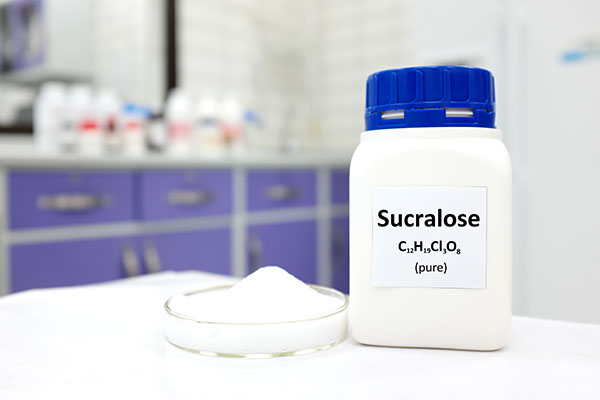
A report published by the nutrition science company ZOE examined the state of the evidence on sucralose and concluded that study results are mixed, with some research pointing to negative changes in the gut microbiome and in glucose and insulin responses [9].
The ZOE report, written by Frankie McIntyre, states that responses to sucralose differ among individuals and that some people report no effects while others notice bloating, stomach discomfort, or changes in bowel habits [9]. The report recommends a short elimination-and-rechallenge test for consumers who suspect the sweetener does not agree with them [9].
The mixed findings arrive as sucralose remains subject to regulatory approval in the United States.
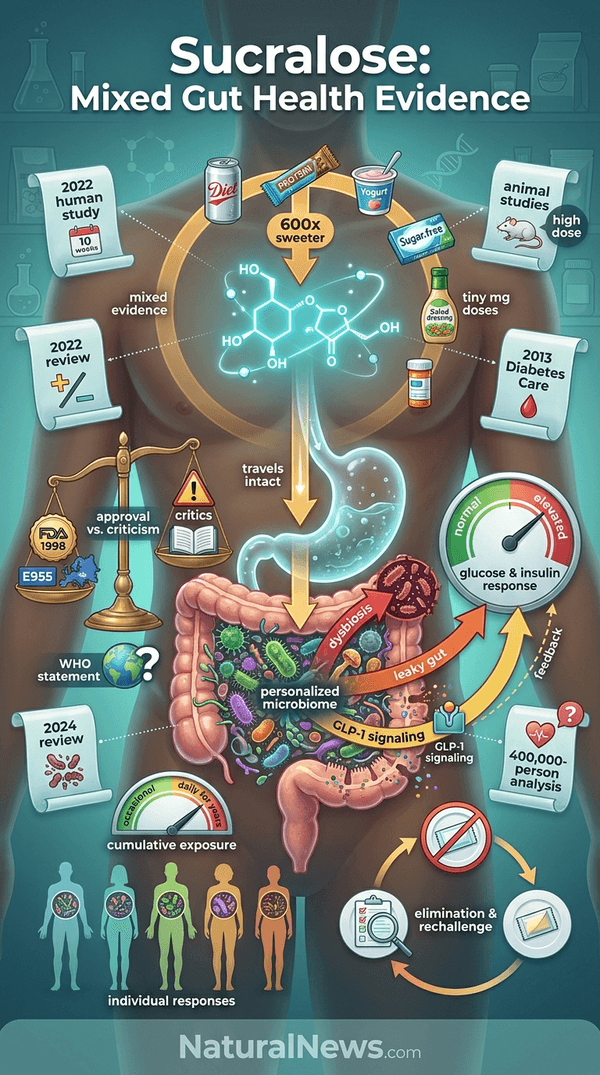
According to the U.S. Food and Drug Administration (FDA), sucralose is about 600 times sweeter than table sugar and is regulated as a food additive [1]. The agency approved sucralose for use in 1998, according to an article published on Mercola.com [2].
What Is Sucralose and Where Is It Found?
Sucralose is classified as a non-nutritive sweetener, meaning it provides few or no calories. Because it is much sweeter than table sugar, manufacturers need only tiny amounts to sweeten a product [9].
The sweetener appears in a range of everyday products. The ZOE report lists diet sodas and zero-sugar drinks, protein powders and bars, flavored yogurts, and sugar-free sweets and chewing gum among common sources [9]. The report notes that much of the sweetener passes through the body without being used for energy, but adds that "no calories" does not always mean "no effect," especially in the gut, where ingredients can interact with microbes and the gut lining [9].
Regulatory status varies by jurisdiction. Sucralose was approved by the FDA in 1998 for use as a tabletop sweetener and in various food products, and it is permitted for general-purpose use in processed foods; in the European Union, it carries the additive code E955 [2].
The FDA states that it approved sucralose for use in 15 food categories [1].
Criticism of the sweetener has persisted for years, and it has been described as a chemical imposter whose marketing claims mask what the outlet characterizes as an ugly truth [3].
Research on Gut Microbiome and Metabolism
A 2022 human study found that consuming sucralose daily for 10 weeks was associated with changes in the gut microbiome [9]. The same study noted alterations in glucose and insulin responses during an oral glucose tolerance test.
A 2022 review examining sucralose and saccharin suggested the overall evidence is mixed and varies depending on the type of study, the dose used, and participants' usual diets
The ZOE report states that it is hard to pin down the true effect because everyone's microbiome is different [9]. The report states: "The evidence so far doesn't suggest sucralose is harmful at typical intakes, but it may matter more if you're having it multiple times every day over months and years [9]."
Researchers are still investigating why glucose and insulin responses might shift, with possible explanations including effects on the gut microbiome, gut signaling that affects hormones, or differences between people such as baseline insulin sensitivity and overall diet, according to the report.
Other published material describes broader metabolic concerns. A review by J.A. Aguayo-Guerrero and colleagues, published in 2024, states that recent studies suggest sucralose consumption may lead to dysbiosis, adversely affecting the composition of intestinal microbiota, and notes that the World Health Organization (WHO) issued a global statement on the sweetener [4].
Lisa Moskovitz, a registered dietitian and the author of "The Core 3 Healthy Eating Plan," writes that a 2013 review published in Diabetes Care discovered that sucralose ingestion increased blood glucose and insulin secretion, and that studies show artificial sweeteners might spark appetite and create hunger in certain individuals [5].
Meanwhile, Bruce Fife writes in "Fat Heals, Sugar Kills" that evidence suggests non-nutritive sweeteners could have negative effects on metabolism, alter gut bacteria, and increase appetite, citing an analysis of data from 37 previous studies that tracked the cardiovascular and metabolic health of more than 400,000 people who used non-nutritive sweeteners [6].
Digestive Symptoms and Inflammation
Some individuals report bloating, stomach discomfort, or looser stools after consuming sucralose-sweetened products [9].
McIntyre said that these symptoms may stem from personal sensitivity, from other ingredients in the product such as sugar alcohols, added fibers, or thickeners, or from the amount consumed [9]. She also notes that one serving occasionally is different from consuming a few each day [9].
Researchers are exploring whether sucralose could subtly alter the gut microbiome or the gut lining, which might then influence the immune system [9]. Early research, mostly in animals, supports this as a possibility, but it does not prove the same thing happens in humans at typical intakes.
Book authors have advanced stronger positions on gut effects.
Steven R. Gundry writes in "The Longevity Paradox" that products such as sucralose, saccharin, aspartame, and other nonnutritive artificial sweeteners kill gut bacteria, and he argues that although these products are supposed to aid in weight loss, they do just the opposite [7].
Gundry also writes that compounds that disturb the gut microbiome can affect the body's hormone communication, linking exposure to such agents with obesity, diabetes, and other metabolic diseases, as well as reproductive problems, women's hormone-sensitive cancers, thyroid problems, and impaired development of the brain and neuroendocrine systems [7].
What to Do If Concerned
For consumers who suspect sucralose may be affecting them, the ZOE report outlines a structured test [9]. It recommends taking a two-week sucralose break while keeping everything else as steady as possible, keeping a note of symptoms including bloating, stool changes, discomfort, cravings, and energy, then reintroducing sucralose for three to four days using one consistent product and observing whether symptoms return in a clear, repeatable way [9].
To avoid sucralose completely, McIntyre advises checking ingredient lists for "sucralose," sometimes alongside brand wording such as Splenda, depending on the product [9].
McIntyre lists protein products, flavored dairy, zero-sugar drinks, sugar-free desserts, and health snacks as common sources [9]. Alternatives suggested in the report include unsweetened versions with additions such as fruit, cinnamon, or vanilla, lightly sweetened options with lower sugar content, or other non-nutritive sweeteners if tolerated better [9].
Other commentators have offered broader guidance. Mike Adams, host of the Health Ranger Report, has argued that artificial sweeteners such as sucralose and aspartame are linked to metabolic disorders and obesity, and that consumers should not assume that calorie-free products support weight loss [8].
"For long-term gut health, your overall eating pattern matters far more than any single sweetener," concludes McIntyre [9].
References
- Aspartame and Other Sweeteners in Food. https://www.fda.gov/food/food-additives-petitions/aspartame-and-other-sweeteners-food
- Is This Sweetener Truly a Healthy Option - Mercola.com, February 02, 2022.
- Top 5 Reasons Never to Use Splenda. GreenMedInfo.com
- Sucralose: From Sweet Success to Metabolic Controversies .... https://pmc.ncbi.nlm.nih.gov/articles/PMC10971371/
- The Core 3 Healthy Eating Plan: Discover the Simple, Sustainable Way to Lose Weight, Feel Great, and Enjoy Food Freedom! Lisa Moskovitz [Moskovitz, Lisa]
- Fat Heals, Sugar Kills: The Cause of and Cure to Cardiovascular Disease, Diabetes, Obesity, and Metabolic. Dr. Bruce Fife
- The Longevity Paradox: How to Die Young at a Ripe Old Age. Dr. Steven R. Gundry
- Health Ranger Report - Artificial sweeteners MAKE YOU FAT! - Mike Adams - BrightVideos.com, January 01, 2018.
- Sucralose: What’s the truth?. https://zoe.com/learn/sucarlose-whats-the-truth-research?srsltid=AYCX9vJojeganptPwISOBD7XweDzde9wv-l59pKM-2FG_pg-bNVmTi1c&lead_id=75515c55-eac6-4722-8049-2b9a84065b4b
Explainer Infographic







Please contact us for more information.


