


The study stated that IBS symptom severity remained stable and beneficial gut bacteria increased in the fiber group. No worsening of symptoms was reported in the fiber group, according to the findings. The authors described the results as an early lead and stated that more research is needed.
The trial adds to a limited body of evidence on how specific fiber combinations affect people with IBS who are managing their symptoms through diet. The researchers cautioned that the findings are preliminary and should not be interpreted as a treatment recommendation.
Study Methods and Participant Group
Eligible adults had followed a low-FODMAP diet for at least one month, the report stated. Participants received either the fiber blend or a placebo containing maize flour and psyllium husk, officials said. The trial was randomized and double-blind, according to the study abstract [1].
Both groups increased daily dose from 5 grams to 40 grams over 11 days, according to the study. Researchers measured outcomes after three weeks; 26 participants completed the trial. The study did not specify how many participants were initially enrolled or how many dropped out.
The researchers assessed changes in gut bacteria, IBS symptom severity, anxiety about digestive symptoms, sleep quality, and overall diet quality.
Gut Bacteria and Reported Outcomes
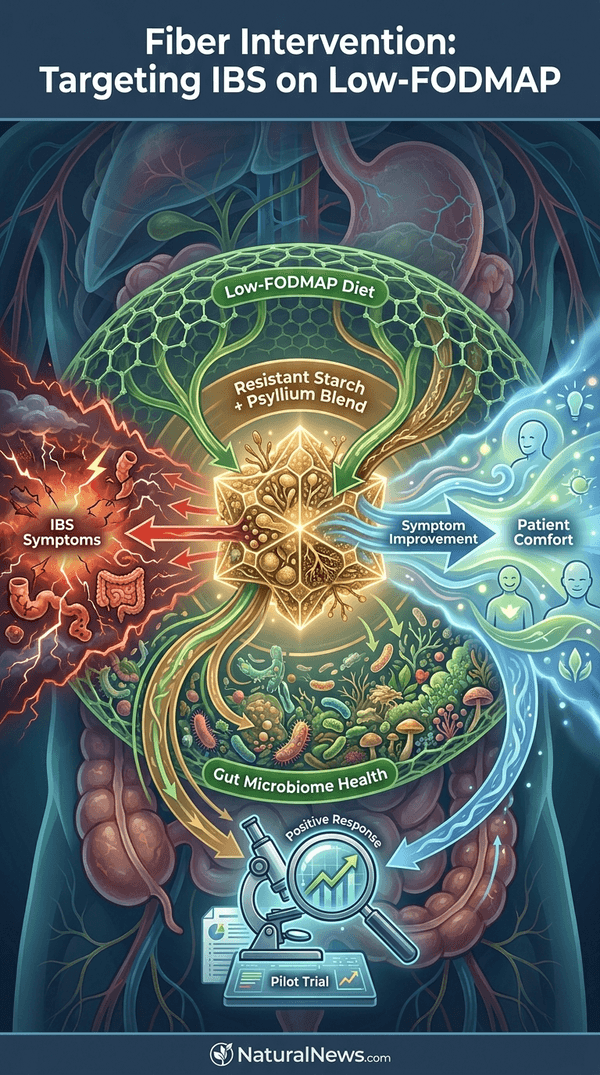
Participants taking the blend increased resistant starch intake and reached recommended total fiber levels, the study found. Researchers reported increases in Ruminococcus E and Prevotella bacteria, which help break down resistant starch. The report stated these bacteria support other microbes that produce butyrate, a compound that helps maintain the gut lining.
Participants in the fiber group reported less anxiety about digestive symptoms, according to the findings. IBS symptom severity, sleep quality, and overall diet quality remained stable, researchers said. The study did not report significant differences between the fiber and placebo groups in those measures.
The authors noted that the increases in beneficial bacteria were observed alongside the stable symptom scores, suggesting the blend was tolerated. However, they emphasized that the small sample size limits the strength of any conclusions.
Low-FODMAP Diet and Fiber Intake
A low-FODMAP diet limits certain carbohydrates that can ferment in the gut and trigger gas, bloating, and discomfort, according to the study. The report stated that limiting these carbohydrates can also reduce fuel for beneficial gut bacteria. FODMAPs are fermentable oligosaccharides, disaccharides, monosaccharides, and polyols found in various foods.
Researchers suggested psyllium might help resistant starch reach the large intestine before bacteria ferment it, potentially improving tolerance. The trial did not confirm this mechanism, and the authors stated more research is needed. The study was not designed to isolate the effects of psyllium from those of resistant starch.
The findings align with previous research indicating that a low-FODMAP diet may negatively affect the gut microbiota of some IBS patients despite alleviating symptoms [2]. The authors proposed that targeted fiber supplementation could help mitigate those effects.
Guidance for Adding Fiber
The study stated that more fiber is not always better for people with IBS and that type, amount, and pace of increase can affect gut response. Researchers advised consulting a dietitian experienced in IBS before using a resistant starch and psyllium supplement.
The report stated participants increased intake gradually over 11 days, but 40 grams daily is not necessarily appropriate for everyone. The researchers did not provide specific dosing recommendations for clinical practice. They noted that individual tolerance varies widely.
The authors emphasized that the pilot trial was not powered to detect small but meaningful differences in symptoms. They called for larger, longer trials to confirm the safety and efficacy of the blend.
Conclusion
The pilot trial reported that a resistant starch and psyllium blend increased beneficial bacteria without worsening IBS symptoms in participants on a low-FODMAP diet. The authors described the findings as an early lead and stated that more research is needed. The study was limited by its small sample size and short duration.
They advised individuals to work with a dietitian to determine appropriate fiber intake. The researchers did not recommend the blend for general use based on these results.
References
- Dietary fibre blend improves gut health in patients with .... https://pubmed.ncbi.nlm.nih.gov/42782339/
- Dietary fibre blend improves gut health in patients with irritable .... https://pmc.ncbi.nlm.nih.gov/articles/PMC13612624/
Explainer Infographic











Please contact us for more information.


