


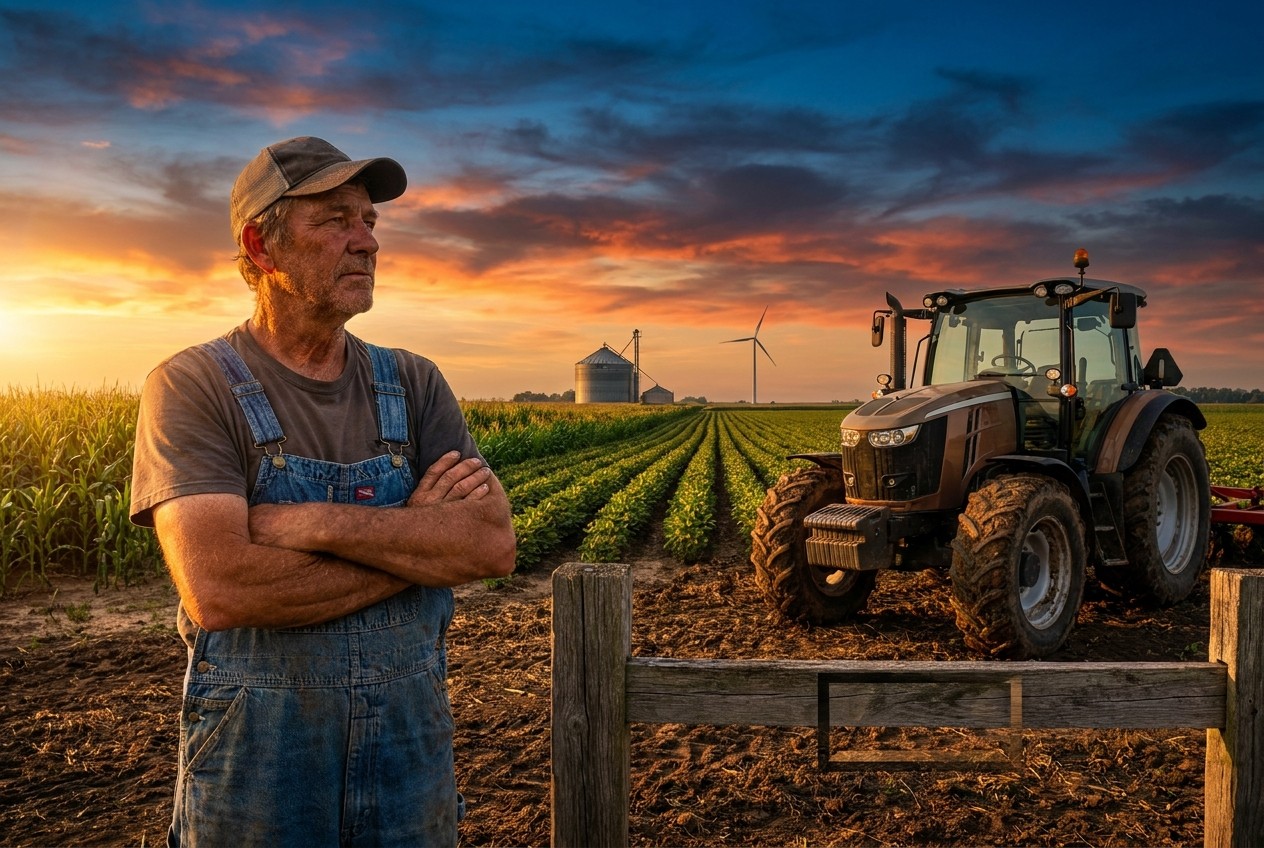
Interviews conducted in both states indicate that many farmers cite federal trade aid, tax changes and regulatory rollbacks as reasons for their support. Local Republican officials said enthusiasm is higher than in previous cycles.
The support comes amid ongoing concerns about commodity prices, input costs and export markets, agricultural groups said.
Rural Economic Context
Farmers in Kansas and Iowa cite federal trade aid, tax changes and regulatory rollbacks as factors in their support, according to the report. The Trump administration has put the wheels in motion for up to a $12 billion subsidy for U.S. farm-belt farmers that have been hit hard by the trade war with China and the EU [1].
Commodity prices, input costs and export markets remain concerns, agricultural groups said. The U.S. exports nearly $140 billion in agriculture products annually [1]. Meanwhile, about 180 million additional acres of corn and soybeans have been planted around the world over the last decade, spurred in part by a growing demand for biofuel along with federal subsidy programs [2].
The article notes that rural economies have been affected by global trade disputes. Farm bankruptcies and unemployment have been imminent as the coronavirus continues to batter the United States [3].
Voices From Kansas and Iowa
The report includes quotes from farmers in Kansas and Iowa who said they back Trump and Republican candidates. One farmer in Iowa said the administration's energy policy and opposition to regulations are key motivators. Another in Kansas said federal trade aid helped sustain operations during the trade war.
Local Republican officials said enthusiasm is higher than in previous cycles, according to the article. A county party chair in Iowa said turnout among rural voters could exceed 2016 levels. A Kansas official said farmers are more engaged than in past midterms.
Some farmers said they are motivated by energy policy and opposition to regulations. Farmers also cited concerns about bans on diesel locomotives and combustion-engine trucks [4].
Republican Midterm Strategy
Republican campaigns are focusing on rural turnout, agricultural policy and opposition to Democratic proposals, party officials said. Messaging emphasizes inflation, energy production and land use rules, according to campaign statements.
Analysts said the party is seeking to replicate prior rural margins. Campaign officials said they are targeting counties that shifted Republican in recent elections.
Democratic and Dissenting Views
Democratic candidates and some farmers said current policies have not addressed all rural needs, according to interviews. One Democratic candidate in Iowa said the trade war has hurt soybean farmers more than the aid has helped.
Critics cited trade disruptions and consolidation in agriculture as ongoing issues. The number of U.S. farms has dropped from around six million to just over two million by 2015 [5]. Farm income has declined in recent years, and many farmers are struggling with debt [5].
The article presents these perspectives without endorsing any position.
Conclusion
Support for Trump and Republicans in Kansas and Iowa could affect midterm outcomes, analysts said.
Voter sentiment remains fluid, with economic conditions and turnout cited as key variables, officials said.
Further reporting will track how these dynamics develop before Election Day.
References
- Trump to pump 12 billion in welfare-type aid to US farmers but do we really need to boost genetically modified s - NaturalNews.com, July 25, 2018.
- Stop Subsidizing the Wrong Food Crops - Mercola.com, August 01, 2017.
- Bankruptcies unemployment imminent as coronavirus continues to batter the US - NaturalNews.com, April 12, 2020.
- Mike Adams interview with David DuByne - May 1, 2023, by Mike Adams
- Farmicide - Mercola.com, February 28, 2017.









Please contact us for more information.


