


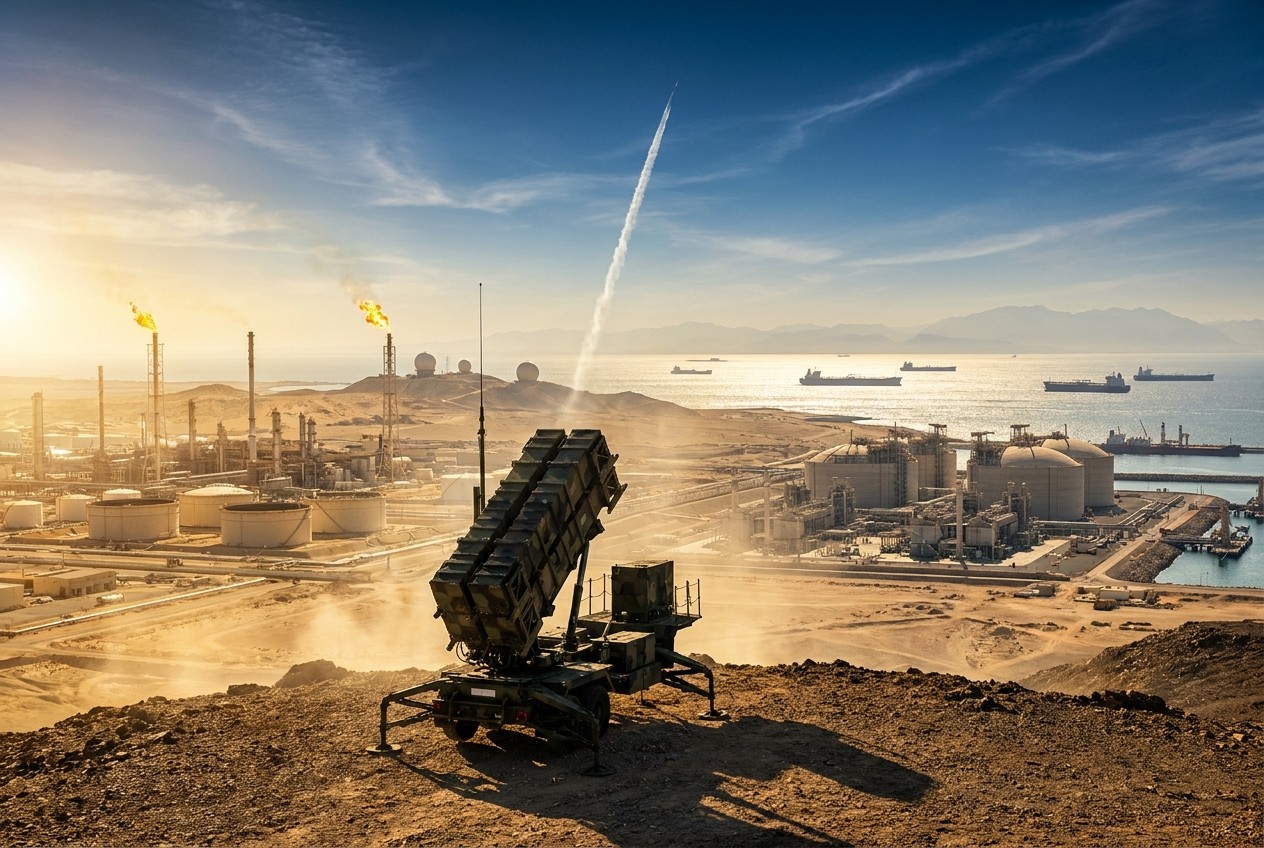
The deployment places American air defense assets over two of the world's most consequential energy sites. One battery was positioned to protect a major Saudi oil-producing facility, while the second was sent to Qatar to help shield a natural gas installation, the report stated [2]. The move comes as Washington weighs additional military action against Iran and as Gulf states seek to harden their defenses.
Officials described the Patriot batteries as defensive systems intended to deter further attacks on energy assets. The deployment was reported by Axios and confirmed through U.S. officials and a Persian Gulf regional source who spoke on condition of anonymity [1].
Deployment Comes Amid Escalation Fears
The U.S. military action follows public warnings from President Donald Trump about resuming strikes on Iran. On Thursday, Trump told reporters he has "to make a decision: either Iran signs a very fair deal, or it won’t exist any longer" [3]. In a Time magazine interview published the same day, he said new attacks on the Islamic Republic were "possible" after the U.S. election on November 3, but declined to commit to a timeline [3].
The conflict has persisted for more than seven months, and energy infrastructure in both Saudi Arabia and Qatar has come under fire from Iran during the war. A fragile ceasefire reached in the spring collapsed, with the two sides accusing each other of violating a 14-point memorandum of understanding signed on June 17 [4].
The deployments also coincide with a broader buildup of American forces in the region. Roughly 9,000 additional troops are headed toward the Middle East from San Diego as the USS Roosevelt strike group deploys, according to press remarks and prior reporting cited by Zero Hedge [5].
Iranian Strikes Hit Key Energy Sites
Two energy complexes have already been targeted. In early March, Iranian strikes hit parts of the Ras Laffan LNG liquefaction site in Qatar, forcing QatarEnergy to halt most operations, according to company statements. Operations at Ras Laffan are also constrained by shipping difficulties at the Strait of Hormuz, a chokepoint for global energy flows.
In Saudi Arabia, drone strikes on the East-West onshore pipeline on September 10 damaged pumping stations, leading the Kingdom to shut the pipeline down for two weeks, officials said. Saudi Arabia has since restarted partial operations on the pipeline, which is its primary workaround to bypass the Strait of Hormuz. Full resumption of flows of about 4 million barrels per day would likely take a few more weeks, according to the report.
The Kingdom has also restarted crude oil loadings at the Yanbu port on the Red Sea after the pipeline resumed partial service. Yanbu's importance to the oil trade was underscored when France announced Thursday that it would deploy troops and military assets to protect the port after Yemen's Houthis launched several missiles at the site [6].
Energy Supply Concerns Mount
The attack on the pipeline raised concerns about crude oil supply from the Middle East at a time of soaring fuel prices globally, analysts said. Saudi oil officials have projected that prices could soar past $180 a barrel if disruptions caused by the Iran war persist until late April, the Wall Street Journal reported [7].
Ras Laffan is the world's single biggest LNG liquefaction site, and its disruption affects global gas markets. The war's energy dimension extended to Iran itself when an Israeli attack struck the South Pars gas field Iran shares with Qatar, a strike reportedly carried out in coordination with the United States [8].
Saudi Arabia has sought additional interceptors from allies as Yemeni attacks strain its air defenses. Regional officials said the kingdom turned to allies and regional partners for help defending its airspace after the U.S., its main security provider, declined to intervene directly, with one official saying Washington's own reserves have been drained by its war efforts [9]. The U.S. deployments aim to protect the same class of energy assets from further Iranian strikes.
Conclusion
The United States has not publicly commented on the specific Patriot deployments, and no official announcement has been issued. The situation remains tense as President Trump weighs further action against Iran and as negotiators press for a diplomatic outcome [10].
Officials said the Patriot batteries are defensive measures intended to protect energy infrastructure rather than offensive assets. The war's impact on energy markets continues to be monitored, with attention focused on the Strait of Hormuz, the Red Sea shipping lanes, and the pipelines and ports that carry Gulf oil and gas to global buyers.
References
- US sends additional Patriot batteries to Saudi Arabia and Qatar: Report. 2026-10-02T19:44:59.000Z. https://www.middleeasteye.net/news/us-sends-additional-patriot-batteries-saudi-arabia-and-qatar-report
- US Sends Patriot Batteries To Defend Critical Gulf Energy Assets As Trump Weighs Renewed Iran Strikes. 2026-10-02T13:25:00.000Z. https://www.zerohedge.com/geopolitical/us-sends-patriot-batteries-defend-critical-gulf-energy-assets-trump-weighs-renewed
- US boosting military presence in Middle East – AP. 2026-10-02T09:08:21.000Z. https://www.rt.com/news/646633-iran-us-trump-carrier/?utm_source=rss&utm_medium=rss&utm_campaign=RSS
- Trump shelves Iran strike over US missile shortage – NYT. 2026-07-26T07:39:16.000Z. https://www.rt.com/news/643481-trump-shelves-iran-strike-missile/?utm_source=rss&utm_medium=rss&utm_campaign=RSS
- Trump Says "It's Possible" Iran War Could Cost Him November Midterms. 2026-10-02T15:05:00.000Z. https://www.zerohedge.com/geopolitical/trump-says-its-possible-iran-war-could-cost-him-november-midterms
- French Troops to Protect Saudi Arabian Port on Red Sea Oil Route, Macron Says. 2026-09-25T03:01:20.435Z. https://theepochtimes.com/world/french-troops-to-protect-saudi-arabian-port-on-red-sea-oil-route-macron-says-6094591
- Updated 32min ago. 2026-03-20T03:13:20.727Z. https://www.timesofisrael.com/liveblog-march-20-2026/
- Iran’s Energy Infrastructure Is Now On The Targeting List. 2026-03-18T18:03:21.000Z. https://www.twz.com/news-features/irans-energy-infrastructure-is-now-on-the-targeting-list
- Saudi Arabia Seeks Missile Interceptors as Yemeni Attacks Strain Air Defenses. 2026-09-22T06:00:00.000Z. https://www.naturalnews.com/2026-09-22-saudi-seeks-missile-interceptors-yemeni-attacks-strain-defenses.html
- Trump says hasn’t decided on major Iran strikes, Tehran getting ‘serious’. 2026-07-24T23:43:35.000Z. https://www.timesofisrael.com/trump-says-hasnt-decided-on-major-iran-strikes-tehran-getting-serious/
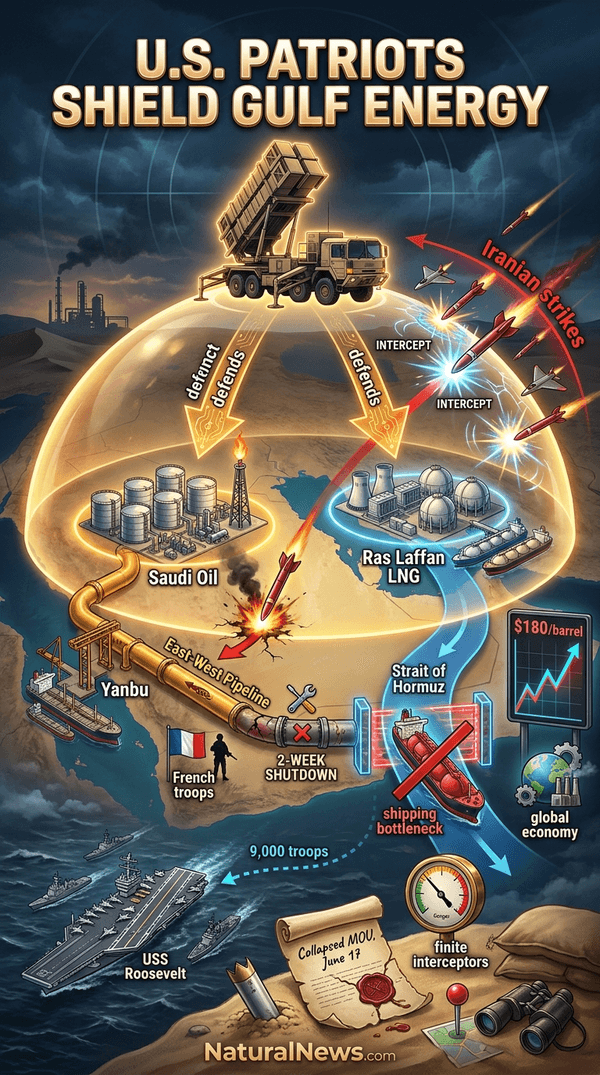
Explainer Infographic






Please contact us for more information.


