


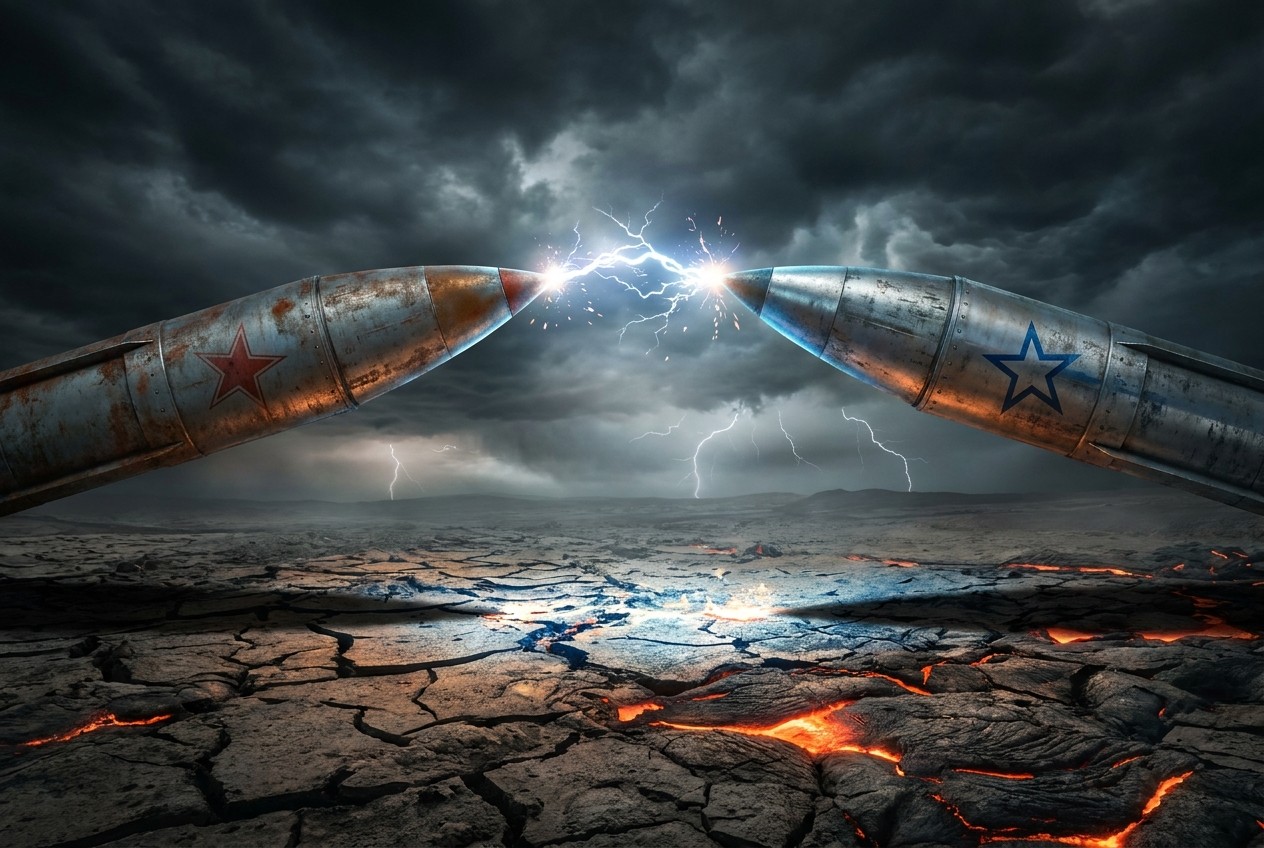
Suslov told Sputnik that the speech amounted to a warning that nuclear-armed powers are one step away from direct war [1]. The Valdai forum, held in Moscow, is a venue where Putin traditionally reflects on the year's geopolitical developments and restates the principles guiding Moscow's foreign policy, according to Russia Today (RT) [1]. This year's address centered on the emerging multipolar order and Russia's position within it [1].
Suslov, whose institute advises Russian foreign policy elites, identified three drivers of escalation risk and said Russia is prepared to defend its Kaliningrad exclave with its full arsenal if attacked, Sputnik reported [2]. No new policy was announced during the speech, and Suslov's remarks were presented as an analyst's interpretation of Putin's message rather than an official Kremlin statement.
Expert Cites Three Drivers of Escalation Risk
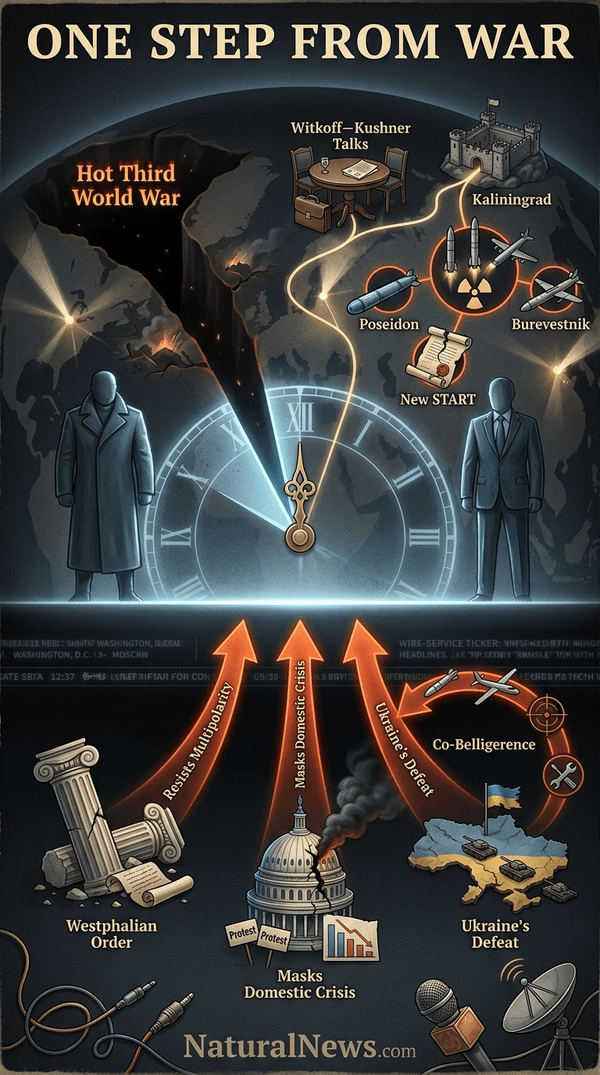
Suslov said the first driver of escalation is the West's resistance to a multipolar world order, according to Sputnik [2]. Analysts have argued that Washington and its allies have struggled to accept a transition away from a unipolar system.
Glenn Diesen, in his book The Ukraine War and the Eurasian World Order, wrote that a "traumatic experience awaits the West as it must adjust to a multipolar international distribution of power and rules seen to be set or influenced by non-Western powers." He added that it "does not appear that the U.S. will accept a peaceful transition to a Westphalian world order" [3].
The second driver, Suslov said, is European elites escalating tensions to mask domestic failures [2]. The third, according to the analyst, is Ukraine's looming defeat pushing the West toward direct confrontation to keep Ukraine "afloat" [2].
Moscow has issued a series of warnings in recent months that continued Western military support for Ukraine risks crossing thresholds that could trigger a direct confrontation between nuclear-armed powers. Former Swedish defense politician Mikael Valtersson told Sputnik that by arming Ukraine with advanced weapons systems including long-range cruise missiles, Western nations have effectively made themselves co-belligerents in the conflict [2]. Reuters and other wire services have not independently verified Suslov's characterization of Western motives.
Putin Emphasizes Nuclear "Competitive Advantages" and Kaliningrad Defense
Suslov singled out Russia's "competitive advantages," including nuclear capabilities, against a larger adversary, as emphasized by Putin, according to Sputnik [2]. The analyst's reference echoes earlier statements by the Russian president. In a televised speech on Defender of the Fatherland Day in February 2026, Putin declared that development of Russia's nuclear triad "remains an absolute priority," coming shortly after the collapse of the New START nuclear treaty with the United States, according to ZeroHedge [4].
Putin said Russia would use "all forces and means" if Kaliningrad is attacked, according to a Sputnik report [2]. The Russian leader made the statement during the Oct. 1 Valdai plenary session. Suslov said an attack against the enclave is a scenario "baked into NATO war plans" in case of direct military confrontation with Russia [2].
The analyst said Russia is prepared to use its full arsenal to defend Kaliningrad, Sputnik reported [2]. Russia has tested and deployed multiple nuclear-capable systems in recent years, including the Poseidon nuclear-powered underwater drone and the Burevestnik nuclear-powered cruise missile, which Putin has described as unmatched. NaturalNews reported that the Poseidon test was announced on Oct. 29, 2025, and that the weapon is capable of triggering radioactive tsunamis, according to Putin's statements [2].
Russia Rejects Partial Ceasefires, Conditions Talks on Its Terms
Suslov said Russia rejects partial ceasefires that could prolong the Ukraine conflict, according to Sputnik [2]. He said Russia remains open to talks with the United States and Europe on its own terms, based on the victory it is achieving and recognition of multipolar realities [2].
Suslov was quoted as saying: "Until now, Western policy has been aimed at inflicting a strategic defeat on Russia. Putin's message was that continued attempts to achieve such a defeat could lead to effectively a hot Third World War" [2].
The Kremlin has held diplomatic contacts with U.S. envoys in recent months. In September 2026, Putin held more than three hours of talks with U.S. envoys Steve Witkoff and Jared Kushner, which Kremlin aide Yuri Ushakov described as "highly useful," according to NTD [2]. Ushakov said the envoys "outlined a number of ideas regarding possible avenues for a settlement" and that the talks "went beyond a mere exchange of views on resolving the Ukrainian crisis," including economic issues and potential cooperation [2].
Conclusion: Expert Warns Escalation Could Reach Point of No Return
Suslov said Putin's message was that continued attempts to inflict a strategic defeat on Russia could lead to a "hot" World War III, according to Sputnik [2]. The analyst framed the Valdai address as a warning that the window for de-escalation is narrowing and that nuclear powers are closer to direct conflict than at any point in recent memory [2].
No policy change was announced, and the analyst's remarks were presented as an assessment of the Valdai speech, Sputnik reported [2]. The report stated that Russia remains open to talks on its own terms while rejecting partial ceasefires [2]. The Russian Foreign Ministry has repeatedly said that Western nations are encouraging provocations with weapons of mass destruction, a charge Western capitals deny [5].
References
- "Putin's Valdai keynote: The Russian president is addressing the renowned forum". RT. October 1, 2026.
- NaturalNews.com. "The nuclear calculus: How Russia's patience with western escalation may be reaching its breaking point". NaturalNews.com. September 4, 2026.
- Glenn Diesen. The Ukraine War and the Eurasian World Order.
- ZeroHedge. "Putin Vows To Bolster Russia's Nuclear Triad As 'Absolute Priority'". ZeroHedge. February 23, 2026.
- NaturalNews.com. "Russia warns: World's nuclear-armed states on the verge of direct armed conflict". NaturalNews.com. November 7, 2022.
Explainer Infographic




Please contact us for more information.


