


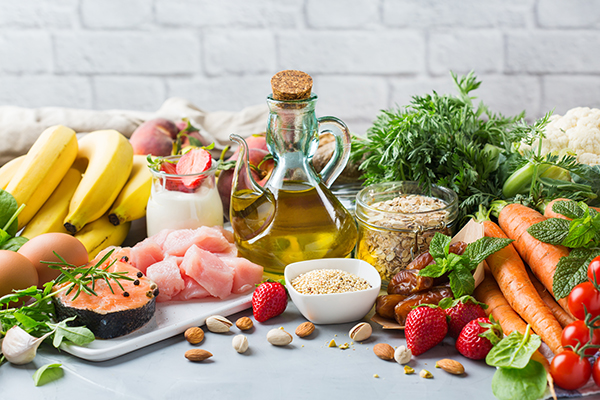
- A German study of 7,500 adults found ten distinct healthy eating styles (e.g., Mediterranean, Nordic, DASH) all linked to slower biological aging, emphasizing that consistency in whole, nutrient-rich foods—not rigid adherence to a specific diet—is key to longevity.
- All ten diets share core elements like vegetables, fruits, whole grains, legumes and healthy fats (e.g., olive oil, omega-3s), which reduce inflammation and support cellular repair regardless of cultural or regional dietary labels.
- Even modest improvements (e.g., swapping fried foods for roasted vegetables) correlate with slower aging; only 18 participants achieved top diet scores, proving that small, sustainable changes matter more than strict perfection.
- Diets rich in antioxidants (berries, leafy greens) and anti-inflammatory foods (fatty fish, herbs like ginger) counteract chronic inflammation—a major driver of aging and disease—while processed foods and industrial oils accelerate it.
- Diet works in tandem with sleep, physical activity and sunlight for optimal health, creating a "multi-pronged defense" against aging. The study emphasizes practical, adaptable habits over rigid rules for long-term well-being.
For decades, the diet world has been a battleground of conflicting advice, with proponents of keto, vegan, low-carb and other regimens each claiming their approach is the ultimate path to longevity. But a groundbreaking study from Germany offers a liberating message: there's no single "best" diet. By analyzing the DNA of 7,500 adults, researchers found that ten distinct healthy eating styles—from the Mediterranean to the Nordic—were all linked to slower biological aging. Published in Nature Communications in August 2026, the study challenges the notion that rigid adherence to a specific diet is necessary for health. Instead, it suggests that consistency in eating nutrient-rich, whole foods—regardless of the label—can help your body age more gracefully.
Your cells keep a record of what lands on your plate
The human body carries a biological clock that measures cellular aging, often at odds with a person's chronological age. Scientists use "epigenetic clocks," which analyze chemical tags on DNA to estimate how quickly a body is aging. In this study, researchers examined over 850,000 DNA sites in blood samples from 6,470 Germans, with an additional 1,034 participants confirming the findings. By comparing these epigenetic markers with participants' eating habits, the team discovered that healthier diets correlated with slower aging. The key takeaway? Your cells respond not to the name of your diet, but to the quality of the food you eat.
Ten different eating styles slow the same aging clock
The study evaluated ten well-known dietary patterns, including the Mediterranean, Nordic, DASH (Dietary Approaches to Stop Hypertension) and MIND (Mediterranean-DASH Intervention for Neurodegenerative Delay) diets. Remarkably, all ten showed similar benefits in slowing biological aging. While each diet has unique components—DASH emphasized heart health, and MIND focused on brain function—they shared overlapping biological pathways, such as reducing inflammation and supporting cellular repair. This overlap suggests that common elements across these diets, like vegetables, whole grains and healthy fats, are the true drivers of longevity.
Almost nobody eats perfectly, and the benefits show up anyway
One of the study's most empowering revelations is that perfection is unnecessary. Yet even modest improvements in eating habits correlated with slower aging. For example, a person who occasionally swaps fried foods for roasted vegetables or adds a handful of berries to their breakfast is still making a meaningful impact. The research team emphasized that flexibility is key: "You don't need a perfect diet to reap the rewards," they wrote. This finding debunks the myth that strict adherence to a single diet is required for health.
The study highlights that the benefits of these diets stem from shared staples, not exotic or expensive ingredients. Vegetables, fruits, whole grains, beans and fish appeared across all ten healthy patterns. Olive oil, herbs and spices like turmeric and ginger also showed up frequently, likely due to their anti-inflammatory properties. These foods are not only affordable but also culturally adaptable. Whether you prefer Mediterranean olive oil, Nordic rye bread, or DASH-style legumes, the goal is to prioritize whole, minimally processed foods. As one expert noted, "You don't need a special cookbook—just a plate full of color and variety."
Aging well starts with a stronger defense system
The study found that diets rich in antioxidants and omega-3 fatty acids helped calm this inflammation. Foods like leafy greens, fatty fish and berries act as natural "firefighters," neutralizing free radicals that damage cells. Meanwhile, processed foods—loaded with sugar, refined grains and industrial oils—fan the flames of inflammation. By swapping these out for whole foods, individuals can give their immune systems a much-needed boost, allowing their bodies to repair and defend themselves more effectively.
Cool the inflammatory side of your diet
Reducing inflammation doesn't require an overhaul of your entire diet. Simple swaps, like replacing white bread with whole grain options or cutting back on sugary snacks, can make a difference. Spices like garlic, ginger and rosemary have been shown to reduce inflammation, while green tea and berries add antioxidant power. The study also points to the importance of avoiding industrial seed oils (like corn or soybean oil), which are linked to chronic inflammation and oxidative stress. Instead, opt for healthy fats like olive oil, avocados and nuts.
The study's practical advice is clear: start with the foods all healthy diets agree on. Fill half your plate with colorful vegetables and fruits, which provide vitamins, minerals and phytonutrients that protect cells. Pair these with whole grains like oats or quinoa for sustained energy and beans or legumes for plant-based protein. Incorporate fatty fish twice a week for omega-3s, and use herbs and spices to enhance flavor without salt or sugar. The goal isn't to follow a strict plan but to build a sustainable routine that your body—and taste buds—can enjoy for years.
The role of lifestyle beyond the plate
Sleep, physical activity and sunlight exposure (for vitamin D synthesis) all play critical roles in cellular health. For example, poor sleep disrupts hormone balance and weakens the immune system, while regular movement improves circulation and reduces inflammation. The researchers noted that these habits work synergistically with diet, creating a "multi-pronged defense" against aging.
"Proper nutrition supports cellular health, reduces oxidative stress and mitigates age-related chronic diseases, thereby promoting healthy aging," said BrightU.AI's Enoch. "Key nutrients like antioxidants, omega-3 fatty acids and fiber help maintain cognitive function, bone density and metabolic balance as the body ages. Poor dietary habits accelerate aging processes through inflammation, muscle loss and weakened immunity while a balanced, nutrient-rich diet can enhance longevity and quality of life."
Health Ranger Mike Adams discusses why diets are obsolete. It's really about eating clean food.
This video is from the Health Ranger Report channel on Brighteon.com.
Sources include:










Please contact us for more information.


