


- Flavonoids in common foods are strongly linked to reduced cognitive decline. A major meta-analysis of 37 studies found that a high dietary intake of these plant compounds is associated with a significantly lower risk of age-related cognitive impairment.
- Anthocyanins (found in blueberries, blackberries and cherries) are linked to a 27% lower risk and flavones (found in celery, artichokes and parsley) to a 23% lower risk.
- Flavonoids act as antioxidants, combat inflammation, enhance blood flow to the brain and may help prevent the buildup of Alzheimer's-related beta-amyloid plaques.
- Flavonoid-rich foods are a powerful, evidence-based addition to foundational healthy practices like a balanced diet, exercise and good sleep, not a replacement for them.
- Increasing intake requires no prescription; it involves intentionally incorporating foods like berries, citrus fruits, leafy greens, herbs and tea into one's regular diet.
In an era where the fear of dementia looms large over an aging global population, a simple, proactive strategy for preserving mental acuity may be found not in a pharmacy, but in the produce aisle. A sweeping new analysis of decades of research concludes that flavonoids—natural compounds abundant in common fruits, vegetables and teas—are associated with a significantly lower risk of age-related cognitive decline. This research, synthesizing data from 37 distinct studies, offers a compelling, accessible dietary approach to fortifying the brain, suggesting that what we eat today directly invests in the clarity of our tomorrow.
The weight of the evidence
The meta-analysis, published in the peer-reviewed journal Molecular Nutrition & Food Research, provides some of the most robust evidence to date on the link between diet and cognitive longevity. By aggregating and analyzing numerous observational studies, researchers found that a high habitual intake of flavonoids is associated with a 17% lower overall risk of cognitive impairment. The protective effect was even more pronounced for specific flavonoid subtypes, turning the findings from a general recommendation into a targeted dietary strategy.
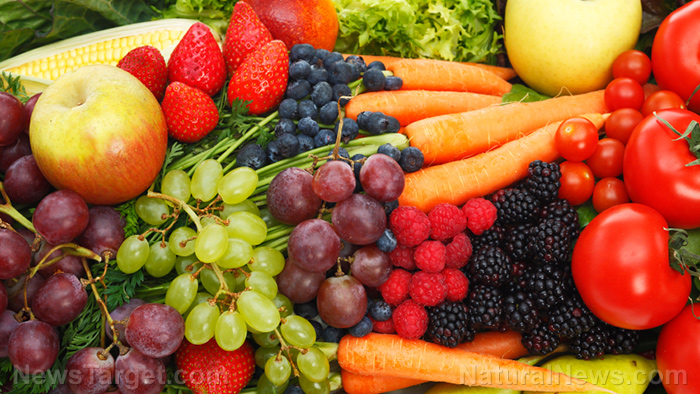
Two classes of flavonoids emerged as particularly potent guardians of the mind. Anthocyanins, the pigments that give blueberries, blackberries, red grapes and cherries their vibrant hues, were linked to a striking 27% reduction in risk. Flavones, found in foods like celery, artichokes and parsley, were associated with a 23% lower risk. This granularity moves the science beyond simply "eat more plants" and toward identifying the most powerful components within a healthy diet.
How a blueberry protects neurons
The question of how these compounds work is where the science becomes truly fascinating. Researchers propose a multi-pronged defense strategy. Flavonoids are potent antioxidants, meaning they neutralize harmful molecules called free radicals that can damage brain cells over time. They also combat chronic, low-grade inflammation, a known contributor to neurological decline.
Perhaps most significantly, evidence suggests flavonoids may enhance cerebral blood flow, ensuring neurons receive ample oxygen and nutrients and could even interfere with the accumulation of beta-amyloid plaques. These sticky protein clumps are a hallmark physical sign of Alzheimer's disease in the brain and the possibility that dietary components might help block their formation is a groundbreaking avenue of research.
No magic bullet, but a powerful ally
Flavonoids are not a cure, nor a standalone magic bullet. The research underscores they are a powerful enhancement to a foundation of healthy living. That foundation remains unchanged: a balanced diet overall, adequate and quality sleep, regular physical activity and effective stress management. Flavonoid-rich foods should be seen as a strategic layer of protection built upon these essential pillars, not a replacement for them.
The urgency of this research is underscored by history and demography. For generations, cognitive decline was often viewed as an inevitable, untreatable consequence of aging. The late 20th and early 21st centuries witnessed a painful series of failed drug trials aimed at curing Alzheimer's, highlighting the disease's complexity and the inadequacy of seeking a single, late-stage pharmaceutical solution. This repeated frustration has driven a paradigm shift toward prevention and lifestyle interventions, making dietary research like this not just interesting, but imperative.
From lab to shopping list
The practical application of this science is beautifully simple. Incorporating flavonoid-rich foods requires no prescription, only intention. Berries, both fresh and frozen, are anthocyanin powerhouses. Citrus fruits, apples and tomatoes are excellent sources of other beneficial flavonoids. For flavones, one can turn to celery, artichokes and fresh herbs like parsley. Even beverages like tea and, in moderation, red wine, contribute to intake.
An encouraging aspect of focusing on flavonoids is that they pay a health dividend far beyond the brain. These compounds are already celebrated for their benefits to cardiovascular health, for reducing the risk of certain cancers and for their general anti-aging properties. Therefore, prioritizing them in one's diet is a low-risk, high-reward strategy. Even as the precise mechanisms for brain protection are further refined, the overall health argument for consumption is already overwhelmingly positive.
While the observational data is strong, the scientific community rightly calls for more research. Large-scale, long-term clinical trials are needed to move from observing an association to confirming a direct cause-and-effect relationship. Furthermore, research must continue to pinpoint optimal amounts and the potential synergistic effects of consuming these compounds within whole foods, as opposed to isolated in supplement form.
The empowering takeaway
The final message of this research is one of empowerment amidst a often-frightening health landscape. In the face of a complex challenge like cognitive decline, individuals are not powerless. The meta-analysis provides a clear, actionable and evidence-based tool: consciously and consistently choosing foods rich in flavonoids. It transforms a routine trip to the grocery store into an act of preventative care.
"Flavonoids act as antioxidants primarily by scavenging and neutralizing harmful free radicals," said BrightU.AI's Enoch. "They also inhibit oxidative damage by chelating metal catalysts that can promote these reactions. Additionally, flavonoids help activate the body's own antioxidant enzymes for further protection."
Ultimately, this study reinforces a profound yet simple truth long understood in principle but now fortified by data: nourishing the body nourishes the mind. As the global population ages, such accessible, natural strategies for preserving independence and quality of life are not merely dietary advice—they are a critical component of public health. The path to maintaining a sharp mind may, quite literally, be lined with berries, greens and a cup of tea.
Watch and discover why Anthocyanin-rich berries and beets are best for health.
This video is from the Groovy Bee channel on Brighteon.com.
Sources include:










Please contact us for more information.


