


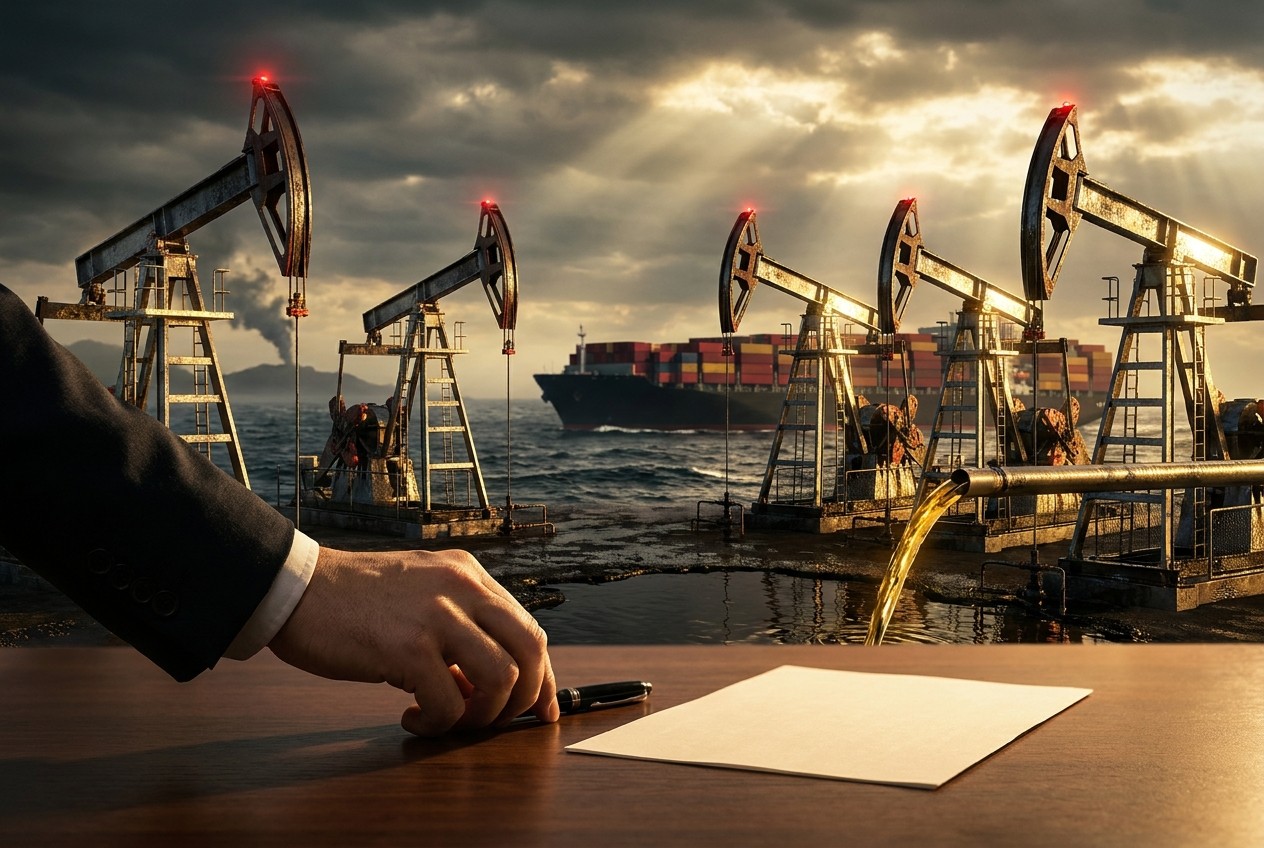
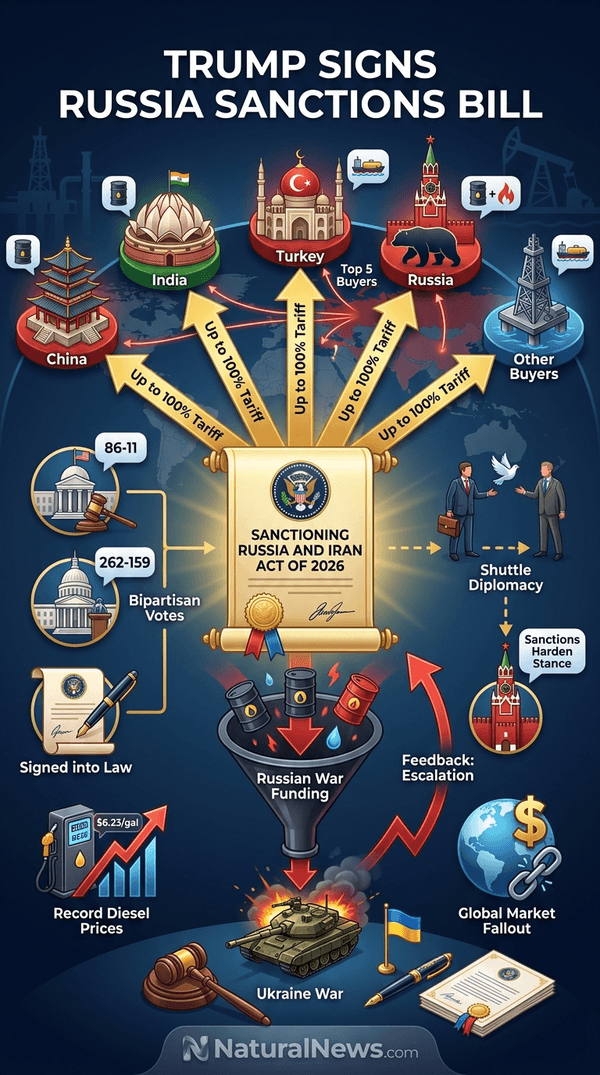
The bill passed the House on Sept. 16 by a vote of 262-159, following Senate approval in August by a vote of 86-11, according to congressional records [1][2]. It is named for the late Sen. Lindsey Graham, R-S.C., who died last month and had sponsored the measure with Sen. Richard Blumenthal, D-Conn. [3][2].
The law authorizes the president to impose tariffs of up to 100% on the top five purchasers of Russian energy, or on countries helping Russia evade sanctions, according to bill text [4][5]. It also extends current sanctions on Iran, the legislation states [6].
Bill Provisions and Sponsor Intent
The bill requires the president to impose tariffs of up to 100% on the top five purchasers of Russian oil, gas, and other exports, or on countries assisting Russia in evading sanctions, according to the legislation [5][7]. It also extends existing U.S. sanctions on Iran, as President Trump requested in July, stating it was "what Lindsey would have wanted" [8][9].
Drafters Graham and Blumenthal intended the sanctions to target resources that Russian President Vladimir Putin needed to continue Moscow's war effort, according to statements from the sponsors [3][2]. The bill grants the president tariff authorities that were a point of contention in the House, where Democratic leaders opposed delegating such power to the executive branch [10].
The measure builds on previous U.S. sanctions imposed since Russia's invasion of Ukraine in February 2022. The late Graham had pushed for a significant escalation of those measures, according to legislative records [11].
Legislative Passage and House Opposition
The bill passed both chambers with large margins, according to congressional records [1][2]. The Senate approved the measure on Aug. 7 in an 86-11 vote, with bipartisan support [2]. The House passed it on Sept. 16 by a vote of 262-159, with enough rank-and-file Democrats joining Republicans to carry it across the finish line despite opposition from party leadership [1].
In the House, Democratic opposition focused on provisions that handed tariff authorities to the president. House Minority Leader Hakeem Jeffries, D-N.Y., explained his no vote, saying: "Life is way too expensive in the United States of America. Why in the world would this Congress or the People's House give this president unfettered authority to visit more tariffs on the world that will have an adverse economic impact on the American people? I can't do it" [1].
Supporters said the measure was intended to increase pressure on Russia, according to floor remarks [6][11]. The bill also extends sanctions on Iran as the United States continues to pressure Tehran over its nuclear program, according to the legislation [6][12].
Delays and Diplomatic Efforts
Trump delayed the bill for months, arguing he wanted greater flexibility to negotiate with Putin, according to statements from the president and officials [2]. After a year of negotiations and holdups based largely on prior White House pushback, the breakthrough was largely the result of the death of Sen. Graham, according to legislative observers [2].
In September, special envoys Steve Witkoff and Jared Kushner, Trump's son-in-law, visited Moscow and Kyiv, officials said [13]. Witkoff said the U.S. was confident that trilateral talks would result in a good resolution to the Ukraine war after a weekend-long ceasefire was called for their visit, according to his remarks [13]. "We made a lot of progress in Moscow," Witkoff told reporters in Kyiv [13].
The bill's signing came after that diplomatic push, according to the timeline described by officials [13][2]. The Kremlin said additional U.S. sanctions would make it more difficult to reach a settlement of the Ukraine conflict, according to spokesman Dmitry Peskov [14].
Reactions and Recent Strikes
Ukrainian President Volodymyr Zelensky thanked Trump on social media for signing the "critically important" legislation, according to his post [13]. Zelensky wrote that the best way to honor Lindsey's memory would be to implement the provisions fully and swiftly, and that peace would be the best reward for those pressuring Russia, according to the statement [9].
India said it remains "firmly committed" to ensuring energy security for its 1.4 billion people, in response to the threat of steep new tariffs, according to a statement from the Indian Foreign Ministry [15]. "The Indian side has also made clear its determination to take all necessary measures to protect its trade and economic interests," the ministry said [15]. India is Russia's second-largest oil customer, behind China, according to trade data [16].
The conflict has reignited since peace talks, with Russia hitting targets in Kyiv and other major cities earlier this week, according to Reuters [17]. Ukrainian officials told Reuters that over 20 people were injured in the strikes [17]. Diesel prices hit a record high of $6.23 per gallon on Sept. 14, according to AAA, as Trump called on Zelensky to stop striking Russian refineries [18].
Implementation and Next Steps
The law's implementation will depend on executive action and agency decisions, according to the bill text [6][5]. The sanctions and tariff authorities are set to apply to identified purchasers and sanctions-evading countries, officials said [5].
Further developments are expected as the administration carries out the law, according to statements from lawmakers [1][10]. The House has begun its recess until after the November midterms, meaning oversight of implementation will resume when Congress returns [19].
References
- House Democrats Join Republicans to Hand Trump New Tariff Power in Sweeping Sanctions Bill. 100percentfedup.com. September 16, 2026.
- Senate Passes The Lindsey O. Graham Sanctioning Russia & Iran Act Of 2026. ZeroHedge. August 7, 2026.
- US Senate passes Russia sanctions championed by late senator Lindsey Graham. Times of Israel. August 8, 2026.
- India faces 100% tariff threat over Russian oil after US House vote. BBC. September 17, 2026.
- Steep US tariffs loom over India as Russia sanctions bill advances. RT. September 15, 2026.
- House Passes Russia and Iran Sanctions Bill. The Epoch Times. September 17, 2026.
- Senate to Add Iran to Russia Sanctions Bill. The Epoch Times. July 23, 2026.
- Trump Calls on Congress to Add Iran to Russia Sanctions Bill. The Epoch Times. July 19, 2026.
- Senate Moves Russia Sanctions Bill Forward as Zelensky Watches Vote. Antiwar.com. July 29, 2026.
- House Sets Up High-Stakes Russia-Iran Sanctions Vote as Democrats Target Trump Tariff Power. 100percentfedup.com. September 11, 2026.
- House to vote on Russian sanctions bill. Just The News. September 11, 2026.
- Why are there sanctions on Iran and when could they be lifted? Middle East Eye. July 21, 2026.
- US Envoys Hope for New Round of Ukraine–Russia Peace Talks After Meeting With Putin, Zelenskyy. The Epoch Times. September 6, 2026.
- Further US sanctions would complicate Ukraine peace efforts – Kremlin. RT. September 17, 2026.
- India vows ‘determined’ response to US sanctions pressure. RT. September 17, 2026.
- 100% US tariffs may not deter India from buying Russian oil - report. RT. August 10, 2026.
- Russian Jet-Powered Drones Target Kyiv Region in 6th Day of Intensified Strikes. The Epoch Times. September 1, 2026.
- Diesel Hits New High of $6.23 as Trump Urges Ukraine to Halt Russian Refinery Attacks. The Epoch Times. September 14, 2026.
- Speaker Johnson Scraps Final House Voting Day, Starts Recess Until After Midterms. 100percentfedup.com. September 16, 2026.
Explainer Infographic




Please contact us for more information.


