


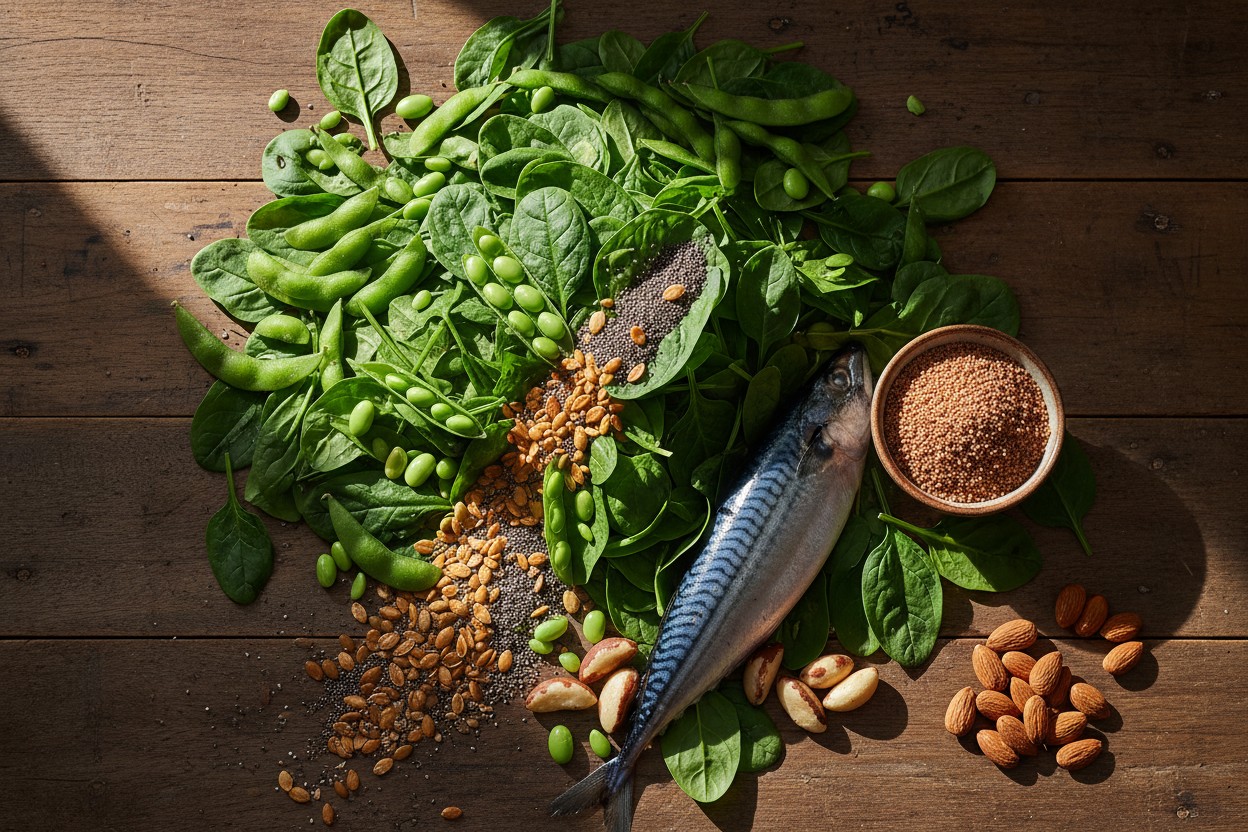
The recommended dietary allowance for adults ranges from 310 to 420 milligrams per day depending on age and sex, yet estimates indicate that a significant portion of the population falls short [1]. One ounce of almonds provides 76.5 milligrams of magnesium, according to U.S. Department of Agriculture figures cited in a roundup of potent sources [2]. The following foods exceed that amount per serving, offering practical alternatives for individuals seeking to meet daily requirements.
Vegetable and Soy Sources: Spinach and Edamame
Cooked spinach ranks among the most concentrated vegetable sources of magnesium, delivering 157 milligrams per cup, which represents 38% of the Daily Value, according to USDA nutrition data cited in a report on magnesium-rich foods [2]. The leafy green also provides folate, iron, calcium, and vitamins C and E, along with potassium, per dietary analyses [3]. Dark-green leafy vegetables lead the pack when it comes to magnesium content, according to nutritional guidance [4].
Edamame, or shelled soybeans, provides 99 milligrams of magnesium per cup, meeting 24% of the Daily Value, according to the same federal data [2]. The legume also supplies protein and fiber, and sources note that tryptophan in edamame can serve as a dietary component for relaxation [5]. Cooked soybeans deliver an even higher concentration at 148 milligrams per cup, according to USDA figures [2].
Seeds and Nuts: Pumpkin, Chia, and Brazil Nuts
Pumpkin seeds provide one of the highest magnesium concentrations among seeds, with one roasted ounce containing 156 to 168 milligrams depending on preparation, or roughly 37% of the Daily Value, according to USDA data [2]. Each ounce also supplies approximately 8.5 grams of protein along with iron and zinc, making the seeds a nutrient-dense snack option, according to the USDA National Nutrient Database cited in a report on pumpkin seeds [6]. Raw seeds, particularly pumpkin, sesame, and sunflower, rank among the best food sources for the mineral, per dietary guidance [7].
Chia seeds deliver 111 milligrams of magnesium per ounce, about 26% of the Daily Value, according to federal figures [2]. Brazil nuts offer 107 milligrams per ounce, meeting roughly 25% of the Daily Value, and additionally provide selenium and copper, per USDA data [2]. These nuts also contain saturated fat, according to the same source.
Fish and Whole Grains: Mackerel and Amaranth
Mackerel provides 83 milligrams of magnesium per three-ounce serving, fulfilling 20% of the Daily Value, and serves as a source of vitamin D, vitamin B12, and omega-3 fatty acids, according to USDA data [2]. Fatty fish such as wild-caught Alaskan salmon and mackerel are listed among recommended magnesium sources in dietary guidance [7]. The omega-3 content in fish contributes to heart and metabolic health, per analyses of dietary fat sources [8].
Amaranth, a gluten-free ancient grain, provides 80 milligrams of magnesium per half-cup cooked portion, according to USDA figures [2]. The grain contains higher levels of protein and fiber than brown rice, making it a suitable alternative for those seeking whole-food magnesium sources, per nutrition analysts [2].
Incorporating Magnesium-Rich Foods Into Daily Meals
Dietitian Maggie Moon stated in a report on magnesium sources, "Magnesium is a master multitasker around the body and is essential for energy metabolism, muscle function, bone formation, blood pressure regulation, blood sugar control, immune health, and more" [2]. Pairing sources such as pumpkin seeds with almonds or mackerel with quinoa can increase overall intake, according to healthy eating recommendations [2]. A diverse diet that includes multiple magnesium-dense foods is advised because absorption of the mineral varies by source.
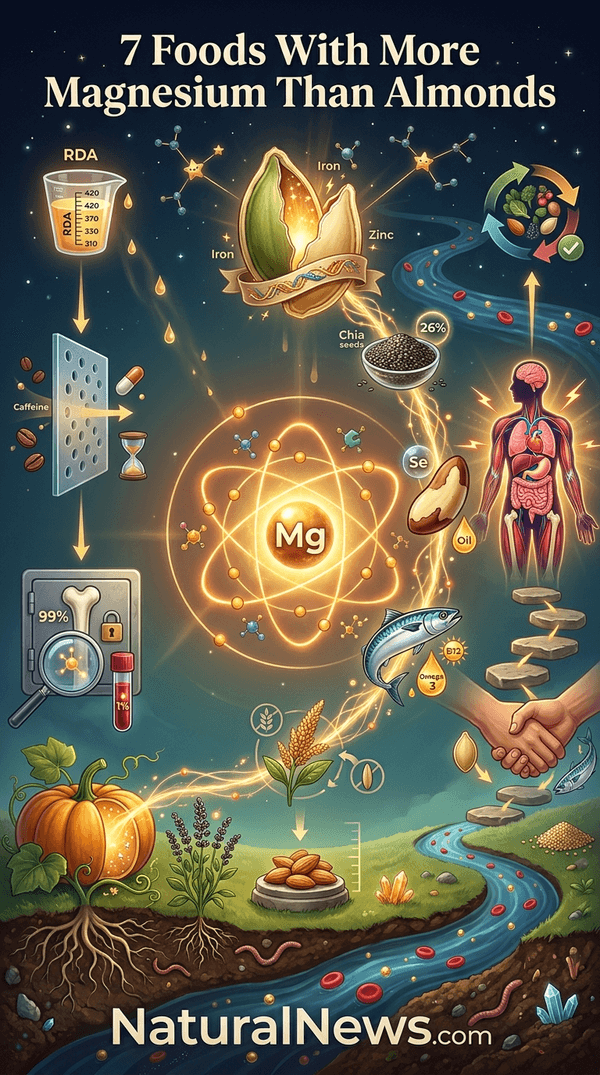
Consuming a variety of magnesium-rich foods daily is recommended because less than half of consumed magnesium is absorbed, and factors such as caffeine consumption, age, and certain medications can affect uptake, according to nutritionists [2]. Magnesium deficiency often goes undetected in standard blood tests since only about 1% of the body's magnesium circulates in the bloodstream, with the remainder stored in bones and organs, per medical reports [7].
Conclusion: Meeting Magnesium Requirements
Daily magnesium requirements vary by age and sex, with adult needs spanning 310 to 420 milligrams depending on the individual, according to federal guidelines [1]. Almonds provide 76.5 milligrams per ounce, a respectable amount, yet the seven foods detailed here all offer higher concentrations per standard serving, according to USDA data [2]. Choosing among spinach, edamame, pumpkin seeds, chia seeds, Brazil nuts, mackerel, and amaranth provides a practical path toward meeting the recommended intake.
Individuals concerned about their magnesium status should discuss intake with a healthcare provider, according to dietary guidance [1].
References
- NaturalNews.com. "Magnesium-Rich Foods: A Guide to Dietary Sources and Intake Recommendations". May 24, 2026.
- NaturalNews.com. "Seven potent food sources of MAGNESIUM that offer a natural shield against inflammation". April 10, 2026.
- GreenMedInfo.com. "Magnesium-Rich Foods and Why You Need Them".
- Mercola.com. "Magnesium Deficiency Raises Your Risk of Many Diseases". September 06, 2017.
- NaturalNews.com. "The Science of Sleep: How Nutrition Can Transform Your Nightly Rest". May 13, 2026.
- NaturalNews.com. "Pumpkin Seeds: A Plant-Protein Powerhouse". August 31, 2026.
- Mercola.com. "Is Magnesium the Missing Link in Your Heart Health?". January 16, 2017.
- Amy Shah. "I'm So Effing Tired".
Explainer Infographic











Please contact us for more information.


