


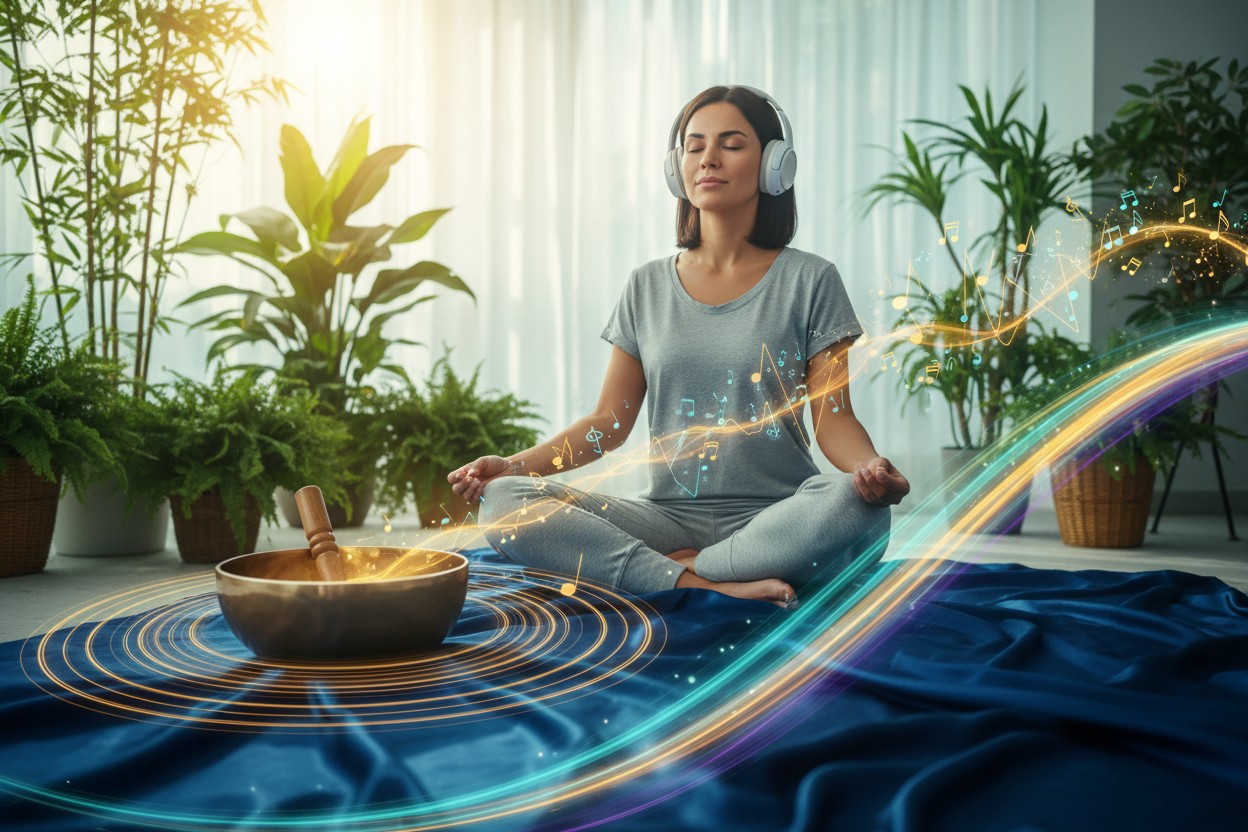
Sound and Music Used in Treatment for Anxiety and Chronic Pain
A report published by The Epoch Times on July 18, 2026, stated that sound and music are being used to treat conditions including anxiety and chronic pain. According to the report, sound changes the body by slowing heart rate, lowering stress hormones, and altering pain perception. The report said an approach once dismissed as new age relaxation has moved into treatment settings.
Earlier reporting has noted that many aches and pains are rooted in brain processes that can be affected by mental attitude and emotions, and that the brain, along with thoughts and emotions, plays a role in experiencing physical pain [1]. Research described in books on pain management also found that listening to or playing appropriate music can slow breathing and heart rates, reduce blood pressure and muscle tension, influence brainwave patterns, and reduce pain, possibly through endorphin release [2]. The Epoch Times report quoted practitioners including board-certified music therapist Cara Gelderblom, licensed psychologist Michele Leno, and Saxon Spa Sandhurst manager Danielle Hofmann-Snell.
Nervous System and Brain Wave Effects
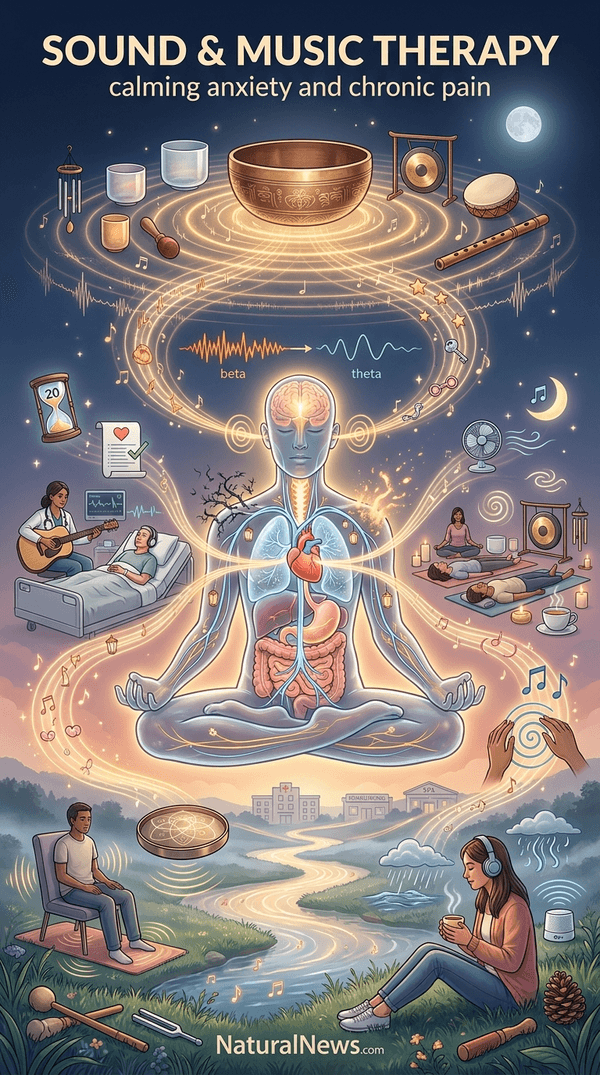
According to the report, sound healing influences brain wave states, shifting the brain toward calmer frequencies. Electroencephalogram studies cited in the report found that singing bowls increased delta and theta brain wave activity. The report described theta waves, which range from 4 to 8 hertz, as appearing during meditation and light sleep, and delta waves, below 4 hertz, as linked to deep sleep.
The report stated that sound and vibration can stimulate the vagus nerve, a key player in moving the body out of fight-or-flight mode and into a state of rest. Earlier writing on music therapy described similar effects, stating that research suggests music can influence brainwave patterns in a way that improves mood and eases stress and anxiety [2]. Other references on alternative medicine noted that music therapy has been used to reduce pain and anxiety because it affects physiologic processes such as respiratory rate and blood pressure [3].
Two Approaches: Music Therapy and Sound Healing
The report distinguished music therapy from sound healing. Music therapy, according to the report, is a structured, goal-oriented intervention guided by a music therapist and tailored to a person's needs. Sound healing, such as singing bowl or sound bath sessions, is a more passive, self-directed relaxation practice without a clinical diagnosis or treatment goal. Bill Gottlieb described a similar distinction, writing that music therapy is prescribed by board-certified music therapists using live performance, while sound healing relies on rhythmic drumming, chanting, and recordings composed specifically to bring about balance and self-healing [4].
The report cited a review of nine high-quality studies that associated music therapy with reduced pain and improved depression, with optimal sessions lasting about 20 minutes and working best when people choose their own music, use musical instruments, or use headphones. According to the report, music therapy activates brain regions involved in mood regulation and promotes the release of dopamine, endorphins, and oxytocin. Gelderblom told The Epoch Times she uses instruments to stimulate the nervous system and mind, sometimes playing live guitar, a patient's favorite pop song, or music improvised in the moment based on what the patient needs.
Sound Healing Practices and Reported Effects
The report described sound baths as a popular form of sound therapy. Danielle Hofmann-Snell told The Epoch Times that during the spa's sound healing journey, sound is combined with gentle somatic practices intended to help people reconnect with their bodies, release physical tension, and become more aware of the present moment. She said some people report greater emotional clarity, improved sleep, and a renewed sense of calm and focus.
Licensed psychologist Michele Leno told The Epoch Times that the body and mind respond to sound vibrations, which can promote relaxation. The report also mentioned vibroacoustic therapy, which uses low-frequency sound vibrations and is being explored as a sensory-based intervention for people with autism. The report said early research suggests these vibrations may influence muscle tone, blood pressure, and heart rate. Research has characterized autism as a whole-body condition with links between the gut, sensory systems, sleep, and brain function, supporting holistic approaches that go beyond behavioral symptom management [5]. Sound-based therapies have also been described as working through the theory that sound waves can directly affect individual components within the body, an approach called cymatic [6].
Incorporating Sound Into Daily Routines
According to the report, daily sound practices include listening to calming soundscapes or guided sound meditations, pairing music with mindful breathing exercises, and using white noise or a sound machine at bedtime. Hofmann-Snell said people should build small, consistent moments of intentional stillness into daily routines rather than relying only on occasional formal sessions.
Leno said sound therapy can be used alongside other treatments. She told The Epoch Times that she finds the sound of a fan improves her sleep and reduces anxiety. The report said that, for most people, sound offers one more way to support the nervous system.
Conclusion
The Epoch Times report presented sound and music as accessible tools that can be used alongside conventional care. The report did not present them as replacements for medical treatment. Proponents quoted in the report said regular practice may support sleep, eating patterns, and resilience to daily stress.
Interest in frequency-based approaches has also expanded beyond clinical settings. A Children's Health Defense article pointed to an upsurge of interest in the relationship between electromagnetism and life and questioned the growing reliance on wireless information and communication systems and the electrosmog they create [7]. The report said sound therapy remains one of several approaches that may help calm the nervous system.
References
- Dr. Mercola. "13 Mind Body Techniques That Can Help Ease Pain and Depression". Mercola.com. July 04, 2013.
- Leon Chaitow. "You Can Conquer Pain: How to Break the Pain Cycle and Regain Control of Your Life".
- "Alternative medicine".
- Bill Gottlieb. "Alternative Cures: The Most Effective Natural Home Remedies for 160 Health Problems".
- Olivia Cook. "Science Reshapes Autism Care by Looking Beyond the Brain". NaturalNews.com. April 21, 2025.
- Mariah Jager. "Alternative Therapies: An A-to-Z Guide".
- Children's Health Defense. "Frequencies, Part 1: Was Einstein Right About the Future of Medicine?". Children's Health Defense.
Explainer Infographic











Please contact us for more information.


