


Summary of Study Findings
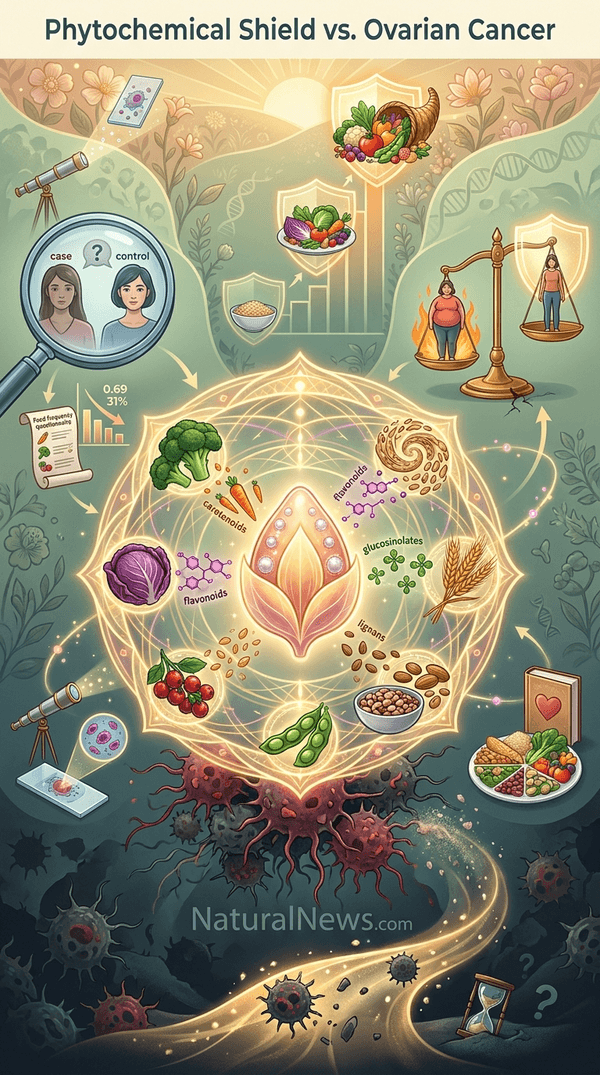
A case-control study conducted in China and published in Frontiers in Nutrition reports that women with the highest intake of phytochemicals from food had 31% lower odds of ovarian cancer compared to those with the lowest intake, according to researchers. The study involved 250 women diagnosed with epithelial ovarian cancer – the most common form of the disease – and 250 matched controls without cancer. Researchers utilized food frequency questionnaires to estimate intake of plant compounds from fruits, vegetables, whole grains, legumes, nuts, seeds, and soy.
The association remained after controlling for age, body weight, physical activity, and reproductive history, the study authors stated. A stronger inverse association was observed among women who were overweight or living with obesity, according to the report. The findings add to a body of research examining diet as a modifiable factor in cancer risk, though investigators said the observational design prevents conclusions about cause and effect.
Study Design and Detailed Findings
Researchers contacted participants at hospitals or clinics and assigned women with a recent epithelial ovarian cancer diagnosis to the case group and cancer-free women matched by age and geographical region to the control group, according to the study protocol. Detailed food questionnaires were used to estimate dietary intake, and participants were divided into tertiles – lowest, middle, and highest – based on estimated phytochemical consumption. The analysis compared ovarian cancer odds across these groups.
Data showed a dose-response pattern: as phytochemical intake increased, the odds of ovarian cancer decreased linearly, according to the study authors, who calculated an odds ratio of 0.69 for the highest versus lowest tertile. Researchers stated that the inverse link was more pronounced among women who were overweight or obese, though the interaction term for body weight did not reach statistical significance in all statistical models. The authors noted the association was independent of several established risk factors, including reproductive history and physical activity levels.
Phytochemicals: What They Are and Sources
Phytochemicals are naturally occurring compounds produced by plants, including flavonoids, carotenoids, glucosinolates, and isoflavones, according to the National Institutes of Health's dietary supplement fact sheets. Common dietary sources include berries, leafy greens, carrots, tea, olive oil, nuts, soy, and whole grains. The recent study assessed overall phytochemical intake rather than individual compounds, researchers noted, which they said reflects the reality that foods contain complex mixtures of these bioactive molecules. Reporting on cancer-fighting foods, GreenMedInfo noted that research over the past decade shows diet has a profound effect on overall health [1].
Some phytochemicals have been shown to modulate oxidative stress and inflammation in model systems, while soy isoflavones exhibit weak estrogenic activity that may influence hormone-related cancers, the report stated. Scientific literature documents that plant lignans, such as those found in flaxseeds, are converted by gut bacteria into compounds with weak estrogenic activity [2]. The study authors emphasized that varied consumption of plant foods may be more relevant than focusing on any single "superfood," a position echoed in broader nutrition literature that recommends eating a wide range of plant foods rather than isolated compounds [3].
Limitations and Need for Further Research
Because the study is observational and case-control in design, it demonstrates an association but cannot establish causality, the authors wrote in the paper. Recall bias is a possibility, as participants reported their dietary intake after a cancer diagnosis, which may affect responses, according to the researchers. The study did not control for all potential confounders, such as socioeconomic status or total energy intake, they noted. The findings have not yet been replicated in prospective cohorts, which follow healthy participants over time and are considered more robust for dietary research.
Officials at the American Cancer Society noted that diet is one of several modifiable risk factors for ovarian cancer, and more clinical and mechanistic research is warranted to confirm any protective effect. Research has also linked certain environmental exposures to increased cancer risk in women, including pesticides and PFAS chemicals, underscoring the importance of prevention strategies beyond diet [4]. Ovarian cancer is rarely found at an early stage because it typically causes few symptoms and there are no reliable screening tests for the disease, according to health officials [5].
Practical Recommendations for Increasing Plant Foods
The study's authors advised that individuals do not need to track phytochemical counts; instead, they recommend adding more plant foods to existing meals. Simple strategies include eating berries at breakfast, adding beans or lentils to soups and salads, choosing whole grains like quinoa or whole-wheat bread, and snacking on nuts and seeds, they said. The report suggested that incorporating soy products such as tofu, edamame, and tempeh can also increase intake of isoflavones and other phytochemicals. Soy foods are recognized as a unique dietary source of isoflavones, which have both hormonal and nonhormonal effects relevant to cancer prevention [6].
A spokesperson for the Academy of Nutrition and Dietetics noted that a plant-forward diet – which allows for occasional animal products – supports overall metabolic health and may reduce chronic disease risk without requiring complete exclusion of animal foods. Research on whole grains and cancer has shown that higher intake is associated with reduced risk of several cancers [7]. The study authors concluded that while more research is needed to determine whether the diet itself affects ovarian cancer risk, the findings support eating a varied mix of plant foods as part of an overall healthful dietary pattern.
References
- GreenMedInfo.com. "Cancer Fighting Foods".
- Jane Higdon. "Evidence-Based Approach to Phytochemicals and Other Dietary Factors".
- Jane Higdon. "An Evidence-based Approach to Phytochemicals and Other Dietary Factors".
- Children's Health Defense. "Women Exposed to 'Forever Chemicals' Face Increased Risk of Some Cancers".
- Everyday Health. "Ovarian Cancer". September 4, 2026.
- Rippe James M. "Lifestyle Medicine".
- Dorothy Klimis Zacas and Ira Wolinsky. "Nutritional Concerns of Women Second Edition".
Explainer Infographic







Please contact us for more information.


