



Sprints Alter Nearly a Quarter of Blood Proteins Immediately After Exercise
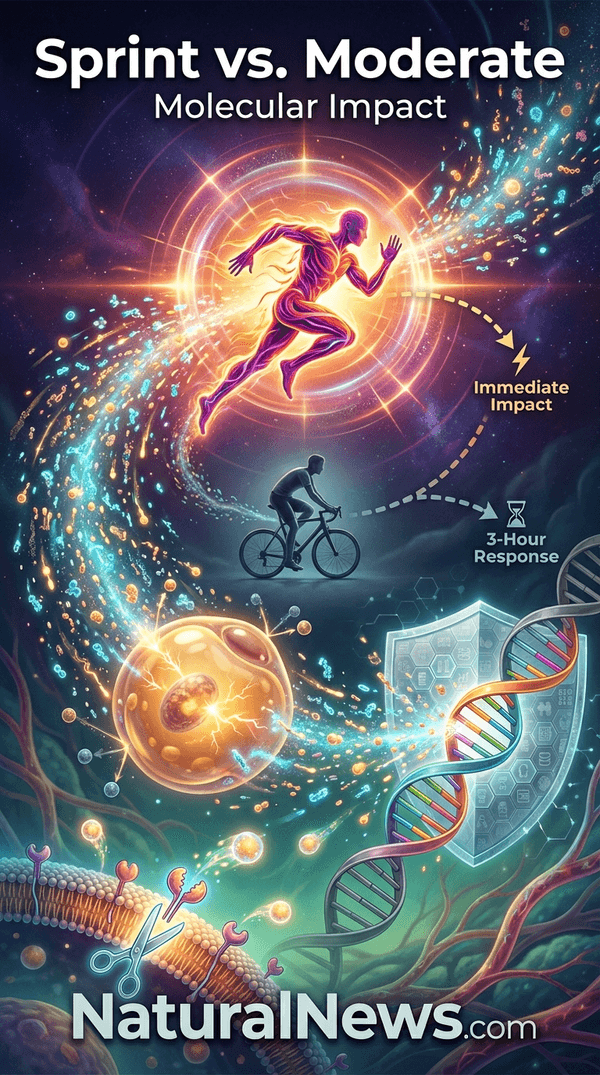
Six 30-second, all-out sprints changed approximately one-quarter of the blood proteins measured within minutes, according to a study published Aug. 21 in Cell Reports Medicine. Researchers at Rockefeller University compared the body's response to exercise performed at different intensities and found that a total of just three minutes of sprinting produced a distinct molecular surge, the study reported. The sprint workout also altered more than 200 metabolites, the researchers said.
The contrast with moderate exercise was pronounced. The study stated that 90 minutes of continuous moderate cycling altered less than 0.25% of the proteins measured immediately after the session. Earlier reporting on the findings noted the results suggest short intense sessions may deliver benefits comparable to or greater than longer moderate workouts, the researchers said [1]. The sprinting response included rapid increases in proteins involved in blood vessel growth and tissue remodeling, according to the report.
Moderate Exercise Produces Delayed and Smaller Immediate Molecular Changes
Moderate treadmill running affected more proteins than cycling, the study's authors reported, but the total still fell far short of the brief sprint session's immediate impact. In contrast to sprinting, the moderate exercise led to a substantial rise in fatty acids and liver-derived proteins only after three hours had passed, according to the research team. The delayed response appeared linked to the demands of endurance exercise, the study stated.
The difference extended to how tissues responded to the blood. Human fat cells exposed to blood collected after sprinting showed widespread changes in gene activity, including shifts in fuel processing and hormone response, the researchers observed. Fat cells exposed to blood from moderate cycling exhibited only small changes, the report said. The molecular differences indicate that exercise intensity shapes the body's immediate intercellular communication, the scientists concluded.
Many Sprint-Responsive Proteins Are Associated With Lower Metabolic Disease Risk
The research team then compared the exercise-affected proteins to health data from more than 53,000 participants in the UK Biobank, according to the report. The analysis showed that many of the proteins altered by sprinting were associated with lower risks of cardiovascular and metabolic disease, the study stated. The pattern was especially notable for obesity, Type 2 diabetes, and other metabolic disorders, researchers reported.
Among 33 proteins previously associated with lower risk of these conditions, 32 were altered by sprinting, whereas only three were affected by moderate exercise, officials said. The study's analysis also showed that more than one-quarter of those same proteins were linked to slower biological aging. The association with obesity and metabolic disease parallels long-standing observations that regular physical activity helps regulate weight and insulin sensitivity, a key factor in maintaining health, according to broader exercise literature [2].
Researchers Attribute Rapid Response to Ectodomain Shedding and Exercise Intensity
The rapid release of many proteins appears to occur through ectodomain shedding, a process in which pre-existing proteins on the surface of cells are cleaved and sent into circulation rather than being newly synthesized, the researchers explained. This mechanism, they said, allows for the near-instant molecular signaling observed after sprinting. The finding helps explain why brief, intense efforts trigger a faster bloodstream response than longer, moderate sessions, the team noted.
Study co-author Paul Cohen stated, "What's exciting here is that just a few minutes of intense exercise can trigger a significant molecular response," adding, "we still see it after eight weeks of training, which tells us this response isn't simply a product of the body struggling to keep up with unfamiliar stress" (per the Rockefeller University release). Luke Olsen, the postdoctoral fellow who conducted the studies, said exerkines -- proteins and metabolites released into the bloodstream after exercise -- are "highly sensitive to exercise intensity" and may mediate the health-promoting effects of short vigorous bursts (per the release). The concept that brief high-intensity effort can produce outsized physiological effects has been a recurring theme in exercise science [3].
Study Indicates Exercise Intensity Shapes Molecular Effects
The findings lead the researchers to conclude that exercise intensity strongly influences which proteins and metabolites enter the bloodstream, according to the paper. The report does not recommend replacing all moderate activity with sprints, but the authors stated that short high-intensity bursts may trigger unique physiological adaptations relevant to metabolic health. The response persisted after eight weeks of training, they added, indicating it is intrinsic to intense exercise rather than a reaction to unfamiliar strain.
The authors stated that additional research is needed to confirm long-term effects and the underlying mechanisms. The study contributes to a growing body of evidence that exercise dose and form can be tailored to individual goals, an approach consistent with the broader view that regular movement and natural health practices empower individuals to manage their own well-being [4].
References
- NaturalNews.com. "Three Minutes of Sprint Cycling Linked to Greater Molecular Changes Than 90 Minutes of Moderate Exercise, Study Finds". August 14, 2026.
- Sara Gottfried. "Younger".
- Mercola.com. "Too Busy to Exercise? Get Fit in 3 Minutes a Week". April 06, 2012.
- Elizabeth Blackburn and Elissa Epel. "The Telomere Effect: The New Science of Living Younger".
Explainer Infographic











Please contact us for more information.


