



The findings, reported by mindbodygreen, indicate that each one-point increase in the diet score was associated with an average 5 mL greater forced expiratory volume across the full study population [1]. The association was notably stronger among individuals with COPD, for whom the difference was approximately 8 mL per point.
Study Design and Key Findings
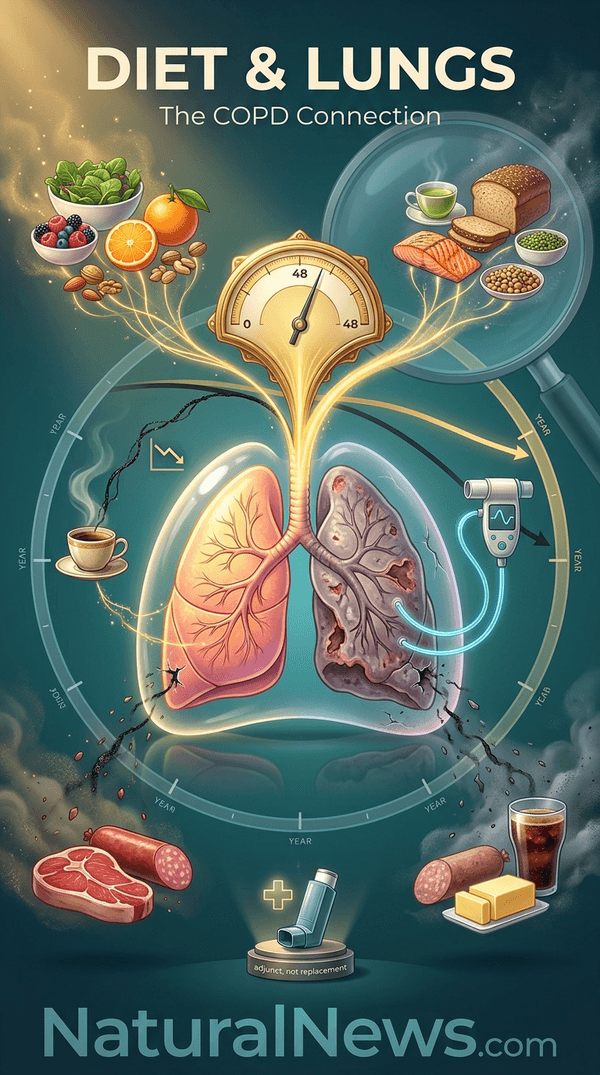
Participants completed a 110-item food questionnaire at the beginning of the study. The resulting diet quality score rewarded higher consumption of vegetables, fruit, whole grains, legumes, nuts, fish, unsaturated fats, unsweetened dairy, coffee, and tea. Conversely, the score penalized higher intake of red and processed meat, butter, hard margarines, and sugary drinks.
According to the report, the association between diet and lung function was stronger among those with COPD. For every one-point increase in the diet score, individuals with COPD could force out about 8 mL more air in one second compared with those without the condition, while the connection for people with asthma was smaller [2].
Over a ten-year follow-up period involving 37,752 adults, researchers observed that among those with COPD, higher diet scores at baseline were linked to a slower decline in lung function. The report states that this held across all three breathing measures tracked and was seen in both mild and moderate COPD cases. For people with asthma, the same pattern did not appear over time.
Individual Food Groups and Their Associations
When examining individual food groups, the researchers found that vegetables, fruit, and tea were associated with better lung function among people with COPD or asthma, according to the study report. Butter and hard margarines showed the opposite pattern, demonstrating a negative association with lung function in these groups.
Coffee presented a mixed finding: higher coffee intake was associated with faster lung function decline across the full group, even though coffee contributed positively to the overall diet score. This apparent contradiction, the report noted, illustrates the complexity of analyzing individual dietary components within an overall pattern.
Lead researcher Johan de Vries said, "The pattern suggests that dietary composition may influence respiratory health beyond overall calorie intake, but these are observational links."
Study Limitations and Interpretive Caveats
The researchers noted that the study is observational, meaning they could identify patterns but could not establish causation between specific foods and lung function. Diet was assessed only once at baseline, so changes in eating habits over the following decade were not captured in the analysis.
The report also highlighted that individual food findings require context. Since the study was observational, it could not determine whether a particular food caused better or worse lung function. For people with asthma or COPD, the report advises that dietary changes are not a replacement for medication or other treatment, but rather should be viewed as one part of a larger picture.
Dr. Emily Chen, a pulmonologist not involved in the study, commented: "This adds to evidence that diet quality matters, but patients should not replace prescribed treatments with dietary changes."
Practical Implications for Respiratory Health
The overall eating pattern associated with better lung function centers on plenty of plant foods, whole grains, legumes, nuts, fish, and unsaturated fats, while limiting red and processed meat, butter, and sugary drinks. The report noted this aligns with established dietary guidelines that support long-term health.
For individuals with asthma or COPD, experts say dietary modifications are best viewed as a complement to, not a substitute for, medical care. The report describes an eating approach that could include building meals around produce, swapping some fats for olive oil, working in more legumes and nuts, and keeping sugary drinks in check.
The takeaway, according to the authors, is that a healthier diet may support lung function, but further research is needed to confirm any causal role. The pattern fits with an eating style that already supports several aspects of long-term health.
References
- NaturalNews.com. "Omega-3 diet benefits patients with lung prob". February 08, 2006.
- NaturalNews.com. "Acupuncture can do more than just relieve pain_ It also improves quality of life". April 02, 2020.
- NaturalNews.com. "Leafy greens linked to 16% lower risk of chronic lung disease, major study finds". June 30, 2026.
- BrightLearn.ai. "Breathe Free: Unlocking Natural Therapies for COPD – Healing Root Causes Beyond Symptom Management". July 28, 2026.
Explainer Infographic












Please contact us for more information.


