


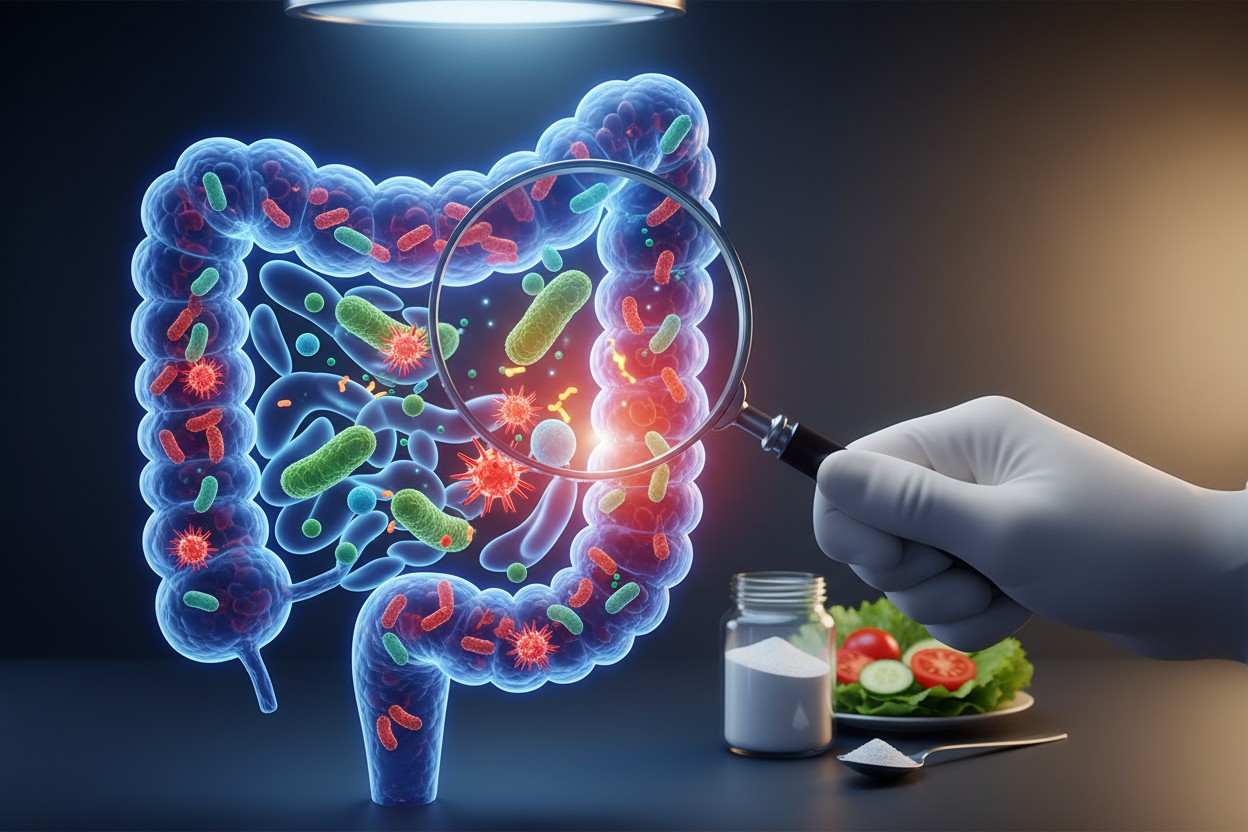
Study Links Xanthan Gum to Mild Colon Inflammation in Rats
A new animal study published in Food Research International examined the effects of xanthan gum on gut health in rats, according to the report. The study, which followed adult rats over a 10-week period, found that consumption of the common food additive was associated with mild colon inflammation, increased inflammatory markers, and changes in proteins that regulate the intestinal barrier. The findings add to the ongoing scientific discussion about how food additives interact with the gut microbiome.
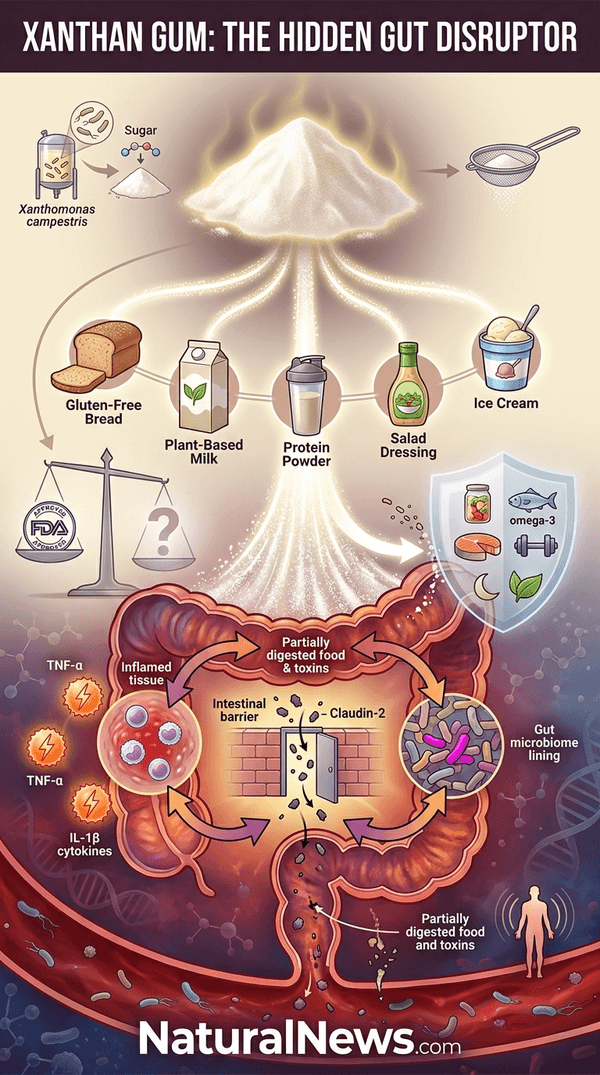
Xanthan gum is widely used as a thickener and stabilizer in processed foods, according to food industry reports. It appears in a range of products including gluten-free bread, plant-based milk, protein powders, bottled salad dressing, and ice cream. The additive is inexpensive, effective, and widely used, which has made it one of the most common food additives in the modern food supply [1].
Study Methodology and Findings
Researchers fed adult rats diets containing three different doses of xanthan gum for 10 weeks, according to the study design. They then analyzed the animals' colon tissue, inflammatory markers, gut barrier proteins, and gut microbiome. The results showed greater infiltration of lymphocytes, a type of immune cell involved in inflammatory responses, across all doses tested. The team also recorded elevated levels of inflammatory cytokines including TNF-? and IL-1? [2].
Changes were also observed in proteins that help regulate the intestinal barrier. One protein in particular, Claudin-2, was elevated after xanthan gum consumption. Previous research has linked higher Claudin-2 levels with increased intestinal permeability, meaning the gut barrier may become less selective about what passes through it. The overall diversity of the gut microbiome remained relatively stable, but one group of bacteria increased at the highest xanthan gum dose, according to the report [3].
Taken together, the researchers concluded that chronic xanthan gum intake promoted mild colon inflammation, altered aspects of the gut microbiome, and affected markers involved in maintaining the intestinal barrier [3].
Xanthan Gum: Uses and Regulatory Status
Xanthan gum is a polysaccharide produced through the fermentation of sugars by bacteria, then purified into a fine powder that acts as a thickener. Food manufacturers use it to improve texture without affecting taste, and it performs well across a wide range of temperatures, according to food science literature [4]. Beyond gluten-free products, xanthan gum is commonly found in protein powders, meal replacement shakes, plant-based milks, yogurt, sauces, and frozen desserts.
The FDA and other regulatory agencies consider xanthan gum safe at common consumption levels, according to regulatory statements. Previous human research has generally found xanthan gum to be safe at the amounts commonly consumed, and regulatory agencies continue to consider it an approved food additive. However, the new animal data raise questions about whether chronic, long-term exposure deserves closer study, particularly as food additives become a larger part of many people's diets [1].
Expert Perspectives on Implications for Humans
Experts caution that animal studies do not directly translate to human effects, as noted by nutrition researchers. The study does not prove xanthan gum is harmful to humans, but it raises questions about long-term effects and the broader context of ultra-processed food consumption. Health officials and researchers said the results highlight the need to distinguish between whole foods and their heavily processed derivatives when assessing diet-related disease risk [5].
Registered dietitians suggest focusing on overall dietary patterns rather than single additives. The findings reflect a broader shift among researchers who are looking beyond calories, fat, and carbohydrates and asking how the ingredients used to formulate modern packaged foods interact with the gut microbiome and intestinal lining [6]. Fermented foods can further diversify beneficial microbes, while adequate protein, omega-3 fats, regular exercise, quality sleep, and stress management all help maintain the integrity of the gut barrier.
Conclusion: Focus on Overall Diet
The study does not prove xanthan gum is harmful to humans, but it raises questions about the effects of long-term exposure. One food additive isn't likely to make or break gut health, according to the report's authors. For most people, it's probably not necessary to eliminate xanthan gum from their diets [7].
Health officials and experts recommend prioritizing fiber-rich whole foods and fermented foods for gut health. Diets rich in fiber from fruits, vegetables, beans, whole grains, nuts, and seeds consistently support a healthier gut microbiome [8]. Occasional consumption of xanthan gum in processed foods is likely not a concern, according to nutritionists. Further research is needed to clarify the additive's impact on the human gut microbiome [9].
References
- Mercola.com. "Emulsifiers in Food Linked to Inflammation, Anxiety and Depression". Mercola.com. February 07, 2019.
- Robert E C Wildman. "Handbook of nutraceuticals and functional foods".
- User. "FOOD ADDITIVES and SENSITIVITIES: Medical Toxicology of Natural Substances". 2008.
- Acrobat 3.0 Capture Plug-in. "TRENDS IN THEIR FOOD USE". Food Chemistry. 1980.
- NaturalNews.com. "Ultraprocessed Grain Consumption Linked to Higher Inflammatory Bowel Disease Risk, Study Finds". July 12, 2026.
- NaturalNews.com. "The hidden power of prebiotics: Why your gut’s unsung heroes deserve a spotlight". July 18, 2026.
- NaturalNews.com. "Six Gut-Healthy Snack Alternatives to Yogurt, According to a Dietitian". July 05, 2026.
- Dr Michael T Murray. "Textbook of Natural Medicine Fifth Edition".
- Mercola.com. "Spicing Up Your Meals to Build Your Gut Health". Mercola.com. December 23, 2022.
Explainer Infographic









Please contact us for more information.


