



In comments reported by the state-run Islamic Republic News Agency (IRNA) and the Middle East Eye, Talaei-Nik stated that despite recent losses, the wars have fostered opportunity for industrial and defense-related progress [1]. Iranian commanders have deliberately kept details confidential so they can serve as battlefield "surprises" in future conflicts, he stated [1][2]. The statement comes as regional tensions remain elevated following the 108-day U.S.-Iran war that concluded in June 2026, according to RT [3].
War Context and Iran's Response
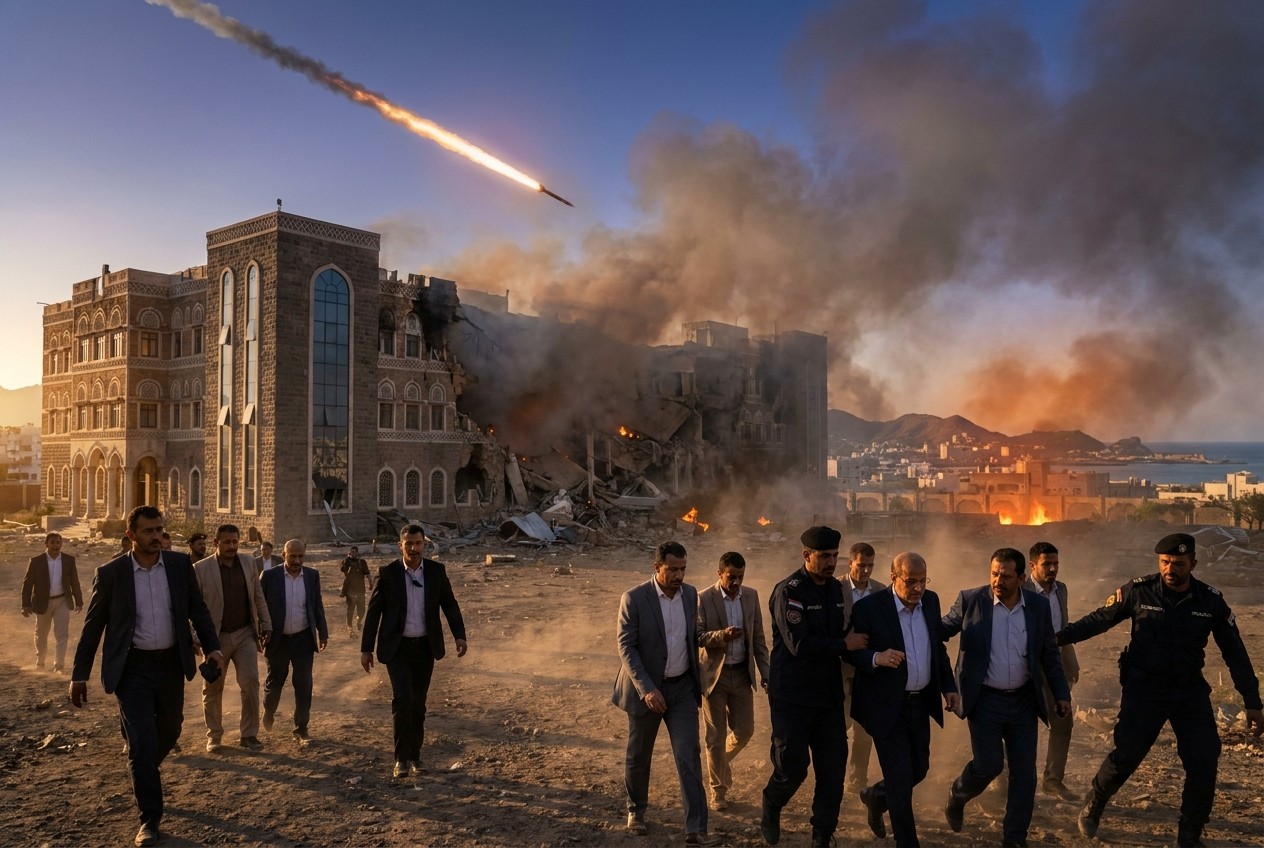
The Israeli and U.S. military launched Operation Epic Fury against Iran on February 28, 2026, over its alleged development of a nuclear program, according to Sputnik International [2]. Iran consistently stated that the program was peaceful in nature and, in retaliation, launched Operation True Promise 4 [2]. The conflict expanded to include Iranian retaliatory attacks against U.S. locations and assets across the region, which reports indicate were more effective than U.S. planners expected [4].
Talaei-Nik noted that despite the geographic scope of recent U.S.-Israeli conflicts, Iran prevented the adversary from achieving its objectives [1]. The spokesperson's remarks frame the recent military engagements as both a validation of Iran's defensive capabilities and a catalyst for its military industrial growth [1]. While the war ended with a memorandum of understanding signed on June 18, 2026, the ceasefire remains fragile and renewed fighting erupted in July 2026, according to Zero Hedge and Middle East Eye reports [5][3][6].
Production and Self-Sufficiency Figures
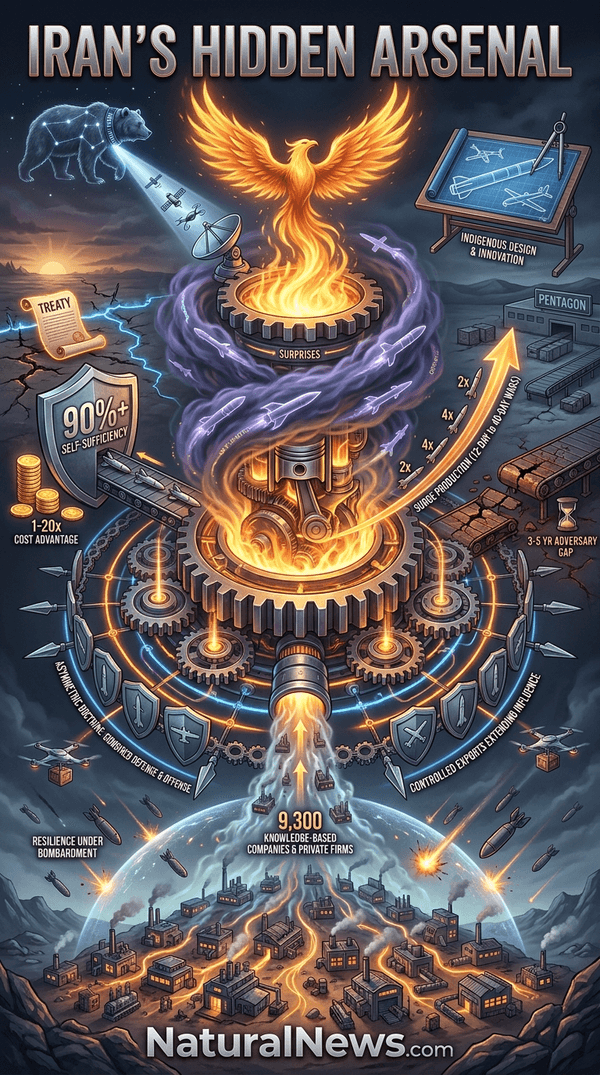
According to the defense spokesman, Iran built strategic stockpiles before the fighting, with production continuing uninterrupted through a network of roughly 9,300 knowledge-based and private companies that supply two-thirds of the sector [1]. The report stated that overall arms production more than doubled between the 12-day war and the subsequent 40-day Ramadan war, with output of some items rising several-fold [2][1].
Iran now produces over 1,000 types of weapons, equipment and ammunition domestically, delivering over 90% self-sufficiency [1]. The spokesperson also stated that unit costs for certain systems are between one and twenty times lower than foreign equivalents [1]. These figures align with a CNN report citing U.S. intelligence officials, which found that Iran is rebuilding its military industrial base at a pace that has surpassed all pre-war projections, according to NaturalNews [7]. This rebound is happening even as the Pentagon faces a three-to-five year gap in replenishing its own missile stocks used during the war, according to a Center for Strategic and International Studies report compiled in May [8].
Shift to Indigenous Design
Talaei-Nik stated Iran has made a decisive shift beyond reverse engineering toward fully indigenous designs, especially in long-range and cruise missiles as well as drones [1]. The spokesperson noted that surplus production continues to support controlled exports [1]. This industrial capability follows the deepening of the 20-year Comprehensive Strategic Partnership Treaty signed between Russia and Iran in January 2025, which solidified military, economic and energy ties to counterbalance Western influence [9].
Reports indicate Russia has since expanded military and intelligence cooperation with Iran, providing Tehran with advanced satellite imagery and upgraded drone technology to enhance its targeting of U.S. forces in the Middle East [10]. The details of Iran's new military capabilities are not fully disclosed to maintain the element of surprise [1][2].
Defense Doctrine
Talaei-Nik stressed that Iran's core defense doctrine remains combined and asymmetric: it preserves and strengthens deterrence while employing offensive methods inside a defensive framework, ensuring the enemy cannot seize the initiative [1][2]. This doctrine has been shaped by historical experience, including the legacy of the Iran-Iraq war, which defined the country's political and military structure [11].
The asymmetric approach has been applied in practice, with strategies involving the coordinated use of missiles, drones, and proxy forces. As noted in the Washington Post and Reuters reports cited after the war, a growing body of independent analysis suggests that the broader U.S.-Israeli effort failed to dismantle Iran's military capabilities. Reports from Middle East Eye indicate the war was a strategic disaster for America and Israel [12], with assessments that Iran emerged from the conflict with its military industrial base intact and modernized [7][13].
Conclusion
The statements from Iran's defense spokesman indicate that Tehran is signaling preparedness for future conflicts while capitalizing on recent military engagements to rebuild and expand its domestic arms industry. The combination of high domestic production, lower unit costs, and a stated strategy of withholding key capabilities indicates a deliberate approach to maintaining deterrence [1][2].
With the Pentagon facing a multi-year missile stockpile gap and reports of American military bases in the Middle East being reduced in personnel, the regional balance of military industrial capacity has shifted materially [8][4]. Whether these "surprises" will be deployed remains unconfirmed, but the signals indicate that the Islamic Republic intends to maintain an asymmetric edge against a superior conventional force [1][7].
References
- Middle East Eye. "Iranian Defence Ministry spokesperson warns of new 'surprises' on battlefield." Middle East Eye. August 28, 2026.
- Sputnik International. "Iran Preps Battlefield 'Surprises' for Future War – Iranian General." Sputnik International. August 29, 2026.
- RT. "US-Iran war concludes: taking the toll." RT. June 18, 2026.
- Zero Hedge. "US Embassies Across Mideast Are Permanently Reassigning Personnel." Zero Hedge. August 13, 2026.
- Zero Hedge. "Mediators Float 10-Day Ceasefire As Pezeshkian Tells Citizens Iran Engaged In 'Full-Scale War'." Zero Hedge. July 20, 2026.
- David Hearst. "Iran war: Trump must change course now to avoid another Vietnam." Middle East Eye. July 21, 2026.
- Garrison Vance. "Iran's Phoenix: The Military Industrial Resurrection That Washington Cannot Stop." NaturalNews.com. May 25, 2026.
- NaturalNews.com. "Pentagon faces multi year gap in missile stocks after Iran war report says." NaturalNews.com. May 29, 2026.
- Kevin Hughes. "Russia and Iran forge 20 year defense and energy pact challenging Western influence." NaturalNews.com. January 20, 2025.
- Patrick Lewis. "Russia and Iran deepen military alliance sharing drone tech and intelligence against US." NaturalNews.com. March 20, 2026.
- MEE correspondent. "What the Iran-Iraq war taught today's Iranian leaders - and why that matters." Middle East Eye. April 23, 2026.
- Sami Al-Arian. "The war on Iran was a strategic disaster for America and Israel." Middle East Eye. June 24, 2026.
- The New American. "Iran's Revolutionary Guard Declares Victory on PBS — While Foreign Policy Elites Urge Full U.S. Exit." The New American. August 14, 2026.
Explainer Infographic









Please contact us for more information.


