


Justice Elizabeth Raper found that applying the standard to X would bypass the industry-led code process established under the Online Safety Act. The ruling marks a significant legal boundary between two separate regulatory frameworks for online services in Australia.
Legal Background and Ruling Details
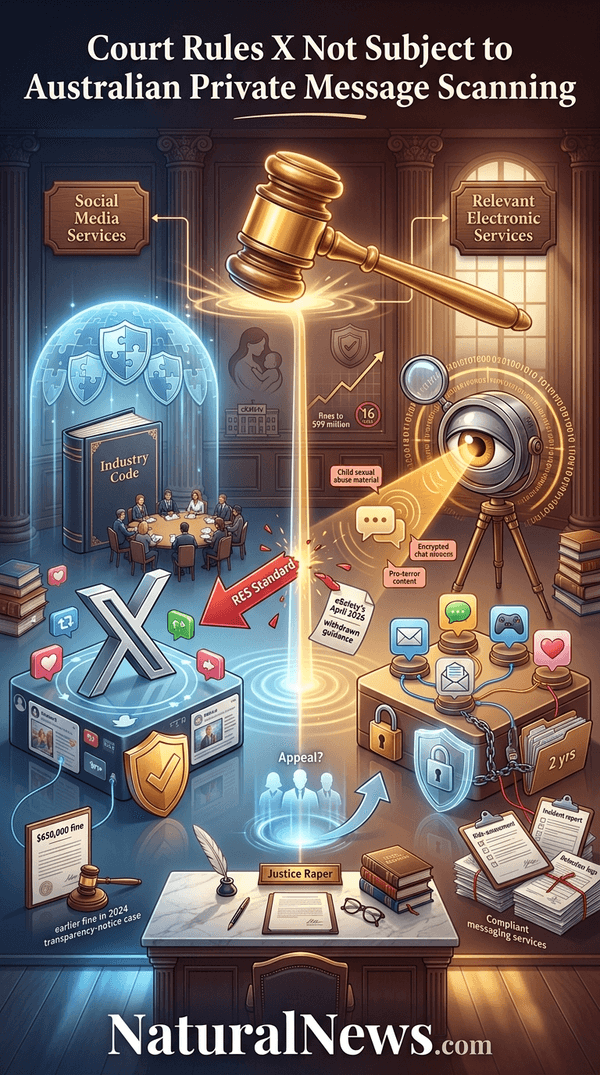
The RES Standard was drafted by Commissioner Inman Grant to require proactive scanning of private messages for child sexual abuse and pro-terror material, with penalties for non-compliance reaching up to $49.5 million, according to the court record. X argued the standard was intended for providers of “relevant electronic services,” not social media platforms, and the court agreed, citing the Act’s structure of separate categories for online services.
Justice Raper noted that the Commissioner’s interpretation would create “enormous overlap between the two sections of the industry” and undermine the consultative industry-led code model. According to the ruling, “I accept X Corp’s characterization of the facts that the RES Standard has been made by the commissioner…as a standard applicable to participants in a different section of the online industry.” The judge further wrote that the Commissioner’s construction “would allow the commissioner, as has happened here, to create a standard and apply it to a provider who is already the subject of another industry sector code and effectively bypass the consultative industry-led model.”
Implications for Other Services
The ruling removes social media platforms with messaging capabilities from the standard’s scope, but email, messaging, gaming, and dating services remain subject to the proactive scanning requirements. The eSafety Commissioner’s April 2026 guidance had claimed the standard applied to social platforms with messaging, a position now invalidated by the court’s decision.
Affected services must still conduct proactive scanning for child sexual abuse and pro-terror material, perform risk assessments, submit reports, notify eSafety of significant new features, and maintain records for two years. X, having successfully argued it belongs to a different regulatory category, is exempt from these obligations while other private messaging providers are not.
eSafety’s Response and Broader Context
eSafety stated that the standard “remains valid and enforceable,” and the court did not strike it down entirely, as X had requested. A spokesperson said, “eSafety is considering the judgment and next steps.” The regulator has not confirmed whether it will appeal the decision.
Commissioner Inman Grant has a history of legal disputes with X. In 2024, she attempted to force X to globally remove a video of a bishop being stabbed in a Sydney church, later dropping the case after public backlash. In May 2024, the Federal Court upheld a $650,000 fine against X for failing to respond to a transparency notice regarding its handling of child abuse material [3]. More recently, eSafety initiated civil proceedings against Telegram for alleged failures to detect and remove pro-terror material [2]. The broader regulatory environment in Australia continues to tighten, with the government “doubling down” on its under-16 social media ban and increasing fines to $99 million [4].
Conclusion
The decision reinforces the legal distinction between industry-negotiated codes and commissioner-drafted standards under the Online Safety Act. X is excluded from the scanning obligation, while other private messaging services remain covered. The case underscores ongoing tensions between regulatory authority and platform operations in Australia, as the government pushes for expanded surveillance powers amid growing privacy concerns [1].
References
- NaturalNews.com. "Australian parliament passes digital ID law to enshrine the globalist control matrix down under." NaturalNews.com. May 28, 2024.
- RT.com. "Australia sues Telegram for terrorist content." RT. July 30, 2026.
- BBC News. "Elon Musk's X fined for not complying with Australia's child protection laws." BBC. May 21, 2026.
- The Epoch Times. "Australia ‘Doubles Down’ on Under-16 Social Media Ban, Doubles Fines to $99 Million." The Epoch Times. June 29, 2026.
Explainer Infographic










Please contact us for more information.


