


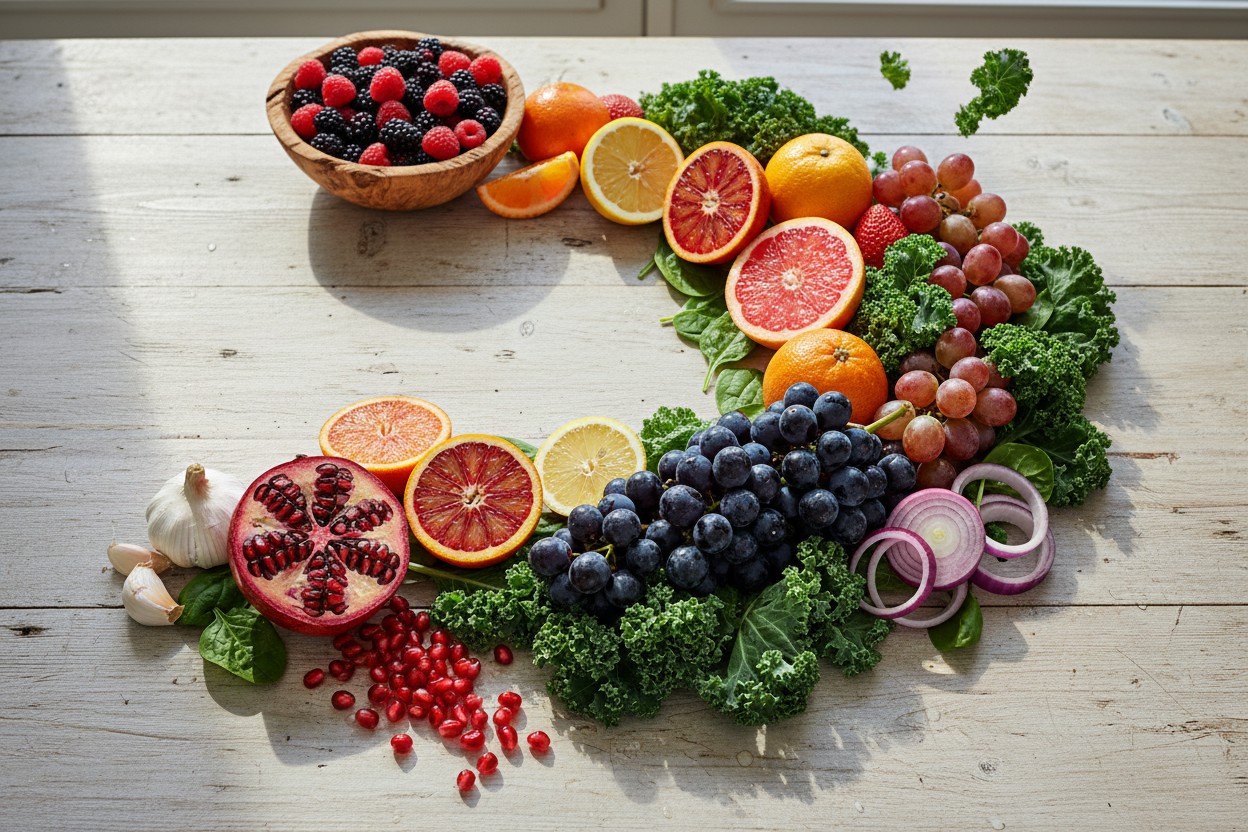
Report: Seven Produce Types May Help Support Circulation
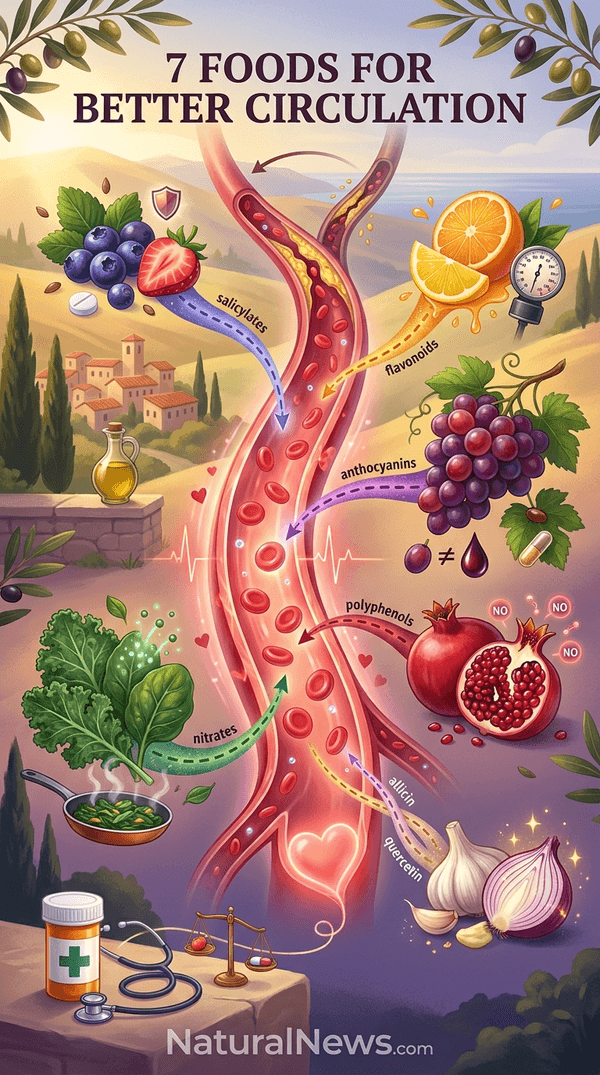
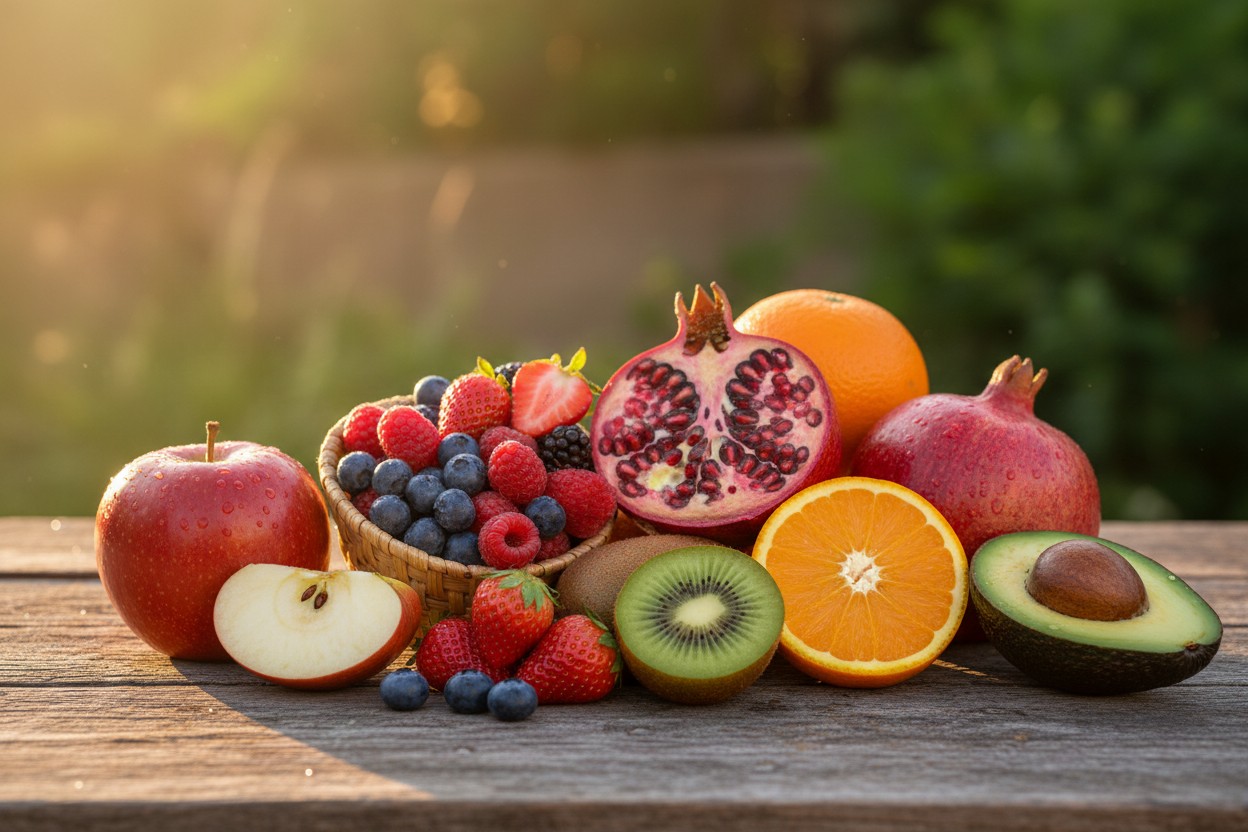
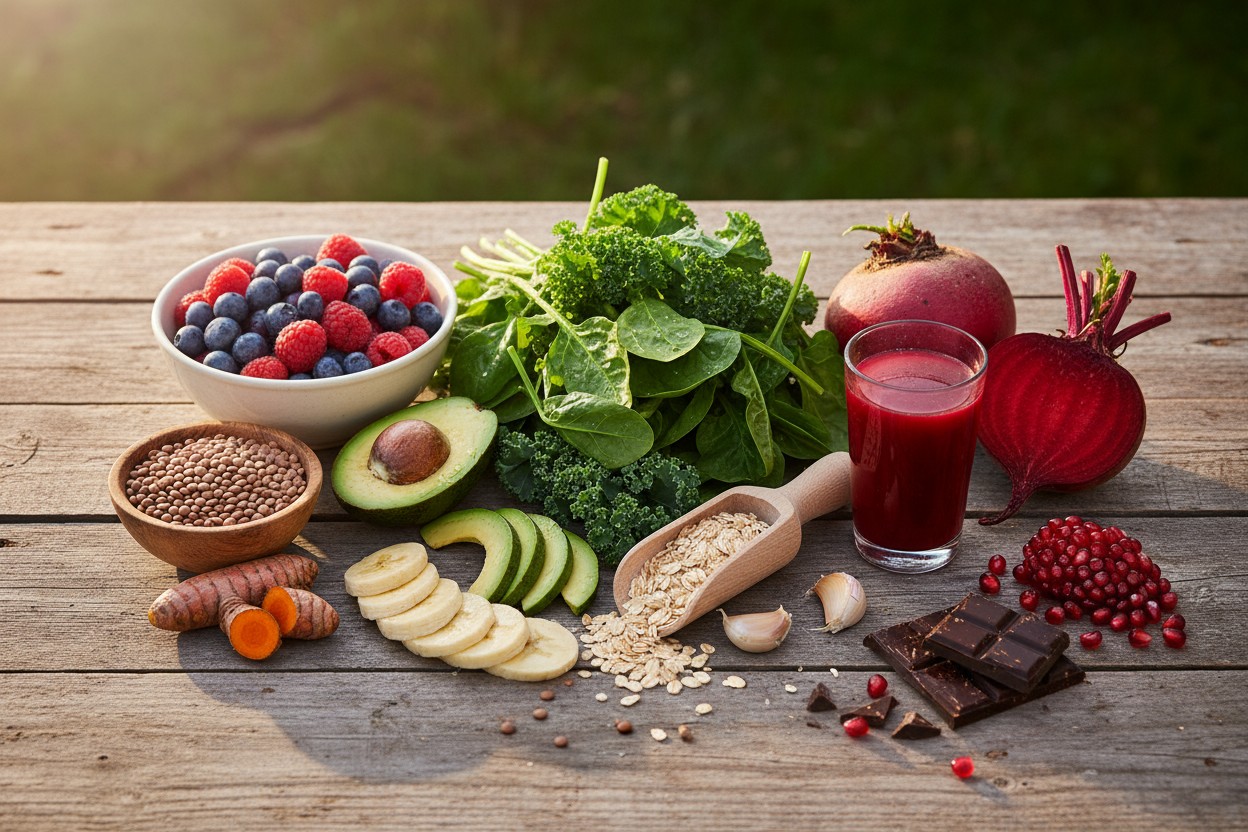
A report examining dietary patterns and vascular health identified seven produce types that may support blood vessel health and circulation: berries, citrus fruits, grapes, pomegranates, leafy greens, garlic and onions. According to the report, the findings center on plant compounds including flavonoids, salicylates, nitrates and polyphenols present in these foods. Researchers cited in the report said the evidence remains preliminary and that these foods should not replace prescribed blood thinners or other cardiovascular medications.
The report's focus on diet and circulation comes amid broader attention to cardiovascular disease. Coronary heart disease occurs when arteries supplying blood to the heart become clogged with plaque, reducing blood flow and oxygen to the heart muscle, according to Fiona Marshall in Your Man's Health [1]. Dietary patterns high in added sugars have also been linked to metabolic dysfunction and increased risk of heart disease, according to an article published by Mercola.com [2].
The report reviewed observational studies and clinical trials on plant compounds and vascular function. It grouped the seven produce types by the compounds they contain rather than by a single mechanism.
Berries and Citrus: Salicylates and Flavonoids
Berries contain salicylates, plant compounds related to salicylic acid found in aspirin, the report stated. Some studies reviewed in the report suggest regular consumption of berries may limit platelet aggregation, or the clumping of blood platelets, although the report described the evidence as suggestive rather than conclusive.
Citrus fruits contain flavonoids, which the report described as vasorelaxants that may help blood vessels relax and widen. The report cited a study that found people who regularly consumed higher amounts of citrus fruits had lower systolic blood pressure. The report said the effect was modest and did not establish cause and effect.
The report added that flavonoids are found in many plant foods, but citrus fruits provide a concentrated dietary source. It said whole fruit consumption is likely to differ from isolated flavonoid supplements used in laboratory studies.
Grapes and Pomegranates: Polyphenols and Nitric Oxide
Grapes contain flavonoids and, in red or purple varieties, anthocyanins, which may protect blood vessel health, according to the report. The report noted that most research on grapes has used grape seed extract, with studies suggesting it may promote blood flow and slow clotting.
Pomegranates are rich in polyphenols and support nitric oxide production, which helps widen blood vessels, the report said. Some research suggests pomegranate juice may lower blood pressure. Reporting published in March 2026 noted that 100% fruit and vegetable juices, including pomegranate, can support heart health [3]. A separate research summary published in June 2026 found that watermelon juice may reduce blood pressure and improve arterial health [4].
The report said grape seed extract is not the same as eating whole grapes, and the amounts used in studies are often higher than typical dietary intake.
Leafy Greens, Garlic and Onions: Nitrates and Allicin
Leafy greens such as kale and spinach contain nitrates that the body converts into nitric oxide, which relaxes blood vessels, according to the report. The report said this pathway is similar to the mechanism linked to pomegranates, though the plants deliver the compounds in different forms.
Garlic contains allicin, a compound that may reduce platelet aggregation, though research on garlic's benefits remains limited, the report stated. Onions, which are in the same botanical family as garlic, have anti-inflammatory properties and flavonoids that may support healthy blood vessel function, according to the report.
The report said cooking methods may affect these compounds, and that raw or lightly cooked preparations may preserve more of the active constituents.
Limitations and Medication Interactions
The report stated that research on these foods is in its early stages and more work is needed to confirm real-world vascular benefits. It said the findings should not be read as a recommendation to replace antiplatelets, anticoagulants or other cardiovascular medications with food. The report quoted a dietitian as advising that patients taking warfarin, NSAIDs, anti-arrhythmic drugs or antiplatelets should consult a doctor before sharply increasing consumption of these produce items.
Broader food safety reviews have found that about 10,000 chemicals are allowed to be added to food and food-contact materials in the U.S., with few properly tested for safety [5]. Other food safety guidance has warned that toxic residues in food are not good for health, especially for young children [6].
Conclusion
The report concluded that adding berries, citrus fruits, grapes, pomegranates, leafy greens, garlic and onions to a varied diet is a low-cost dietary step that may support vascular health, but it stopped short of claiming therapeutic benefit. The report said individuals using cardiovascular medications should speak with a health care provider before making significant dietary changes.
References
- Fiona Marshall. "Your Man's Health".
- Mercola.com. "Elevated Sugar Intake Linked to Significantly Raised Risk of Obesity, Diabetes, and Heart Disease". March 16, 2015.
- NaturalNews.com. "Nature's liquid gold: 6 Science-backed juices that boost immunity, heart health and performance". March 29, 2026.
- NaturalNews.com. "Watermelon juice shows promise in lowering blood pressure, research suggests". June 29, 2026.
- Mercola.com. "The Most Toxic Retailers on the Planet". December 05, 2018.
- "Healthy Living in a Contaminated World - How to prevent toxic chemicals from undermining your health".
Explainer Infographic







Please contact us for more information.


