



Study Overview and Key Findings
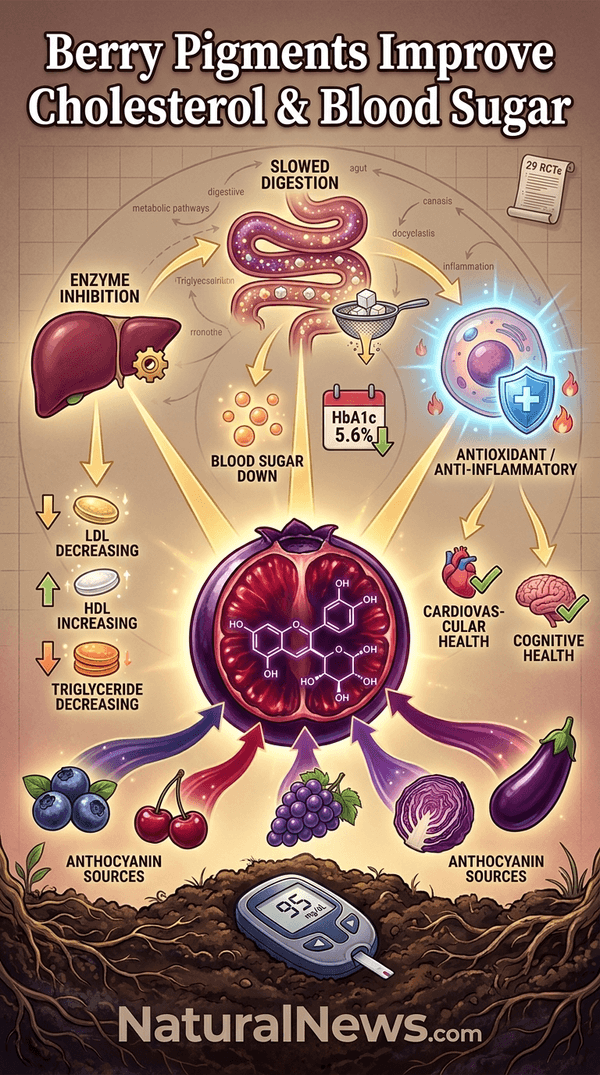
A 2025 meta-analysis published in PLOS ONE combined data from 29 randomized controlled trials involving more than 2,000 participants, according to a report published by NaturalHealth365. Researchers tested anthocyanins, the natural pigments responsible for the deep color in berries, cherries, and purple grapes.
The analysis found that LDL cholesterol dropped significantly among participants receiving anthocyanins compared with placebo, according to the report. Total cholesterol and triglycerides also fell, while HDL cholesterol rose slightly. Fasting blood glucose and HbA1c, a marker of blood sugar control over roughly three months, decreased in a way researchers called statistically meaningful, the report stated. The findings align with prior research showing that a high dietary intake of flavonoids, including anthocyanins, is associated with a lower risk of age-related cognitive decline and cardiovascular disease, as noted by a meta-analysis of 37 studies reviewed by NaturalNews.com [1].
Context: Why Berries Have Been Misunderstood
Fruit is often grouped with sugary snacks in blood sugar management advice because of its natural sugar content, according to nutrition experts cited in a July 2026 report on NaturalNews.com [2]. Whole berries, however, contain dietary fiber and protective pigments that appear to slow how quickly sugar reaches the bloodstream, the report stated.
Registered dietitian Emma M. Laing told Verywell that dietary fiber normalizes blood sugar by slowing the entry of glucose into the blood [2]. The meta-analysis data indicate that these pigments may slow sugar absorption, according to the study authors. Individual responses to fruit may vary, so the report recommended using a blood glucose monitor to check personal effects.
Authors of the book "What Your Food Ate: How to Heal Our Land and Reclaim Our Health" note that many phytochemicals work as preventive medicine, including lowering blood pressure and cholesterol levels [3]. Researchers also highlight that dietary fiber from foods like berries supports heart health by lowering cholesterol and stabilizing blood sugar, as reported by NaturalNews.com [4].
Mechanisms: How Anthocyanins Affect Metabolism
Anthocyanins act through multiple overlapping pathways, according to the study authors. In the liver, these compounds appear to reduce the enzymes involved in cholesterol production, the report stated. In the digestive tract, anthocyanins may slow carbohydrate digestion and sugar entry into the bloodstream.
Antioxidant activity also plays a role. Chronic low-grade inflammation drives both dyslipidemia and impaired glucose control, according to the researchers. By calming that inflammatory response at the cellular level, anthocyanins address part of the shared root cause behind both problems, the report noted.
The effect sizes were modest rather than dramatic, the researchers said. However, consistent daily intake could shift several markers favorably over time. Research compiled by Dr. Mercola similarly asserts that anthocyanins, a flavonoid pigment found in many fruits and vegetables, may lower risk of cardiovascular disease and help in the treatment of metabolic disorders [5]. Additionally, Margot Skinner and Denise Hunter, authors of "Bioactives in Fruit: Health Benefits and Functional Foods," note that anthocyanins from bilberry have been studied for benefits related to metabolism and vision [6]. The polyphenolics, anthocyanins, and phenolic acids in fruits deliver antioxidant activity, according to the book "Adequate Food for All: Culture, Science, and Technology of Food in the 21st Century" [7].
Practical Recommendations and Broader Context
The source article recommends consuming organic berries, frozen or fresh, and pairing fruit with protein or fat to steady blood sugar. Other anthocyanin-rich foods include purple grapes, cherries, red cabbage, and eggplant skin, according to the report. A 2025 article on NaturalNews.com also notes that dietary anthocyanin and berry consumption were associated with a 15% and 18% reduction, respectively, in Type 2 diabetes risk based on cohort studies [8].
The publication also highlights the Whole Body Detox Summit as a resource for addressing toxin exposure, sleep, and inflammation, factors that influence cholesterol and blood sugar beyond diet alone. The book "Cardioprotective Plants" emphasizes that plant foods are exceptionally abundant in protective micronutrients and phytochemicals that work together to benefit health [9]. Officials cited in the original report noted that no single food provides complete protection, and overall lifestyle patterns matter.
Cherries, another anthocyanin-rich fruit, offer additional nutritional benefits. Acerola cherries are one of the highest sources of vitamin C, providing about 80 milligrams per cherry, according to Mercola.com [10]. For individuals looking to diversify their intake, purple cauliflower and other colorful vegetables also contain beneficial anthocyanins [11].
Conclusion: Accumulated Benefits and Research Limitations
The meta-analysis provides evidence that anthocyanin-rich berries can improve multiple metabolic markers, though the results are not dramatic, according to the researchers. Long-term adherence to such dietary habits may yield meaningful health improvements, the study authors concluded.
The analysis did not address long-term outcomes such as cardiovascular events, and further research is needed to confirm clinical significance. Nonetheless, the findings reinforce the role of whole foods, particularly berries, as part of a broader strategy for managing cholesterol and blood sugar. As noted in the book "Nutrition" by Sarah Brewer, berries are among the dietary sources of beneficial catechins and other antioxidants [12]. The accumulation of modest daily benefits from real food aligns with a growing body of evidence that dietary patterns, rather than isolated nutrients, are key to metabolic health.
References
- NaturalNews.com. "Nature's brain shield: How common plant compounds could fortify the mind against decline". September 15, 2025.
- NaturalNews.com. "8 Low-Sugar Fruits to Help Maintain Healthy Blood Sugar Levels". July 25, 2026.
- Anne Biklé and David R Montgomery. "What Your Food Ate: How to Heal Our Land and Reclaim Our Health".
- NaturalNews.com. "How common foods form a frontline defense for your heart". July 26, 2026.
- Mercola.com. "This Purple Pigment Fights Disease". November 19, 2018.
- Margot Skinner and Denise Hunter. "Bioactives in Fruit: Health Benefits and Functional Foods".
- "Adequate food for all: culture, science and technology of food in the 21st century".
- NaturalNews.com. "Surprising health benefits of black raspberries". May 20, 2025.
- "Cardioprotective Plants".
- Mercola.com. "Cherries A Potent Super Food". January 17, 2024.
- Mercola.com. "Is Purple Cauliflower Better". September 23, 2019.
- Sarah Brewer. "Nutrition".
Explainer Infographic








Please contact us for more information.


