


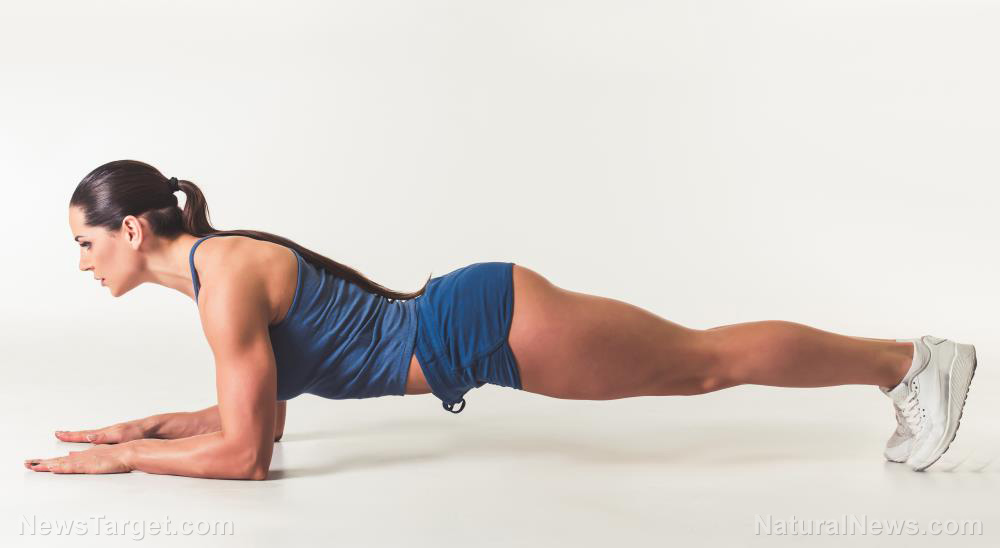
- Plank exercises are a foundational, equipment-free method for building core strength, improving posture and protecting the spine from injury.
- Historical evidence suggests the plank, popularized by Joseph Pilates in the 1920s, likely dates back to ancient physical training regimens.
- Expert guidance recommends holding a standard plank for 30 seconds to two minutes, with a focus on multiple sets rather than extended single holds.
- Beyond the classic hold, variations such as the Forearm Plank, Bear Plank and Bird-Dog Plank target specific muscle groups to address back pain and strength imbalances.
- Medical professionals advise that proper form—keeping the body in a rigid straight line—is critical to prevent strain and maximize the exercise’s benefits.
In an era where sedentary lifestyles dominate, the plank has emerged as a critical, low-cost solution for mitigating the dangers of prolonged sitting. This is a report on the exercise’s physiology, its historical roots and the latest expert recommendations on how to master it. For those seeking to cut through fitness fads, the plank offers a scientifically backed method to stabilize the spine, improve posture and build functional strength, all without requiring a gym membership. The following analysis synthesizes guidance from physical therapists and exercise physiologists, detailing the time-tested techniques and modern variations that make the plank a mainstay of physical health.
The historical foundation of the front hold
While the exact origin of the plank is a matter of debate, its place in modern fitness is cemented by the influence of Joseph Pilates in the 1920s. However, fitness experts note that the movement is likely far older, predating recorded exercise history. Similar to the squat or push-up, the plank is a primal movement that would have been essential for ancient soldiers and laborers who relied on raw physical prowess. The exercise’s core premise—holding the body rigid and straight like a board—is a fundamental test of muscular endurance that has been rediscovered and repackaged but never improved upon.
The lack of a specific inventor speaks to its simplicity. Unlike complex machinery, the plank only requires body weight and the ability to maintain tension. This accessibility is why it has survived the rise and fall of countless fitness trends. As a professional physical therapist noted, the plank is superior to the sit-up because it activates all core muscles at once without the repetitive bending motion that can strain the neck and lower back. This versatility ensures that while the delivery of the exercise may have been modernized, its ancient utility remains the core of its benefit.
Why the core matters now
The modern workplace is a minefield of postural hazards. Prolonged sitting weakens the core musculature, which includes the abdominals, back, hips and pelvis. This weakness is the primary culprit behind lower back pain—a condition that affects millions and leads to compensatory strain in surrounding muscles. When the core fails to stabilize the body for simple tasks like lifting a child or reaching into a cabinet, the spine suffers.
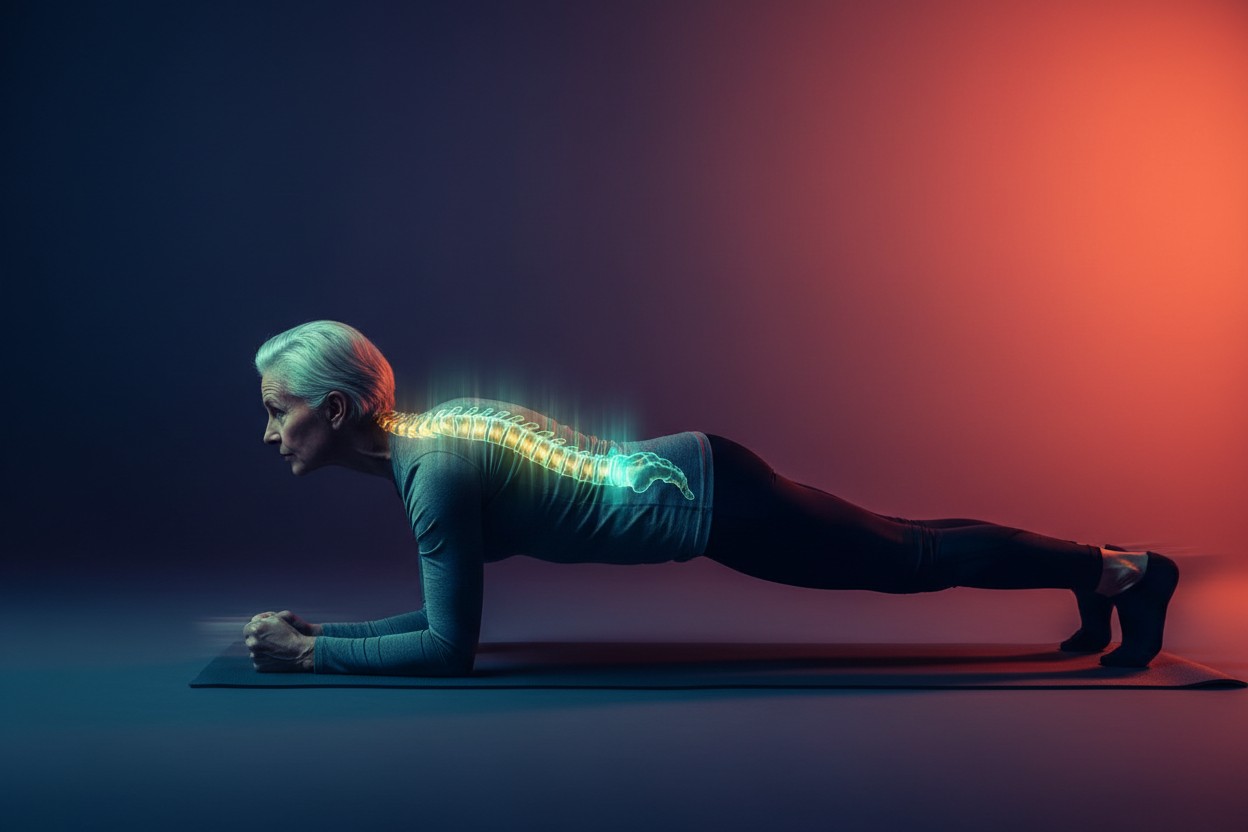
Planks address this directly by training the "trunk," a complex network of muscles between the pelvic floor and diaphragm. This region provides a rigid brace that protects the spine during movement. Exercise physiologist Katie Lawton, MEd, emphasized that the ability to brace the core is essential for preventing exercise-related injuries during heavy lifts like squats and deadlifts. By holding a plank, individuals train these muscles to engage automatically, creating a "muscle memory" that encourages standing and sitting straighter throughout the day.
Mastering the classic and its variations
For beginners, the path to a robust core begins with the standard high plank—a "frozen push-up" with arms extended and hands under shoulders. The key is to hold a straight line from head to heels without letting the hips sag or rise. Experts recommend starting with 30-second holds, performing three sets and gradually increasing the duration.
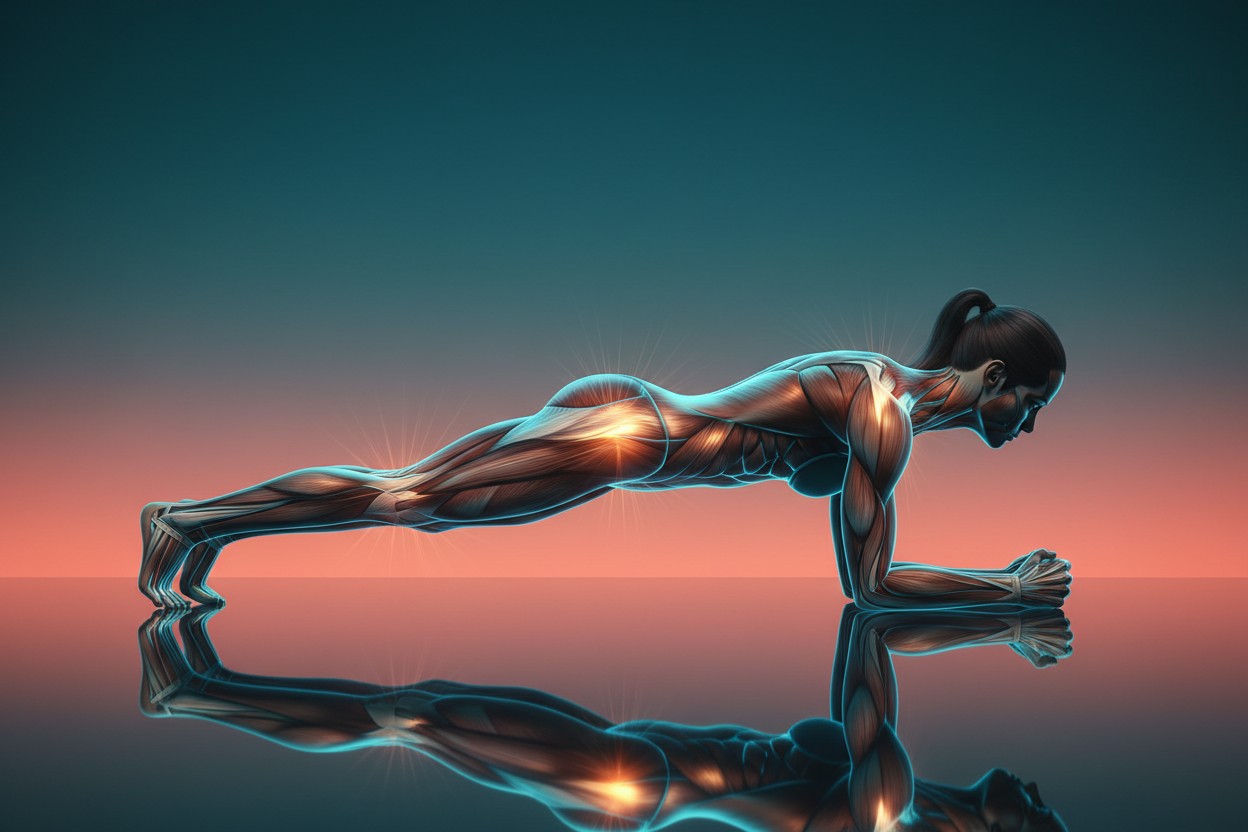
As strength builds, the Forearm Plank becomes the gold standard. By resting on the forearms with elbows under the shoulders, the exercise intensifies the work on the rectus abdominis, obliques and transverse abdominis, while also engaging the glutes and quadriceps. For those seeking to eliminate back strain, the Bear Plank offers a unique advantage; by floating the knees an inch off the ground, it shifts exertion to the legs and ankles, alleviating pressure on the lower spine.
Advanced lateral moves and asymmetrical challenges
Ignoring the lateral muscles creates strength imbalances that hurt everyday mobility. The Kneeling Side Plank and the Lateral Crossover Plank target the quadratus lumborum and obliques, which are often neglected in standard front-facing exercises. The crossover variation adds a gentle stretch to the piriformis muscles, offering relief for those who sit for long periods.
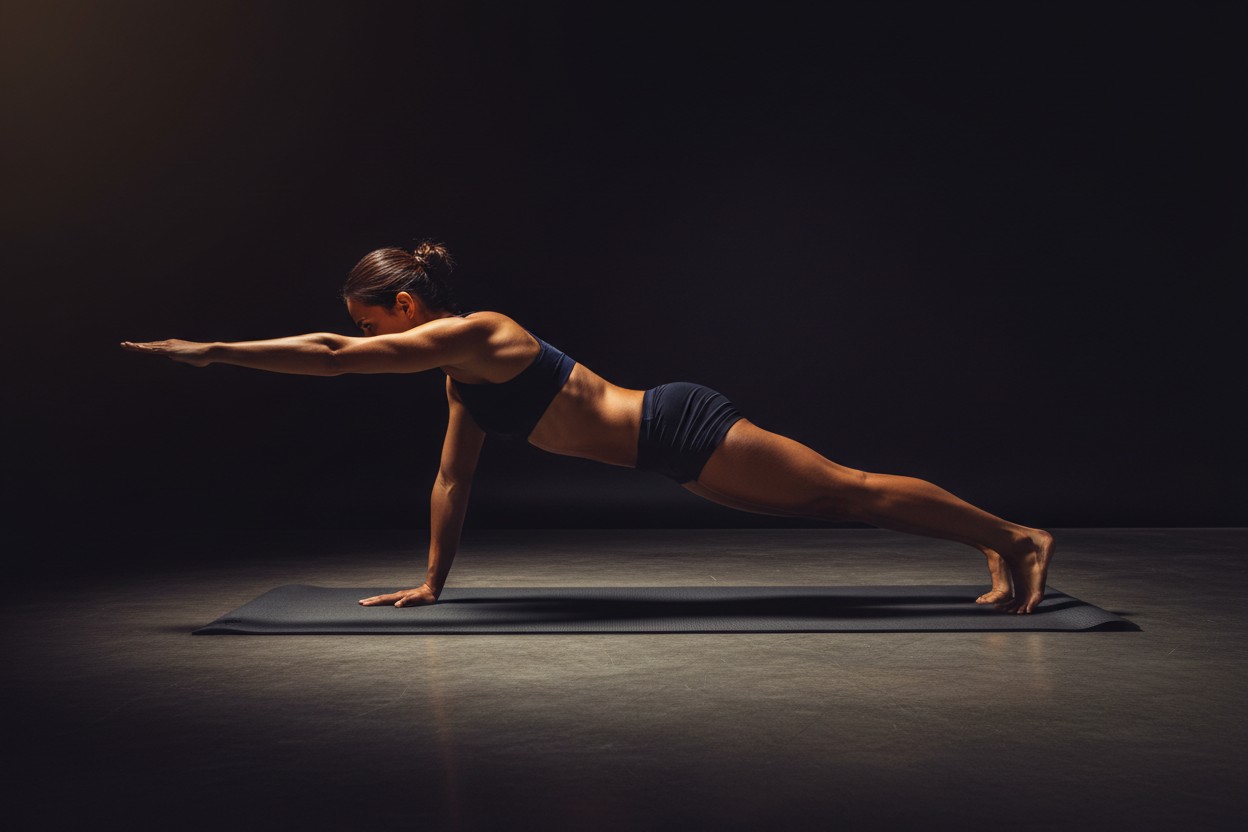
The most challenging variation is the Bird-Dog Plank, which superimposes asymmetrical resistance on the classic hold. By extending the opposite arm and leg simultaneously, athletes force the trunk to resist rotational movement, strengthening the small multifidus muscles along the spine. This movement pushes the body to stabilize beyond a simple isometric hold, improving balance and coordination.
A balanced prescription for a strong spine
The scientific consensus is clear: the plank is not just a trend, but a vital tool for longevity. While the myth of achieving six-pack abs through planks alone is debunked (diet plays a larger role there), the spinal protection and postural benefits are undeniable. Exercise physiologists recommend performing planks two to four times a week, increasing hold times by five to ten seconds as strength improves. However, physical therapists caution that holding a plank for more than two minutes yields diminishing returns; it is more effective to focus on multiple sets with proper alignment.
The foundation of a healthy future
Ultimately, the plank is a non-negotiable component of a comprehensive fitness and health strategy. It represents the ultimate efficiency of bodyweight work, offering a significant return on a minimal time investment. In a world where physical inactivity is a growing concern, the plank stands as a bastion of functional health. Whether performing the classic hold or the advanced bird-dog, the goal is consistency and form. By engaging the core for a few minutes daily, individuals can fortify their body’s foundation, ensuring they remain active, injury-free and resilient against the physical tolls of modern life.
Sources for this article include:







Please contact us for more information.


