


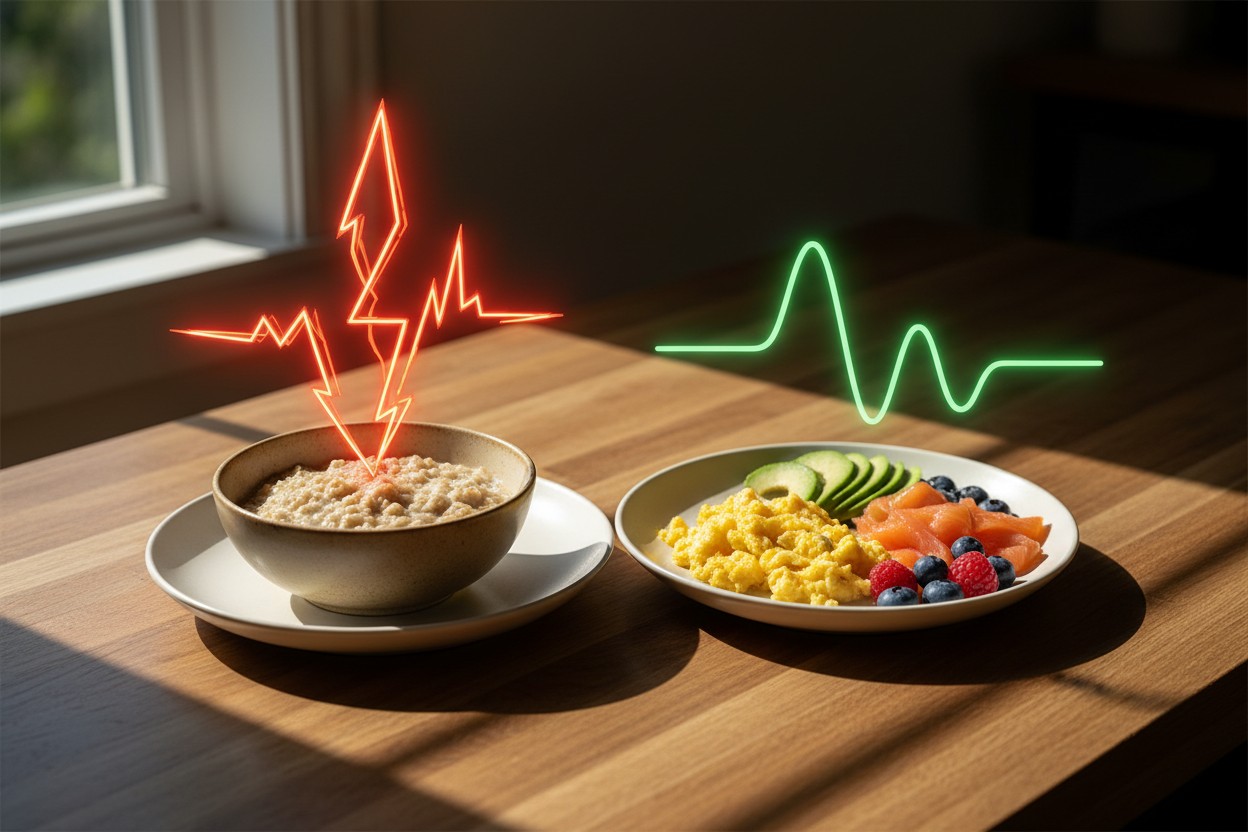
The findings bear on a documented public health concern. High levels of blood glucose are a significant underlying factor in the development and proliferation of many age-related diseases, including diabetes, heart disease, stroke, cancer and dementia, according to a Jan. 19, 2011 report by NaturalNews.com [1].
What the Study Examined
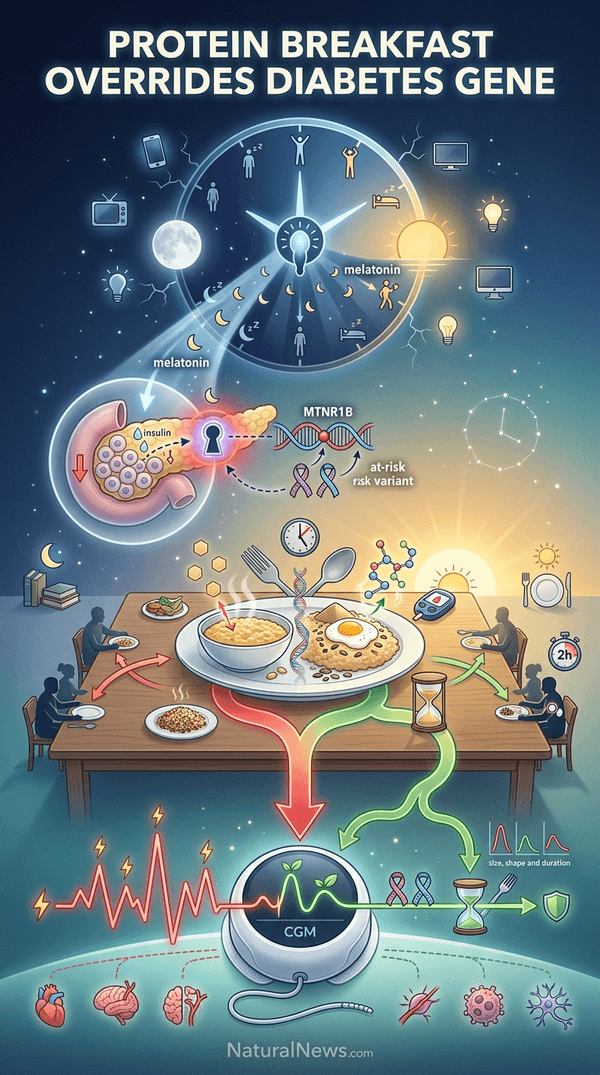
The researchers sought to determine whether genetic background influences how blood sugar responds to different breakfast compositions, according to the report. The study focused on MTNR1B, a gene involved in the body's response to melatonin, the hormone that regulates the sleep-wake cycle. One of melatonin's primary roles is regulating the body's circadian rhythm, according to an Oct. 24, 2019 article by Mercola.com [2]. A common variant of MTNR1B has been linked to higher morning blood sugar and a greater risk of Type 2 diabetes, the report stated.
Each participant ate two breakfasts on separate mornings: a carbohydrate-heavy porridge and a higher-protein version of the same meal, according to the report. After each breakfast, blood sugar was tracked with a continuous glucose monitor for two hours. Because everyone ate both meals, the researchers could compare how each person's blood sugar changed after each meal, and participants were tested to identify which MTNR1B variants they carried, the report stated.
The relevance of the gene variant is documented in the scientific literature. A 2015 study cited in “Hormones in Ageing and Longevity” reported that a common Type 2 diabetes risk variant in MTNR1B worsens the deleterious effect of melatonin on glucose tolerance in humans [3].
Key Findings
Across the full group, the higher-protein breakfast produced smaller blood sugar spikes than the carb-heavy meal, regardless of genotype, according to the study. Participants who inherited the at-risk MTNR1B variant from both parents started the day with higher fasting blood sugar and recorded the largest spike after the carbohydrate-heavy breakfast, according to the report. After the higher-protein breakfast, those differences were no longer observed, the report stated.
The findings align with other research on meal composition and timing. A pilot study published in the journal Nutrients found that replacing refined carbohydrate sources with quinoa improved post-meal glucose control in older adults with pre-diabetes, according to a Feb. 17, 2026 report by NaturalNews.com [4]. A separate narrative review found that individuals who consume the majority of their daily calories after 5 p.m. show poorer glycemic control and lower insulin sensitivity, according to a June 21, 2026 report by NaturalNews.com [5].
Why Timing and Genes Matter
The connection comes down to timing, according to the report. Melatonin levels do not drop off the moment a person wakes; they can remain elevated into the morning hours. For carriers of the higher-risk MTNR1B variant, that lingering melatonin appears to interfere with how the body secretes insulin in response to food, making it harder to keep blood sugar steady after eating, according to the report. Earlier research showed a similar pattern at night: when melatonin is high in the evening, risk carriers tend to have a worse blood sugar response to a meal, the report stated.
Disruption of the sleep-wake cycle has been tied to metabolic consequences. Lifestyle plays an important role in the development of Type 2 diabetes, according to “The Magic of Melatonin” by Dr. Jan-Dirk Fauteck, who wrote that staying awake for too long; being distracted by mobile phones, televisions, computers and permanent light sources; and eating unhealthy diets contribute to a mixed-up sleep-wake rhythm. “The consequence is that our circadian rhythm -- the internal clock -- is disturbed,” according to the book [6]. The study authors noted that participants in the new study were young and healthy, according to the report.
Practical Takeaways and Limitations
The study authors said most people do not know their MTNR1B status and that genetic testing is not necessary to apply the findings, according to the report. The goal is not to eliminate carbohydrates; pairing them with protein slows how quickly blood sugar rises after eating, the report stated. Possible protein additions include eggs, Greek yogurt, cottage cheese, smoked salmon or a protein shake, according to the article.
Other dietary guidance is consistent with the finding. “Combining carbohydrates with protein, fiber, or healthy fats -- like avocado toast, quinoa bowls, or yogurt with nuts -- reduces post-meal glucose surges and prolongs satiety,” according to a Feb. 14, 2026 report by NaturalNews.com [7]. A fiber-rich breakfast also stabilizes blood sugar, according to a July 25, 2026 report by NaturalNews.com [8].
The study's small sample, two-hour monitoring period and healthy participant group limit generalization, the researchers said, and the results may not translate directly to older adults or people with existing metabolic conditions, according to the report. The findings also draw a contrast with pharmaceutical approaches: metformin, a common diabetes drug, can interfere with exercise benefits, blunting key improvements in blood vessel function, aerobic fitness and blood sugar control normally gained from physical activity, according to a Nov. 23, 2025 report by NaturalNews.com [9]. The report stated that further research is needed.
References
- NaturalNews.com. “Control Blood Sugar to Prevent Diabetes and Extend Lifespan”. January 19, 2011.
- Mercola.com. “Is It OK to Take Melatonin Every Night”. October 24, 2019.
- Suresh Rattan Ramesh Sharma. “Hormones in Ageing and Longevity”.
- NaturalNews.com. “Replacing Refined Carbs with Quinoa Helps Control Blood Sugar, Study Finds”. February 17, 2026.
- NaturalNews.com. “Late Eating Linked to Poorer Blood Sugar Control, Research Review Finds”. June 21, 2026.
- Dr. Jan-Dirk Fauteck. “The Magic of Melatonin”.
- NaturalNews.com. “Diabetic-Friendly Breakfasts: Low-Glycemic Meals to Stabilize Blood Sugar”. February 14, 2026.
- NaturalNews.com. “Beyond Oatmeal: High-Fiber Breakfasts to Boost Digestion and Energy”. July 25, 2026.
- Ava Grace. “Common Diabetes Drug May Undermine Critical Exercise Benefits, Study Finds”. NaturalNews.com. November 23, 2025.
Explainer Infographic









Please contact us for more information.


