


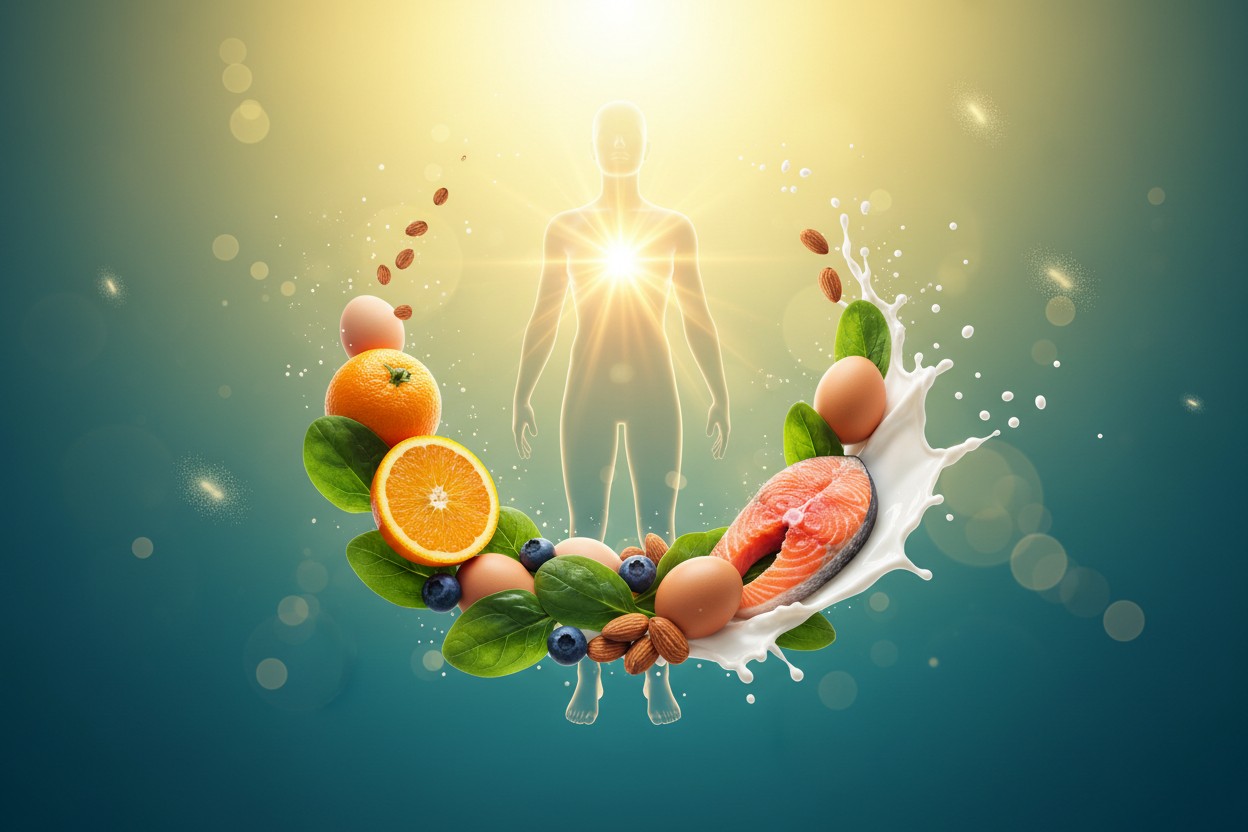
Nutrient requirements for energy production
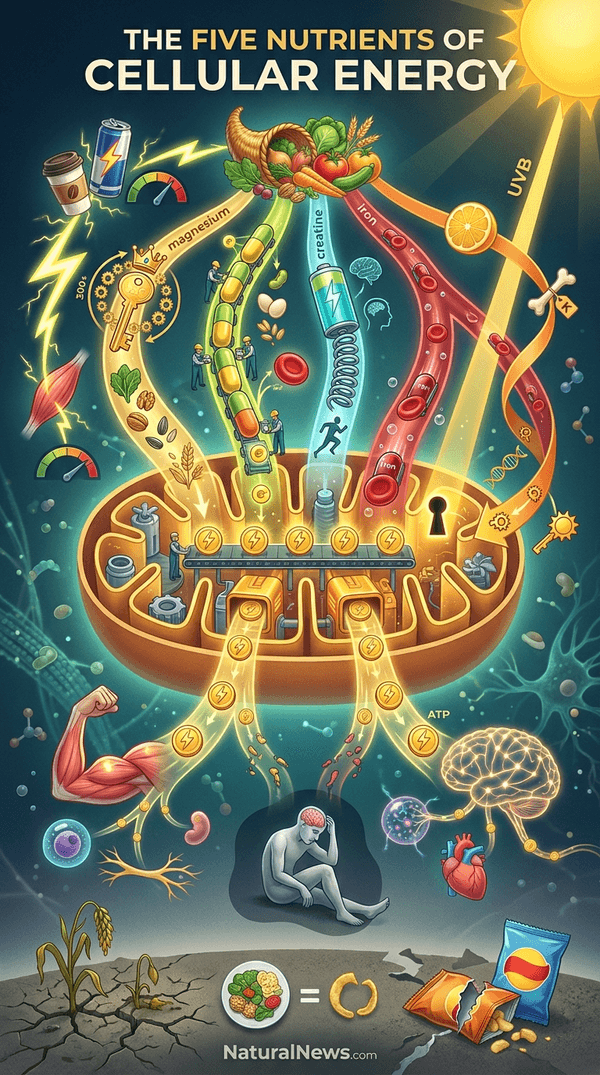
A report published Aug. 4, 2026, by mindbodygreen identified five nutrients -- magnesium, B vitamins, creatine, iron, and vitamin D -- that the body needs to convert food into usable energy. The report’s author, registered dietitian nutritionist Molly Knudsen, M.S., RDN, said caffeine is not the only way to support energy levels. According to the report, the body relies on a steady supply of key nutrients to keep cells, muscles, and the brain functioning optimally.
Dietary modifications are frequently recommended as a first-line strategy for fatigue, according to a report published July 20, 2026, on NaturalNews.com [1]. That report stated that millions of people struggle with low energy because of poor dietary choices, dehydration, and nutrient deficiencies [1]. ANH International wrote that while people often assume food provides everything needed, “the much more relevant question … is whether most of us actually get everything we need from our food” [2]. Ultraprocessed foods lack sleep-supporting nutrients such as tryptophan, fiber, magnesium, and antioxidants, according to an April 29, 2025, NaturalNews.com article [3].
Magnesium and B vitamins support metabolic function
Knudsen said magnesium is involved in more than 300 biochemical reactions, including the production of ATP, the molecule cells use as a primary source of energy. “Your body needs magnesium to convert the food you eat into ATP,” she said. A report published on BrightLearn.ai, “The Magnesium Fix,” described magnesium as “the master mineral” that orchestrates over 300 enzymatic reactions and is essential for energy production [4]. A 2022 clinical trial cited in a NaturalNews.com article found that magnesium supplementation reduced pain and stress in fibromyalgia patients, and the article stated that magnesium regulates nerve function, muscle relaxation, and ATP production [5].
The mindbodygreen report stated that B vitamins help the body break down carbohydrates, fats, and protein and convert them into usable energy. Several B vitamins also support healthy red blood cell formation, which helps transport oxygen throughout the body. Biotin, a B vitamin, plays a role in the conversion of food into energy and is important for healthy skin, hair, and eyes, according to a July 1, 2022, NaturalNews.com article [6]. A study published in March 2026 in the journal Nutrients identified a link between vitamin B12 and folate deficiencies and persistent fatigue [7].
Creatine and iron aid energy delivery and regeneration
According to Knudsen, the body uses creatine to help regenerate ATP during periods of increased energy demand, such as intense exercise. The body naturally produces creatine and obtains it from foods like meat and seafood, but the article said supplementation is the best way to increase creatine stores. A paper published in Annals of Neurology in 2000 stated that creatine “may have other important actions, including acting as a temporal or spatial energy buffer” for cells with high and variable energy demands [8].
Iron is a component of hemoglobin, the protein in red blood cells that carries oxygen throughout the body, according to the report. When iron levels are low, the body may have a harder time delivering oxygen to tissues, which can affect energy levels. Margaret M. Furtado wrote in “The Complete Idiot’s Guide to Eating Well After Weight Loss Surgery” that iron deficiency is not uncommon, particularly among pre-menopausal women [9]. The mindbodygreen report stated that women are more likely than men to have low iron levels because of monthly menstrual blood loss.
Vitamin D linked to fatigue and muscle function
The report stated that vitamin D receptors are found in many tissues, including muscle cells and mitochondria, the energy-producing structures inside cells. Research has found that low vitamin D status is associated with fatigue and lower energy levels, according to Knudsen. A separate article published July 28, 2026, on NaturalNews.com reported that approximately 25% of U.S. adults have moderate or severe vitamin D deficiency and that 41% exhibit insufficient levels [10]. The article also quoted Knudsen as saying, “Vitamin D helps support mitochondria, which generate energy” [10].
Vitamin D can be obtained from sun exposure, food, or supplementation, the mindbodygreen report said. Maintaining adequate vitamin D levels can support overall health and the body’s natural energy processes, according to the report. An interview published on Brighteon.com stated that sunlight enhances the absorption of nutrients, which may explain why some supplements appear not to work [11].
Takeaway: Dietitian advises nutrient-rich diet and filling gaps
In the report’s conclusion, Knudsen said energy levels depend on more than how much sleep a person gets or how much coffee they drink. The body also needs magnesium, B vitamins, iron, creatine, and vitamin D to convert fuel into usable energy. “Prioritizing a nutrient-rich diet and filling any gaps can help support your body’s natural energy production from the inside out,” the article stated.
Lisa Dorfman wrote in “The Vegetarian Sports Nutrition Guide” that some vitamin, mineral, and herbal supplements are helpful and appropriate for certain groups of people at special times, but supplements are not necessary for everyone all the time [12]. The mindbodygreen report advised consulting a health care provider before starting a supplement routine, especially for those who are pregnant, breastfeeding, or taking medications. It also stated that it is always optimal to consult a health care provider when considering what supplements are right for an individual.
References
- NaturalNews.com. "Report: Dietary Adjustments May Help Improve Energy Levels". NaturalNews.com. July 20, 2026.
- ANH International. "Vitamin Supplements Rebutting Fake Prejudice". ANH International. February 08, 2017.
- Willow Tohi. "Ultra-Processed Foods and Poor Sleep: Breaking the Link Through Dietary Choices". NaturalNews.com. April 29, 2025.
- "The Magnesium Fix: Restoring the Body’s Calm on a Carnivore Diet". BrightLearn.ai. July 05, 2026.
- Willow Tohi. "Magnesium: A Potential Breakthrough in Managing Fibromyalgia and Migraines - New Studies Offer Hope". NaturalNews.com. May 09, 2025.
- NaturalNews.com. "10 Superfood Sources of Biotin to Help Boost Your Overall Health". NaturalNews.com. July 01, 2022.
- NaturalNews.com. "Hidden Link: New Study Reveals How B12 and Folate Deficiencies May Fuel Chronic Fatigue". NaturalNews.com. June 25, 2026.
- "Dietary Supplement Creatine Protects Against Traumatic Brain Injury". Annals of Neurology. 2000.
- Margaret M. Furtado. "The Complete Idiot’s Guide to Eating Well After Weight Loss Surgery".
- NaturalNews.com. "Vitamin D Deficiency Linked to Low Energy, Fatigue, Studies Find". NaturalNews.com. July 28, 2026.
- Mike Adams. "2025 10 16 BBN Interview with Otto ". Brighteon.com.
- Lisa Dorfman. "The Vegetarian Sports Nutrition Guide: Peak Performance for Beginners to Gold Medalists".
Explainer Infographic






Please contact us for more information.


