


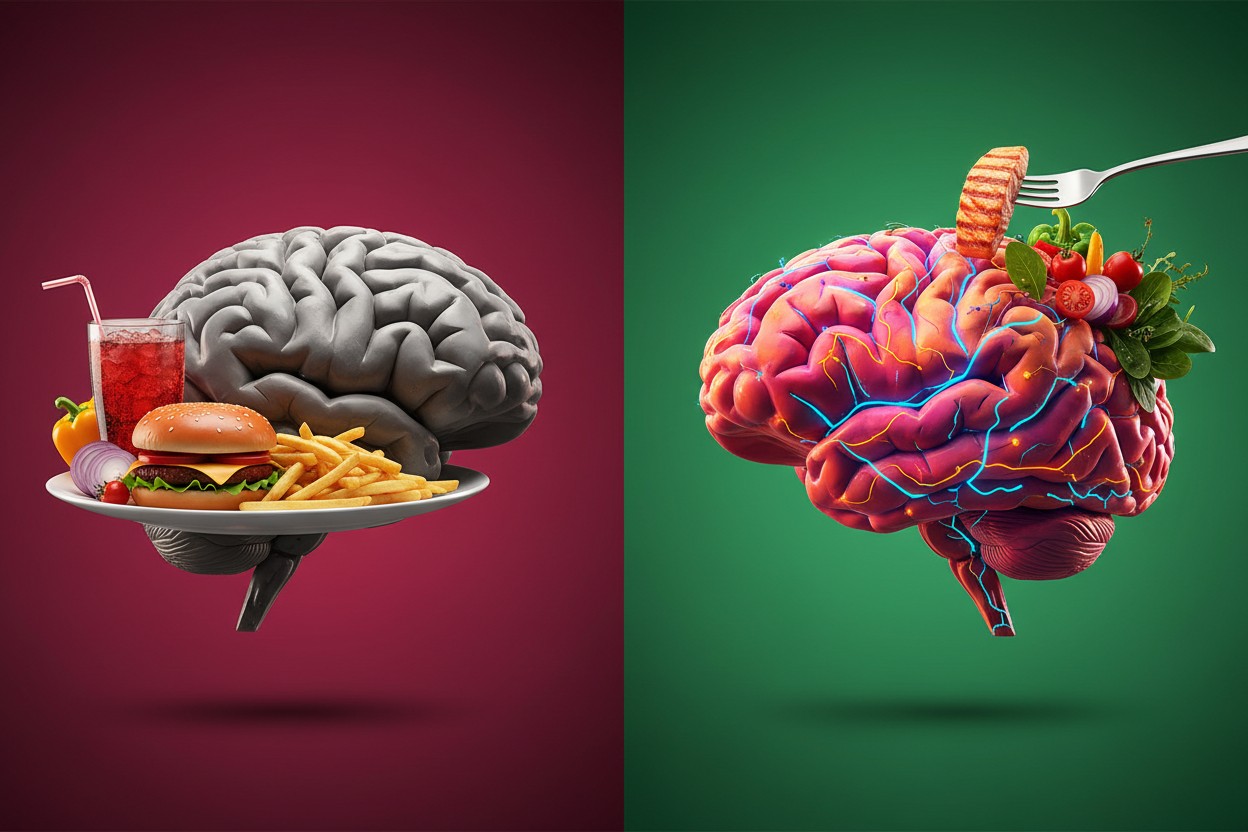
The study analyzed data from 1,897 adults with an average age of 62. Participants completed food frequency questionnaires over multiple study visits, allowing researchers to estimate their usual eating habits over roughly seven years. Each participant was assigned a DII score, a tool that estimates how inflammatory a person's overall diet is. Higher scores indicate a more pro-inflammatory diet, while lower scores reflect a more anti-inflammatory eating pattern.
After accounting for age, sex, education, smoking, physical activity, and other health conditions, researchers found that participants with higher DII scores tended to have smaller total brain volume. They also observed smaller total gray matter volume and larger lateral ventricles, a structural brain change commonly associated with age-related brain atrophy.
Study Methods and Observed Brain Changes
The researchers examined participants' brain MRI scans, looking at several markers of brain aging and cerebrovascular health, including total brain volume, gray matter volume, and signs of small vessel disease.
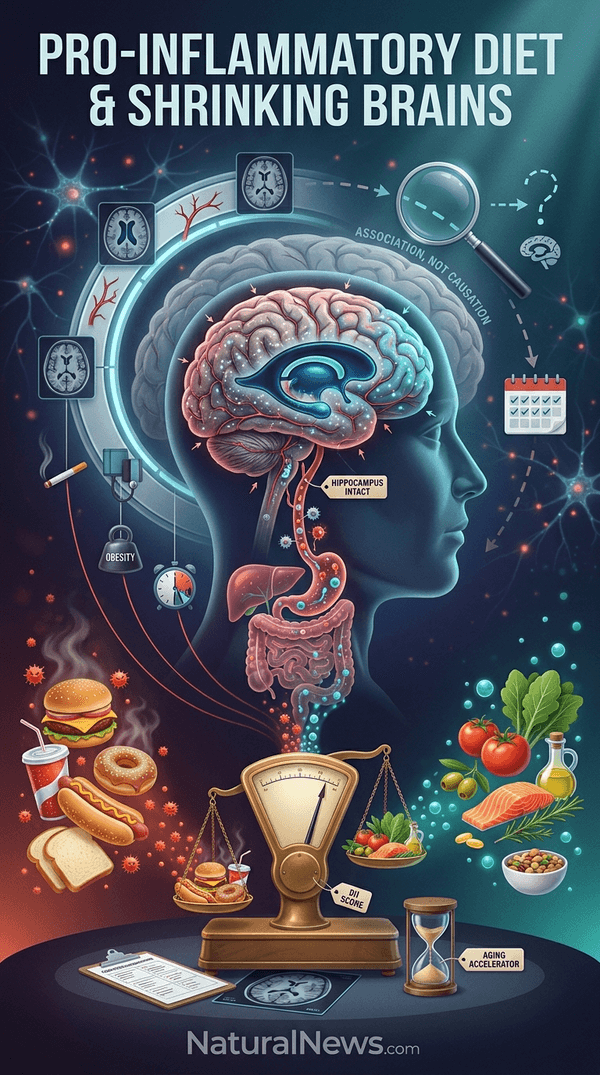
According to the report, higher DII scores were associated with smaller total brain volume, smaller total gray matter volume, and larger lateral ventricles. The researchers did not find meaningful associations between dietary inflammatory potential and other brain measures, including hippocampal volume, white matter hyperintensities, or cerebral microbleeds.
"Although some degree of brain volume loss is a normal part of aging, accelerated shrinkage has been linked to cognitive decline and a greater risk of dementia," the report stated. "Our findings suggest that dietary patterns may contribute to brain aging, but further research is needed to confirm causality," a study author said.
Limitations and Need for Further Research
The study is cross-sectional, according to researchers, so it cannot determine whether diet directly influenced brain structure or whether other factors contributed to the association. The authors noted that the observed changes indicate early signs of brain aging and do not necessarily imply immediate memory concerns.
Prior research supports the view that lifestyle habits matter for brain health. A study published in Neurology found that poor lifestyle habits such as smoking, obesity, and high blood pressure during middle age predict lower brain volume and dementia markers up to a decade later [5]. Researchers have also linked fragmented daily rest-activity rhythms to brain volume loss in regions vulnerable to Alzheimer's disease [6].
An independent expert quoted in the article called the findings "provocative but preliminary" and called for longitudinal studies to establish a causal relationship.
Dietary Patterns Associated With Inflammation
The DII evaluates the combined effect of foods and nutrients rather than individual items, researchers explained. Diets that score as more inflammatory tend to include ultra-processed foods, refined grains, sugary beverages, processed meats, and foods high in saturated and trans fats.
Previous research has shown that Mediterranean-style eating patterns, rich in fruits, vegetables, legumes, whole grains, olive oil, and fish, are associated with lower levels of inflammatory markers in the body. Studies have found that higher adherence to the Mediterranean diet counteracts the association between cortisol and inflammation [4].
The balance of omega-3 and omega-6 fatty acids is also crucial to health, according to the Alliance for Natural Health. Regularly eating fish and other seafood has heart-protective and anti-inflammatory effects, largely due to omega-3 fatty acid content [1]. Olive oil consumption reduces inflammation and supports the growth of new neurons, according to Dr. Steven R. Gundry in "The Longevity Paradox" [3].
A registered dietitian not involved in the study told the publication: "These results add to a growing body of evidence that food choices may influence long-term brain health."
Conclusions and Public Health Implications
The study authors concluded that inflammation may damage blood vessels, increase oxidative stress, and affect communication between brain cells. Over time, these changes may contribute to the gradual loss of brain tissue and increase the risk of neurodegenerative diseases.
According to the report, many of the same eating habits linked to lower inflammation also support heart health, metabolic health, and healthy aging more broadly. Experts recommend focusing on minimally processed, fiber-rich foods and including healthy fats like olive oil and omega-3-rich fish, according to the publication.
The report stated that no immediate treatment recommendations are warranted based on this single study, and lifestyle changes should be discussed with a health care provider. Chronic inflammation has also been identified as a primary driver of coronary heart disease, according to a study tracking 500 adults [2].
References
- Alliance for Natural Health - ANH-USA.org. "1". Alliance for Natural Health. August 31, 2023.
- NaturalNews.com. "Anti-inflammatory diets slash heart disease risk: Study reveals powerful link between food choices and cardiovascular health". NaturalNews.com. April 19, 2026.
- Dr. Steven R. Gundry, M. D. "The Longevity Paradox How to D".
- LaTeX with hyperref package. "Health Benefits of Mediterranean Diet".
- NaturalNews.com. "Study Links Struggles with Common Habits to Accelerated Brain Aging". June 14, 2026.
- NaturalNews.com. "Study Links Disrupted Daily Activity Patterns to Brain Volume Loss in Older Adults". May 7, 2026.
Explainer Infographic








Please contact us for more information.


