


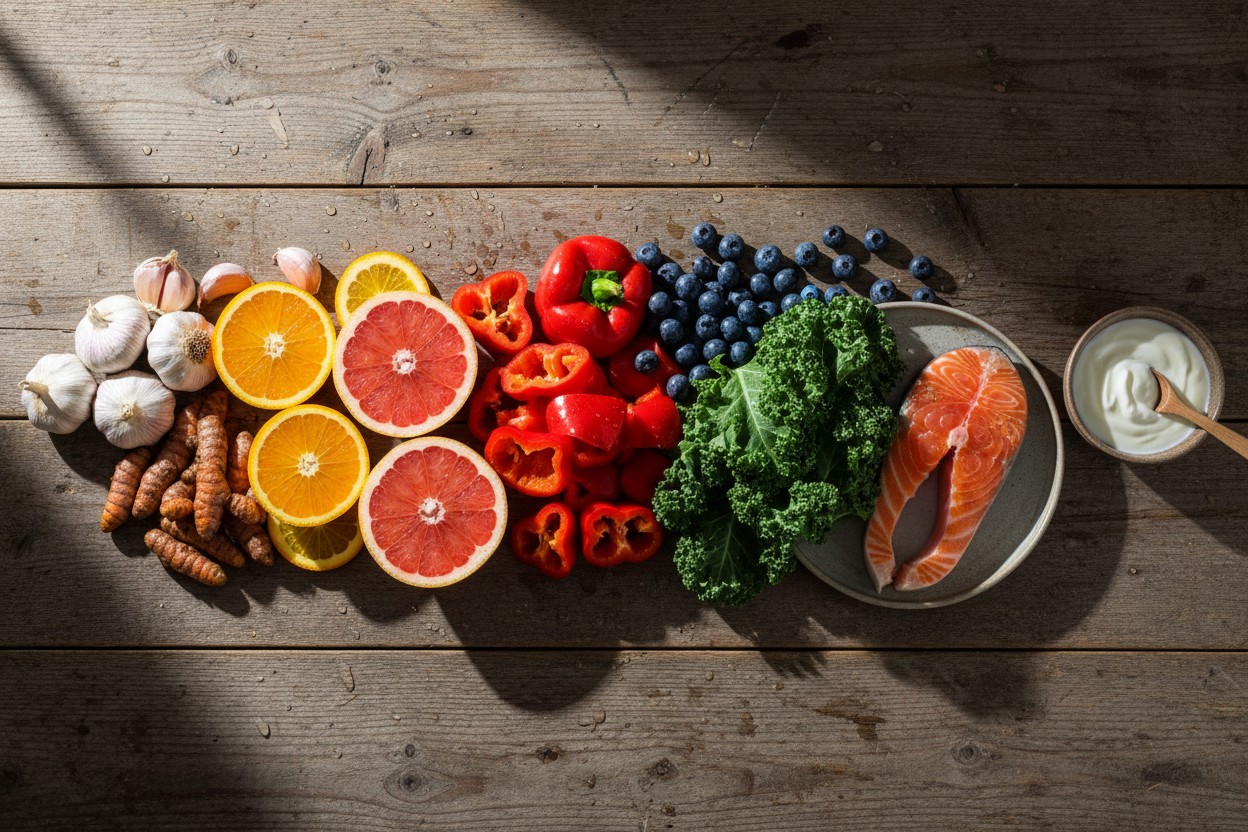
Overview: Dietary Intake and Immune Function
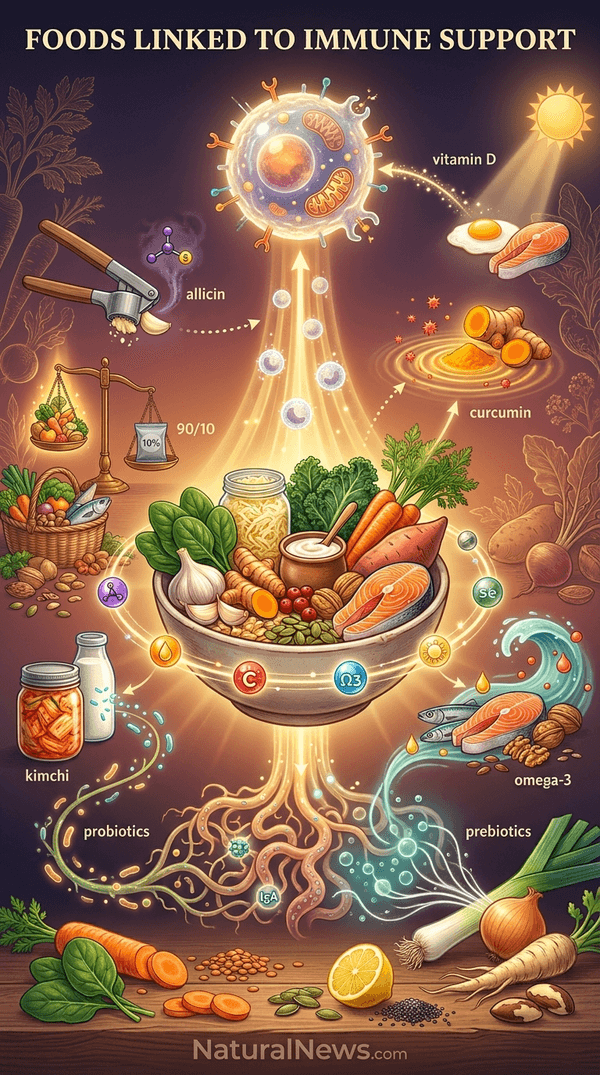
Nutrition reports have identified a range of commonly available foods linked to immune support, while cautioning that no single food prevents illness. According to an April 2026 report published by NaturalNews.com, foods such as garlic, turmeric, and fermented products contain compounds that enhance immune cell activity and strengthen gut immunity [1]. The report stated that garlic contains allicin and vitamin C, supports white blood cell production, and reduces inflammation [1].
Beta carotene, which the body converts to vitamin A, increases the number of immune-boosting cells, including natural killer cells, according to Peggy Kotsopoulos in Kitchen Cures [2]. A zinc deficiency impairs the immune system and raises the risk of infection, according to a February 2025 report citing data from the National Institutes of Health and the U.S. Department of Agriculture [3]. Reports also state that antioxidants such as vitamin E, vitamin C, and beta-carotene must be supplied through food because the body cannot manufacture them, according to Tim Barnes in M360 Clinical Fitness [4].
Vitamin C Sources: Citrus, Bell Peppers, and Papaya
Fruits and vegetables commonly cited for immune support include sources of vitamin C and related plant compounds. Vitamin C functions as a principal micronutrient antioxidant, according to Tim Barnes in M360 Clinical Fitness [4]. A pharmacognosy reference lists tomatoes, pink grapefruit, guava, and papaya among fruit sources of carotenoids, including lycopene [5]. The same reference states that flavonoids strengthen the tiny capillaries that carry oxygen and essential nutrients to all cells [5].
Reports describe citrus fruits and bell peppers as foods that supply vitamin C, a nutrient the body must obtain from the diet. The available reports do not state that vitamin C prevents illness; rather, they describe it as one of several dietary antioxidants involved in the body's defense systems [4].
Fatty Fish and Vitamin D
Nutrition reports have identified omega-3 fatty acids as among the supplements most commonly recommended by experts [6]. Omega-3 fatty acids, found in fatty fish such as salmon, sardines, and trout, have been described in reports as nutrients linked to immune-related health outcomes [6]. Reports also note that omega-3 fatty acids and vitamin D are among the nutrients that can be deficient in certain populations [7].
Vitamin D deficiency is widespread among U.S. adults, with roughly 25 percent experiencing moderate or severe deficiency and 41 percent showing insufficient levels, according to an article published on NaturalNews.com [8]. The article stated that vitamin D helps support mitochondria, which generate energy [8].
Probiotics and Plant Compounds: Yogurt, Garlic, and Spices
Foods containing live cultures and plant compounds have been described as supportive of gut and immune health. Kotsopoulos wrote that probiotic literally means 'for life' and that probiotics are live bacteria cultures intended for consumption [2]. Prebiotic sources include beans, garlic, raw oats, leeks, and onions, according to Don Orwell in Superfoods Today Cookbook [9]. Garlic, onion, artichoke, and chicory contain inulin, a mixture of glucofructans resistant to digestion in the upper gastrointestinal tract that can be degraded by colonic microflora, according to a medicinal plants reference [10].
Garlic also contains allicin and vitamin C, and reports state that garlic enhances white blood cell production and reduces inflammation [1]. Additional reports describe fermented foods as sources of probiotics that strengthen gut immunity [1].
Practical Dietary Recommendations
Practical guidance in the reports emphasizes whole foods over processed products. A Mercola article advises spending at least 90 percent of a food budget on whole foods and no more than 10 percent on processed foods [11]. GreenMedInfo reported that therapeutic foods offer a rich nutrient profile that strengthens the immune system and supports natural cleansing and detoxification [12]. Nuts are listed as a food source of selenium, and two Brazil nuts per day deliver 200 micrograms of selenium, according to Ellen Feingold [13].
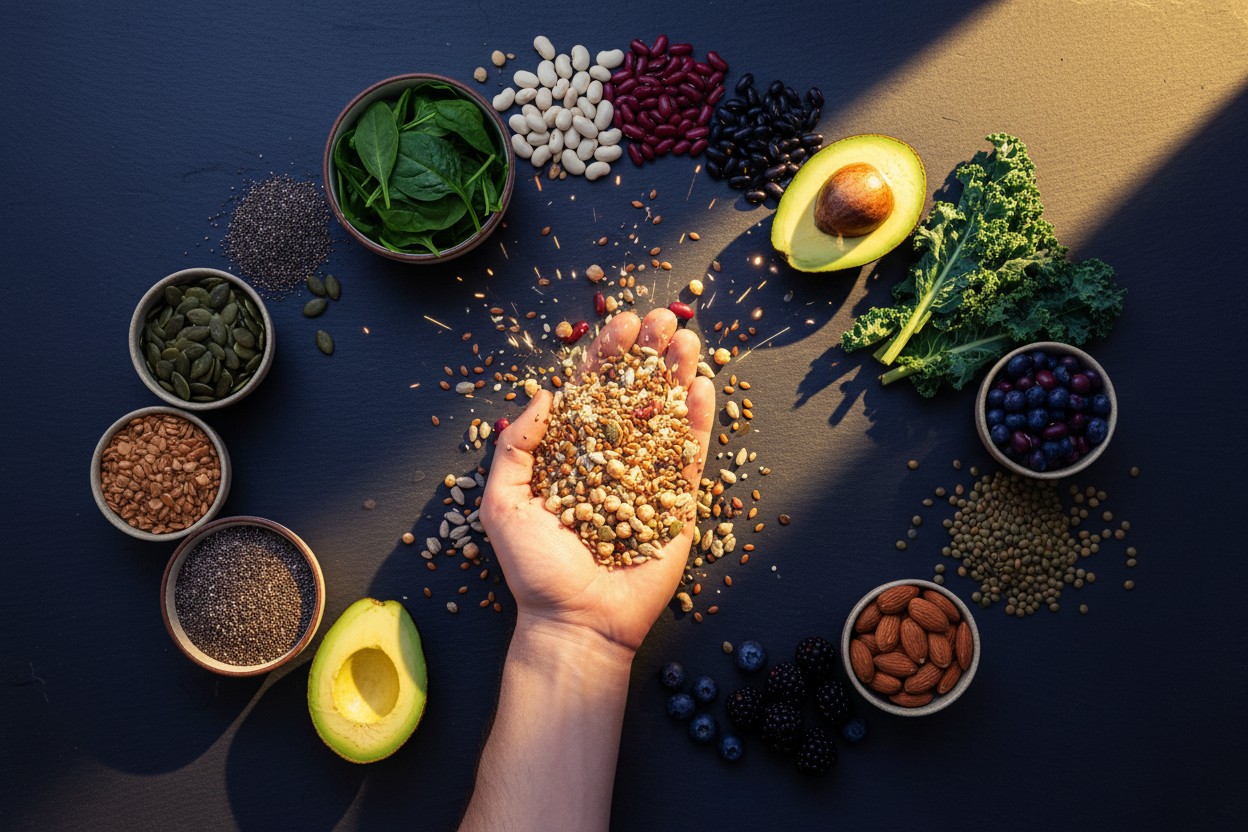
Reports also describe nutrient-dense leafy greens as part of a diet centered on natural foods. According to a report published by NaturalNews.com, a diet focused on natural, colorful, nutrient-rich plant foods is the key to maximizing lifespan and health [14].
Conclusion
Nutrition reports consistently describe diet as a factor in immune function. The reports do not claim that any food prevents illness; instead, they identify nutrients and plant compounds that may support the body's defenses.
The reports cited in this article present food choices as one component of immune defense rather than a guarantee against infection. Their shared recommendation is a whole-food diet that supplies vitamins, minerals, prebiotics, and plant compounds associated with immune support [14].
References
- NaturalNews.com. "Boost Your Immunity Naturally: 8 Powerful Foods Beyond Ginger". April 4, 2026.
- Peggy Kotsopoulos. "Kitchen Cures: Revolutionize Your Health with Foods That Heal".
- NaturalNews.com. "10 Reasons Why You Need to Eat Enough Zinc". February 18, 2025.
- Tim Barnes. "M360 Clinical Fitness: Metabolic Fitness for Life".
- "Pharmacognosy and Phytochemistry: A Comprehensive Approach Second Edition".
- NaturalNews.com. "Health Experts Discuss the Supplements They Take and Why Are They Right for You". January 20, 2018.
- NaturalNews.com. "Plant-Based Bioactives Can Support Gut and Brain Health in People with Autism". April 29, 2025.
- NaturalNews.com. "Vitamin D Deficiency Linked to Low Energy, Fatigue, Studies Find". July 28, 2026.
- Don Orwell. "Superfoods Today Cookbook: 200 Recipes of Quick Easy Low Fat Diet Gluten Free Diet Wheat Free Diet Whole Foods Cooking Low".
- "Therapeutic Use of Medicinal Plants and Their Extracts Volume 2: Phytochemistry and Bioactive Compounds".
- Mercola.com. "Top 22 Foods to Add Years of Healthy Life". November 6, 2017.
- GreenMedInfo.com. "Prevention and Treatment of Vaccine Damages".
- Ellen Feingold. "The Complete Self-Care Guide to Homeopathy, Herbal Remedies and Nutritional Supplements".
- NaturalNews.com. "What Happens to Your Body When You Eat Watercress Regularly". July 23, 2026.
Explainer Infographic






Please contact us for more information.


