


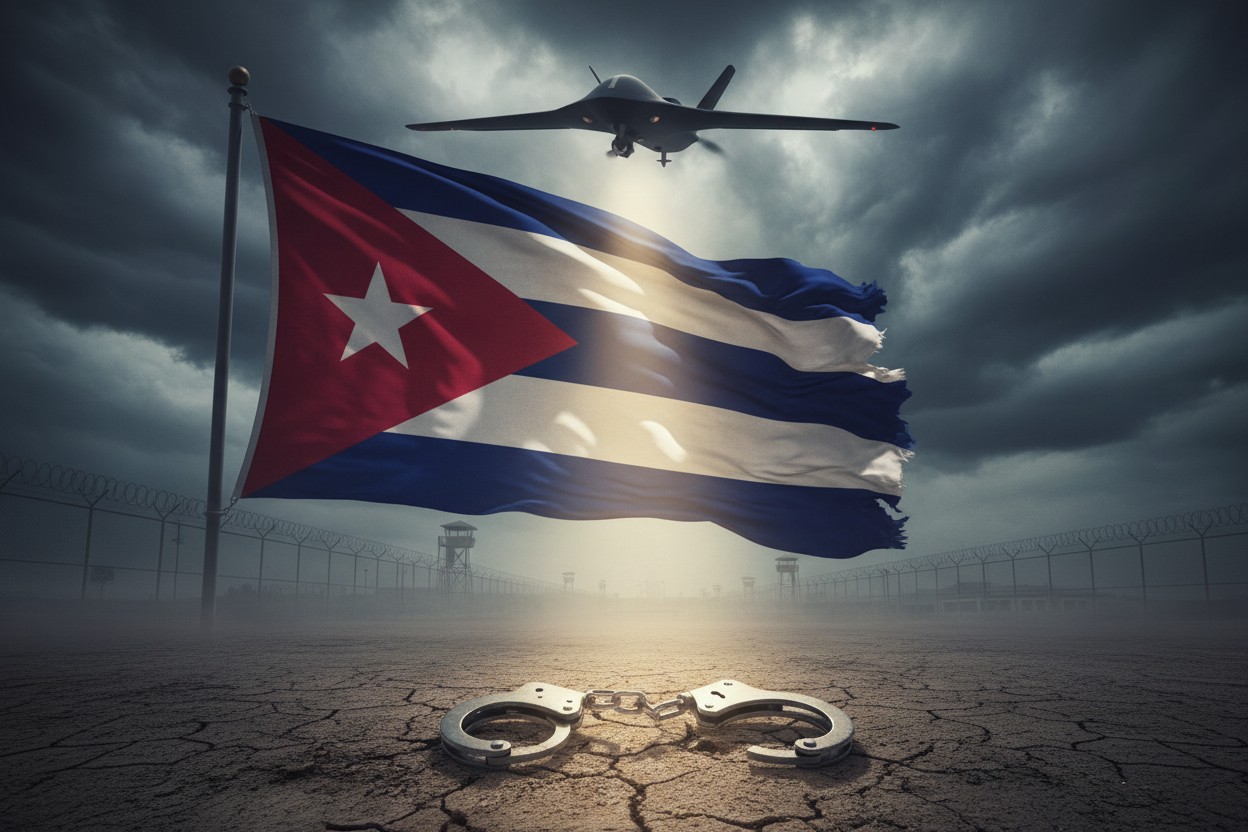
- Pentagon planners have examined options for a large-scale military operation against Cuba, including an Army-led air assault involving thousands of troops from the 101st Airborne Division.
- The potential operation comes as the Trump administration's economic blockade has caused infant mortality rates to double and essential medicines to drop to 30% of normal supply levels.
- UN human rights chief Volker Türk has called the sanctions “indiscriminate and harsh” and warned children are dying due to lack of medical access.
- U.S. military resources are already stretched thin by ongoing operations against Iran, creating logistical complications for any Cuba intervention.
- Secretary of State Marco Rubio has publicly favored diplomatic solutions, while President Trump has openly threatened invasion of the island nation.
Senior Pentagon officials have in recent weeks examined a range of military options against Cuba, including a potential air assault involving thousands of U.S. soldiers, as the Trump administration's economic blockade pushes the island nation deeper into humanitarian crisis, multiple U.S. officials told CBS News on July 16, 2026.
The planning comes amid a worsening humanitarian situation that has seen infant mortality double, childhood cancer survival rates fall from 85% to 65%, and essential medicines available at only 30% of normal supply levels, according to the UN human rights office. The blockade, intensified since President Trump returned to office in January 2025, has triggered mass blackouts, food shortages and protests across the island.
Military planning details
The options under consideration include an “Army-led air assault involving thousands of U.S. soldiers to be carried out by the 101st Airborne Division, the only unit trained for such a task,” according to anonymous U.S. officials. The Pentagon held a concept-of-operations briefing in late June to discuss early-stage planning for select missions.
Officials stressed the briefings do not indicate President Trump or the Department of War has made a final decision to invade. However, the planning represents the most concrete military contingency discussions targeting Cuba since the Cold War.
Any operation would confront significant logistical challenges, as much of the U.S. military's offensive capabilities remain committed to Operation Epic Fury, the ongoing campaign against Iran that resumed after a weeks-long ceasefire collapsed.
Humanitarian crisis deepens
UN human rights chief Volker Türk issued a stark warning on June 8, stating that children are dying “because doctors lack access to essential medical supplies and medicines.” He called the sanctions packages “indiscriminate and harsh” and said they produce effects “incompatible with basic principles of international human rights law.”
The economic siege has crippled Cuba's infrastructure. Fuel shortages have reduced food production by 60%, according to UN estimates. Cuba's power grid collapsed three times in 10 days in July, affecting approximately 10 million people. Cuban Foreign Minister Bruno Rodríguez described the situation as “the genocidal oil blockade” combined with continued sanctions against energy companies.
Historical context
The current escalation represents the most aggressive U.S. posture toward Cuba since the 1962 Cuban Missile Crisis. The Trump administration has systematically dismantled the limited engagement pursued under former Presidents Joe Biden and Barack Obama, replacing it with a campaign of economic, diplomatic and legal pressure.
Hours after returning to office in January 2025, Trump reversed one of Biden's final foreign policy decisions by restoring Cuba's designation as a state sponsor of terrorism. The administration has since expanded restrictions on travel, remittances and financial transactions, while targeting foreign governments and companies supplying the island with oil.
Secretary of State Marco Rubio, who has advocated for regime change in both Cuba and Venezuela, has publicly emphasized preference for a diplomatic transition to a new government led by technocrats willing to make economic reforms. However, that process has stalled despite tightening financial pressure around the Cuban military and its conglomerate GAESA.
Competing priorities
The potential Cuba operation creates a dilemma for Pentagon planners already stretched by the Iran campaign. Tensions have emerged between Trump and Defense Secretary Pete Hegseth over the pace of Operation Epic Fury, with the president expressing frustration that the administration missed an opportunity to avert a protracted conflict earlier this year.
The intelligence community's 2026 annual threat assessment largely portrays Cuba as an enabling environment for larger geopolitical competitors—specifically Russia, China and Iran—rather than as an independent strategic threat. The assessment does not identify Cuba as possessing military capabilities that materially threaten the United States.
A tipping point approaches
The combination of crippling economic sanctions, military planning for potential invasion and a deepening humanitarian crisis places U.S.-Cuba relations at a critical juncture not seen in over six decades. Children are dying, infrastructure is collapsing and the window for diplomatic resolution appears to be closing. Whether the Pentagon's contingency planning represents genuine preparation or coercive brinkmanship remains unclear. What is certain is that the human cost of the current trajectory grows more severe with each passing week, and the consequences of any military intervention would reverberate far beyond the Caribbean.
Sources for this article include:








Please contact us for more information.


