



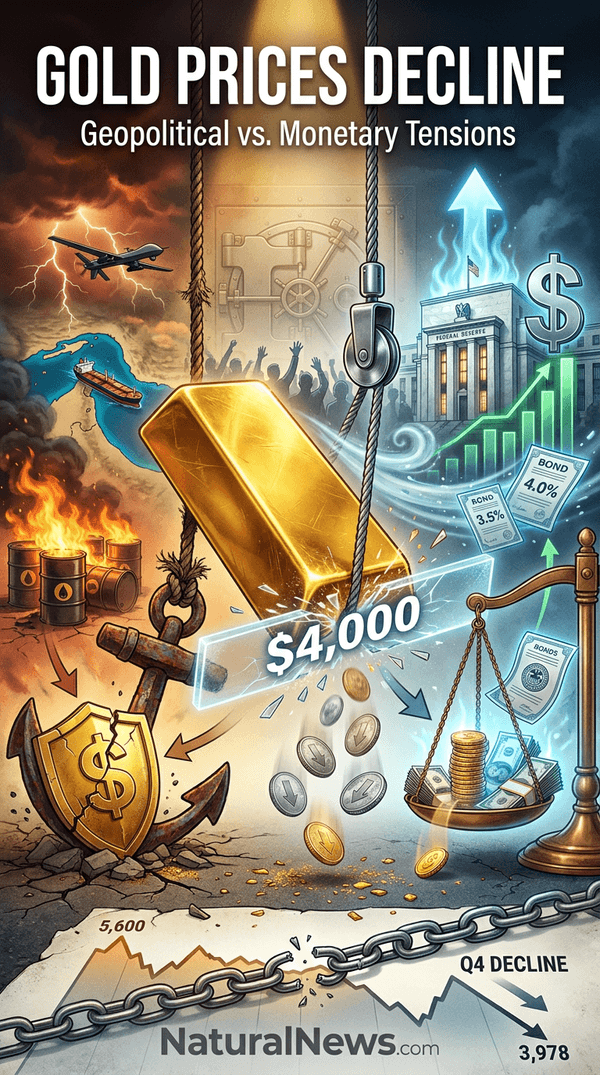
The decline occurred despite the persistence of geopolitical tensions in the Middle East, which would typically boost demand for gold as a safe-haven asset. Analysts said the prospect of tighter monetary policy overwhelmed the geopolitical risk premium, leading to a broad selloff in the precious metals complex. The selloff accelerated after Fed Chair Kevin Warsh signaled a more aggressive approach to inflation, pushing the dollar index higher [2].
U.S.-Iran Tensions Escalate
The U.S.-Iran conflict has remained volatile throughout 2026. In late February, gold climbed above $5,250 an ounce as escalating tensions and a U.S. military buildup boosted safe-haven demand, according to a report by Laura Harris [3]. The situation saw periods of de-escalation, including a ceasefire extension brokered by Pakistan in April, which President Donald Trump extended on April 21, according to Willow Tohi [4]. However, by July 8, Trump declared the ceasefire over, calling it "a waste of time" after the U.S. launched strikes against Iran in response to attacks on ships transiting the Strait of Hormuz, according to Zero Hedge [5].
Despite the heightened geopolitical risk, gold prices did not rally. Investors instead focused on the potential for higher U.S. interest rates, which raise the opportunity cost of holding non-yielding assets like gold. In April, gold had steadied near historic highs as optimism over renewed peace talks balanced against risks, according to Jacob Thomas [6]. But by late June, the metal reversed course sharply, indicating that monetary policy expectations had become the dominant market driver.
Fed Rate Hike Bets Intensify
Strong economic data, including persistent inflation readings, led market participants to increase bets on a rate hike at the next Federal Open Market Committee meeting, according to CME FedWatch data cited by Zero Hedge [7]. Fed Chair Kevin Warsh, nominated by President Donald Trump, signaled a more aggressive approach to inflation, driving the dollar index up 0.8% since the last Fed meeting, according to a NaturalNews.com report [2]. The dollar’s strength weighs on gold because the metal is priced in U.S. currency.
"The market is pricing in a higher probability of a hike, which is negative for gold because it raises the opportunity cost of holding non-yielding assets," a commodities strategist said in a note cited by Zero Hedge [7].
Gold Market Reaction and Analyst Views
Spot gold dropped 3.4% to $3,978.67 an ounce on June 24, marking its largest single-day decline in weeks, exchange data showed [1]. The metal briefly slipped below the psychologically important $4,000 level for the first time since November 2025 before stabilizing. According to a report from NaturalNews.com, gold is closing out its worst quarter since 2013, with spot prices falling roughly 24% from January's record high near $5,600 [8]. Silver fared even worse, tumbling as much as 22% over the same three-month period.
Trading volumes surged as speculative long positions were liquidated, according to data from the CME. Several analysts attributed the selloff to a shift in investor focus from geopolitical risk to monetary policy tightening. LPL Financial analysts noted that gold was acting as financial insurance rather than a speculative asset, according to Daily Reckoning [9].
Outlook and Potential Support Levels
Some analysts forecast further downside if the Fed maintains a hawkish stance. Technical charts indicate key support at $3,850 per ounce, according to pattern analysis. Conversely, a sudden escalation in U.S.-Iran hostilities could trigger a short-term bounce, a geopolitical risk analyst said. "The situation remains fluid, and gold could regain its safe-haven bid if tensions spiral," the analyst said.
Despite the recent decline, long-term gold advocates point to the metal’s role as a store of value in a system of overleveraged fiat currencies. The broader context of rising debt levels and central bank gold purchases -- China’s central bank added 480,000 ounces in June, the largest monthly gain since October 2023, according to Reuters via NaturalNews.com [10] -- suggests underlying demand. However, near-term price action remains tied to the trajectory of U.S. interest rates and the direction of the dollar, according to market participants.
References
- "Gold falls below $4,000 an ounce as US rate expectations rise". Middle East Eye. June 24, 2026.
- "Gold Declines Toward $4,000 as Tech-Led Selloff Hits Global Markets". NaturalNews.com. June 25, 2026.
- Laura Harris. "Gold Climbs Above $5,250 as Middle East Tensions Fuel Safe-Haven Demand". NaturalNews.com. March 3, 2026.
- Willow Tohi. "U.S.-Iran Ceasefire Extended as Pakistan Brokers Diplomatic Pause; Analysts Warn of Fragile Calm". NaturalNews.com. April 23, 2026.
- "Futures Slide, Oil Jumps After Trump Declares Iran Ceasefire Over". Zero Hedge. July 8, 2026.
- Jacob Thomas. "Gold Holds Steady as Markets Balance Fragile Optimism and Geopolitical Risk". NaturalNews.com. April 21, 2026.
- "Hawkish Warsh Hammers Barbarous Relic: Gold Crashes Back Below $4000 As Rate-Hike Odds Rise". Zero Hedge. June 24, 2026.
- "Gold's worst quarter in 13 years tests the safe-haven trade". NaturalNews.com. July 1, 2026.
- "A Golden Opportunity Just Appeared". Daily Reckoning. June 24, 2026.
- "China's Gold Reserves Rise Most Since 2023 Amid Bullion Price Decline". NaturalNews.com. July 10, 2026.
- "Trends-Journal-2023-01-04".
- "Trends-Journal-2022-09-26".
Explainer Infographic










Please contact us for more information.


