


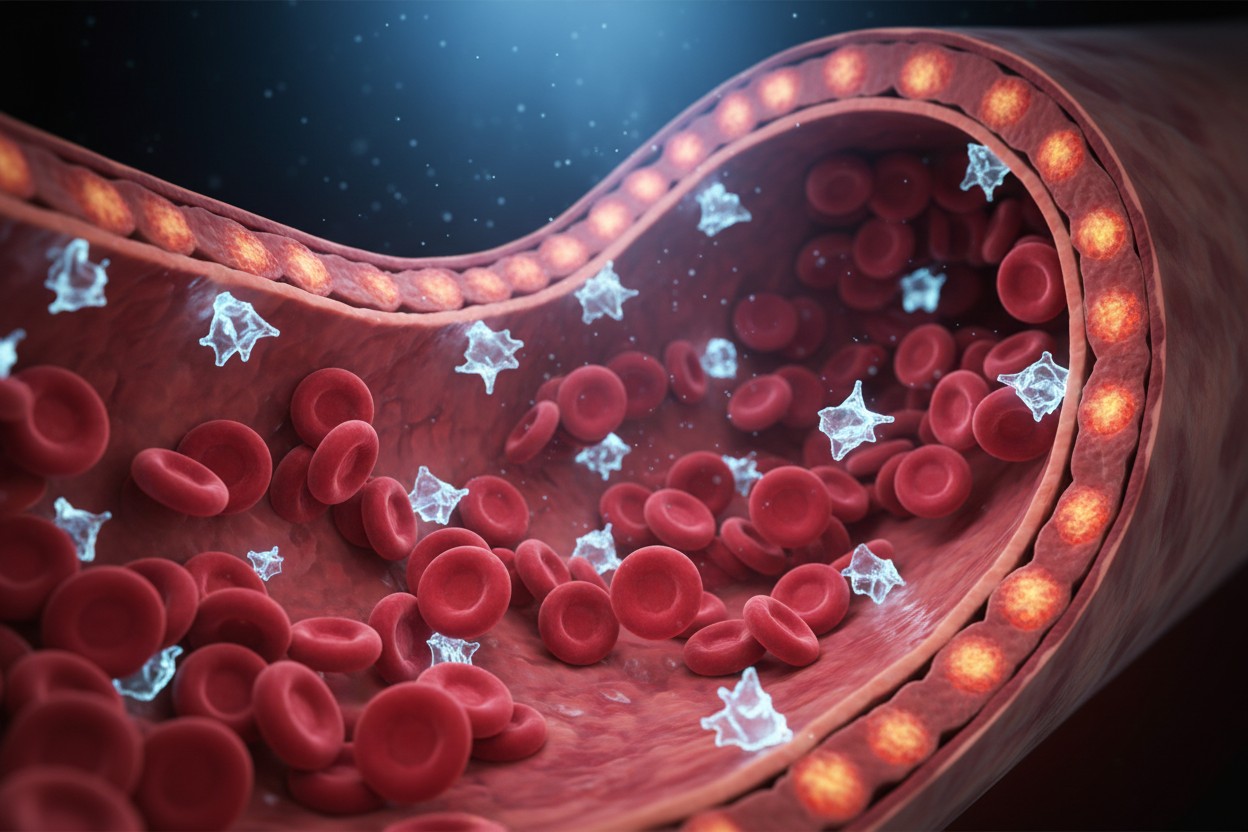
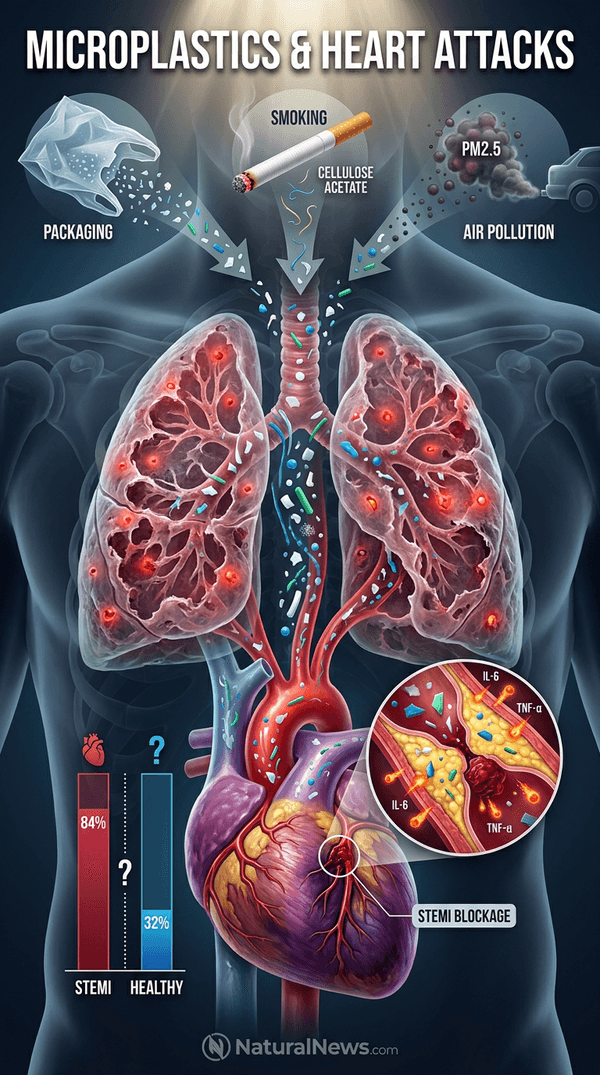
By contrast, only 32% of participants with healthy coronary arteries had detectable plastic particles, the study found. Polyethylene, a plastic commonly used in packaging, was the most frequently identified material, officials said.
The findings, reported by the National Pulse, add to a growing body of evidence linking environmental pollutants to cardiovascular disease. A prior study published in 2024 found that patients with microplastics in arterial plaque faced a substantially elevated risk of heart attack, stroke, and early death, NaturalNews.com reported. The new study measured microplastics directly in blood flowing to the heart, not in plaque, providing a different but complementary line of inquiry.
Methodology and Findings
STEMI occurs when a coronary artery is suddenly blocked, cutting off blood flow to the heart muscle and requiring immediate emergency treatment, according to medical officials. Researchers in the new study analyzed blood samples drawn from the coronary arteries of patients undergoing angiography and found microplastic particles in a majority of those who had experienced a STEMI.
Patients with detectable microplastics also exhibited higher levels of inflammatory markers linked to plaque instability and heart attacks, the study reported. This aligns with earlier research showing that the presence of microplastics and nanoplastics in arterial plaques was associated with increased inflammation, as noted in the Trends-Journal. Nanoplastics, because of their small size, can migrate from the digestive tract or lungs into the bloodstream, invading individual cells and tissues in major organs, the Trends-Journal analysis stated.
Independent Risk Factors Identified
The study identified cigarette smoking and long-term exposure to fine particulate air pollution as independent factors associated with the presence of microplastics in the bloodstream, according to the researchers. Barbato stated: "Smoking may act as both a source of toxins and a pathway for plastics to reach the blood," as reported by the National Pulse.
Researchers suggested that damaged lung tissue may allow particles to enter circulation more easily. A separate study on microplastics in arteries found these particles embedded in human arterial plaque at levels 51 times higher in patients who had experienced strokes or heart attacks, indicating that respiratory exposure pathways are a likely route of entry.
Expert Reactions and Caveats
Dr. Joyce Oen-Hsiao, a cardiologist at Yale Medicine, commented on the findings: "This adds to the evidence that microplastics can lead to localized inflammatory reactions, which can raise the risk of heart attack due to plaque rupture," according to a report by Everyday Health.
Experts not involved in the study told reporters that the findings add to growing evidence that environmental pollutants may contribute to cardiovascular disease, but stressed that the research does not prove microplastics directly cause heart attacks. They noted that the observational nature of the study cannot establish causation and that further research is needed to confirm the relationship.
Implications and Next Steps
The findings raise questions about the role of environmental pollutants in cardiovascular health, according to the researchers. Further studies are needed to establish causality and assess long-term risks, the study authors said. The research also underscores the importance of reducing exposure to microplastics, which are pervasive in food, water and air.
For individuals looking to lower their exposure, experts recommend avoiding plastic food containers, especially when heating, and using filtered tap water instead of bottled water, as bottled water has been shown to contain microplastic particles. Ongoing research continues to investigate the health effects of these widespread contaminants.
References
- The National Pulse. "Microplastics in Blood Identified as Factor in Severe Heart Attack Cases." July 17, 2026.
- Ava Grace. "The invisible invader How microplastics infiltrate your arteries and endanger your health." NaturalNews.com. September 16, 2025.
- NaturalNews.com. "Microplastics linked to higher risk of heart attack stroke and early death." July 26, 2024.
- Trends-Journal-2024-05-19.
- Trends-Journal-2023-09-35.
- Everyday Health. "Microplastics in Heart Arteries Linked to Severe Heart Attacks." July 15, 2026.
Explainer Infographic












Please contact us for more information.


