


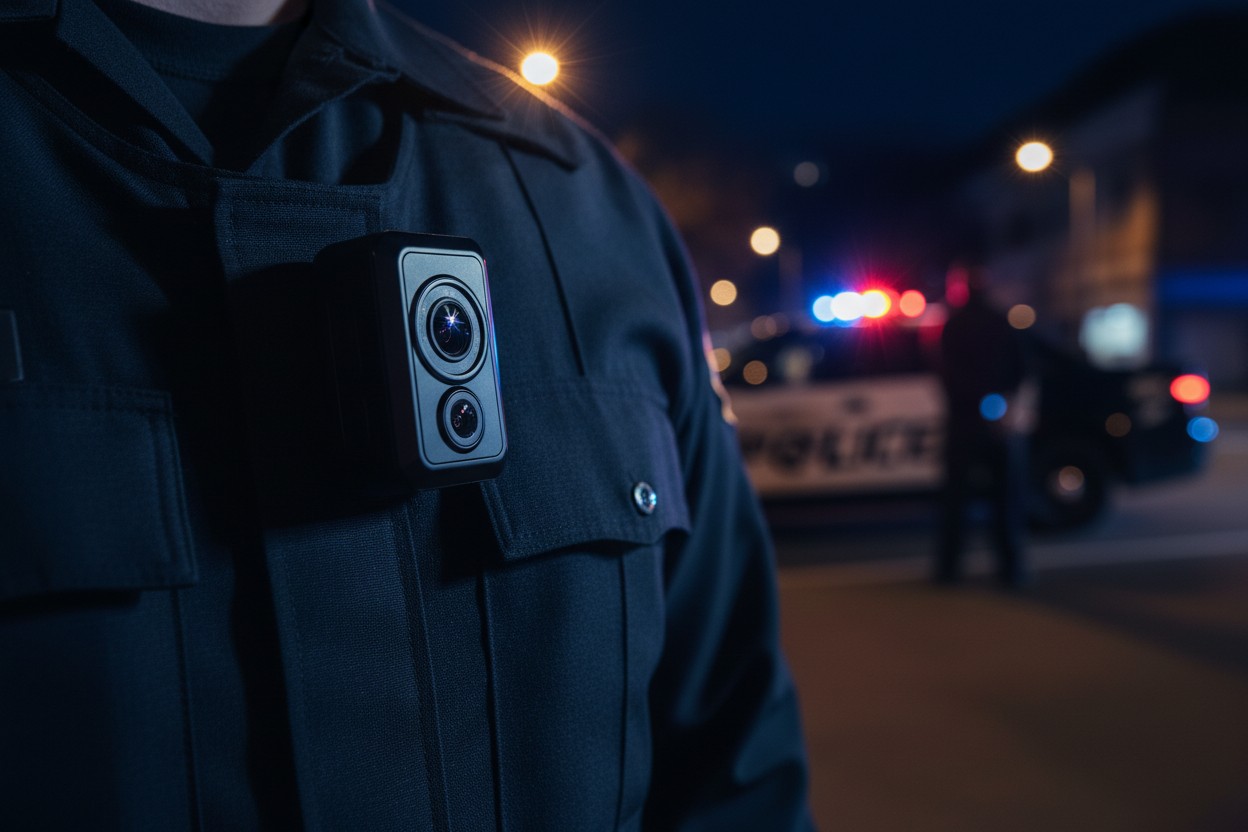
The mandate came after two fatal shootings in Texas and Maine and a surge in assaults against officers. The decision announced Wednesday, July 15, requires that bodycams be worn by all ICE law enforcement officers during interactions with the public.
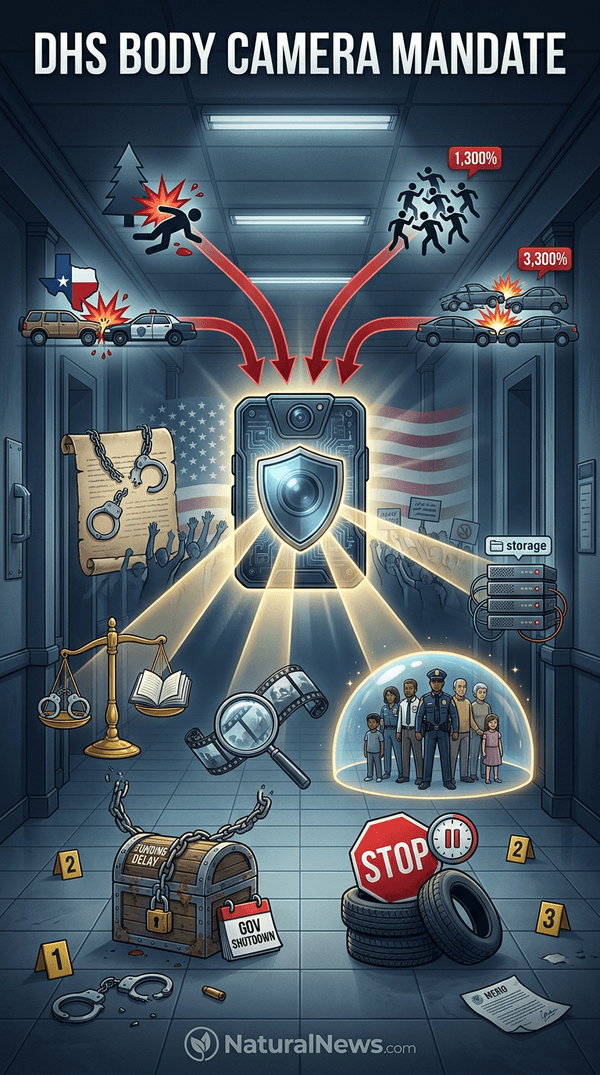
"Ensuring all of our ICE law enforcement officers have body cameras nationwide is a top priority for DHS, especially given the increase in attacks against our law enforcement – including a more than 1,300% increase in assaults against them and a 3,300% increase in vehicle attacks," a DHS spokesman said. The spokesman added that the mandate aims to address the rise in attacks and improve officer safety.
Details of the Shootings
The mandate follows two deadly encounters that did not involve bodycams on the agents. In Biddeford, Maine, a person was fatally shot after an encounter with an ICE officer. Maine House Speaker Ryan Fecteau (D-Biddeford) said the Maine State Police and the Maine Department of Public Safety were on scene to gather details and would expect the Federal Bureau of Investigation to investigate as well.
Earlier this month in Houston, an ICE officer shot and killed a Mexican migrant during an attempted traffic stop and immigration arrest. The DHS said in a statement that the migrant rammed an ICE law enforcement vehicle, refused to follow multiple verbal commands and weaponized his vehicle. The agents involved in both incidents were not wearing bodycams.
Increase in Attacks on ICE Agents
The DHS spokesman cited a sharp uptick in violence against federal officers as a key factor behind the mandate. According to the spokesman, assaults against ICE agents have risen by more than 1,300%, while vehicle attacks have climbed by 3,300%. The spokesman said the mandate is designed to help protect officers who face increasingly dangerous conditions.
The statistics reflect a broader trend of hostility toward law enforcement, the spokesman added. The department has also instructed ICE to cease most vehicle stops temporarily, despite the rise in vehicle attacks, officials said.
Policy Implementation and Delays
The purchase of bodycams was delayed by the government shutdown earlier this year, according to DHS officials. In February, the House passed a $1.2 trillion bipartisan funding package that funded most agencies through September but only extended DHS funding for two weeks, leaving immigration enforcement operations in a precarious position, according to a report from NaturalNews.com [1]. Senior DHS officials had warned that a failure to pass a funding bill would jeopardize national security and disrupt operations, affecting thousands of federal employees [2].
Under the new mandate, DHS will prioritize the procurement and deployment of body cameras across ICE arrest teams. The department has not specified a timeline for full implementation.
Transparency and Accountability
The mandate is intended to improve transparency and accountability within ICE operations, according to DHS. The policy represents the culmination of mounting pressure from lawmakers and advocacy groups to require bodycams for ICE officers. Senate Minority Leader Chuck Schumer (D-NY) and House Minority Leader Hakeem Jeffries (D-NY) previously sent a letter to Republican leadership demanding that ICE agents wear body cameras when interacting with the public, as reported by ZeroHedge [3].
Historical accounts of federal immigration enforcement, such as those documented by Sarah Weinman in "Unspeakable Acts," illustrate the long-standing exercise of broad authority by border agents [4]. The push for accountability in federal law enforcement also parallels other sectors where oversight has been lacking, as described by Jason Dearen in "Kill Shot," which examines the consequences of regulatory failure in the pharmaceutical compounding industry [5].
Conclusion
The DHS body camera mandate marks a significant change in how ICE agents will document their encounters with the public. While the department frames the policy as a response to increased attacks on agents and a step toward greater accountability, questions remain about implementation timelines and the impact of funding constraints. The decision comes amid ongoing political debate over immigration enforcement and the role of federal law enforcement agencies.
References
- Belle Carter. "House Passes Stopgap Funding Bill to Avert Shutdown." NaturalNews.com. February 4, 2026.
- Laura Harris. "DHS Officials Warn of Security Risks as Shutdown Deadline Passes." NaturalNews.com. February 16, 2026.
- "Democrats Flip-Flop On ICE Agents And Body Cameras." ZeroHedge. February 9, 2026.
- Sarah Weinman. "Unspeakable Acts."
- Jason Dearen. "Kill Shot."
Explainer Infographic






Please contact us for more information.


