



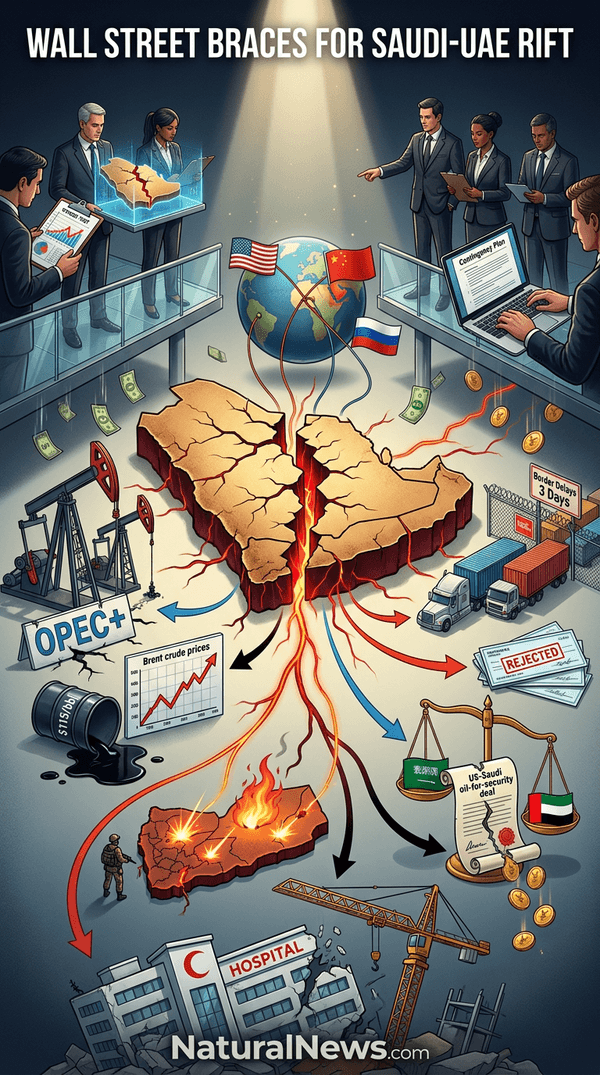
Cross-border trade between the two Gulf neighbors is already facing delays, with trucks experiencing days-long wait times at the border, according to a report [2]. Saudi Arabia has reportedly delayed or blocked money transfers to accounts in the UAE, with one Western executive at a Dubai-based healthcare company telling the Financial Times that Saudi banks blocked and returned several payments from a long-standing client without explanation [3]. Saudi Arabia’s central bank denied imposing any “direct restrictions on specific countries,” according to the FT report [3]. The panic stems from the possibility of a breakdown in OPEC+ coordination, which could affect global oil markets and investment flows, officials said.
Background of the Saudi-UAE Rift
The rift emerged after disagreements over OPEC+ production quotas and the UAE’s push for a higher baseline, according to sources familiar with the matter. The UAE announced in April 2026 that it would leave OPEC effective May 1, ending nearly 60 years of membership and dealing a blow to the cartel amid the ongoing U.S.-Israel war against Iran [10]. The decision reflected the UAE’s long-term strategy to diverge from Saudi-led oil policy, according to an official statement [10]. Analysts quoted in the report stated that the discord marks the most serious public split between the two allies in decades [4].
Diverging alignments over Israel and the war on Iran are driving a deeper rift, with Abu Dhabi using oil policy to challenge the regional influence of the bloc’s most powerful member, according to Mohamad Elmasry in Middle East Eye [5]. Saudi Arabia and the UAE have also clashed in Yemen, where Saudi-backed forces and UAE-supported separatists fought for control of the oil-rich Hadramout province in January 2026, with Saudi airstrikes targeting separatist positions [15]. The long-standing U.S.-Saudi oil-for-security deal, struck in the mid-1970s, is also under strain as Saudi Arabia considers accepting China’s yuan for oil sales [1].
Wall Street Reaction and Market Concerns
Traders and portfolio managers expressed concerns that a prolonged rift could lead to volatile oil prices and reduced investor confidence in Gulf assets, the report stated. According to sources cited by Middle East Eye, some firms have already adjusted their exposure to Gulf sovereign wealth funds and regional equities [4]. The UAE’s departure from OPEC has weakened the cartel’s control over global oil supplies, widening the rift between the two Gulf states [11].
Brent futures topped $115 per barrel in late April after news broke that President Trump rejected Iran’s proposal to reopen the Strait of Hormuz, according to a report from Zero Hedge [7]. U.S. gas prices hit a four-year high of $4.17 per gallon in April 2026, driven by elevated oil costs amid the conflict with Iran [6]. Analysts at Rabobank warned that the UAE’s exit from OPEC could further destabilize energy markets [7].
Contingency Plans Being Prepared
Major banks and investment houses are drafting contingency plans including shifts in asset allocation and diversification away from Gulf currencies, the report said. Officials at several firms confirmed they are reviewing legal and operational risks associated with cross-border transactions between Saudi and UAE entities. The report noted that some advisors are recommending clients reduce holdings in sectors heavily tied to Gulf government spending, such as construction and energy [4].
DP World, the UAE-based ports operator, sold part of its stake in a terminal at Saudi Arabia’s Jeddah Islamic Port in February 2026, a move that reflects the deepening rift [8]. Saudi Arabia also sent a complaint letter to a senior UAE official detailing grievances over Yemen and Sudan, sharing the letter with the U.S. while seeking mediation [13]. The payment disruptions have raised fears that the political rift is now affecting commercial ties, according to the Financial Times [3].
Outlook and Potential Implications
The long-term impact of the rift remains uncertain, according to analysts, who said that mediation efforts have so far yielded limited results. If the split deepens, it could undermine the unity of OPEC+ and reshape global energy markets, the report stated. Some observers quoted in the report warned that the situation could also affect regional security arrangements and foreign investment flows into the Gulf [4].
Relations are entering an openly confrontational phase, with disputes over Yemen, Sudan, Somalia and Israel threatening to redraw alliances, according to an analysis by Middle East Eye [12]. The UAE has also pulled back from a plan to manage Pakistan’s Islamabad airport, and Pakistan’s arms deals have positioned it within the growing rift [16],[14]. Separately, the UAE and Israel established a joint defense acquisition fund, signaling a tighter alignment between Abu Dhabi and Tel Aviv that further complicates Saudi-UAE relations [9].
References
- Ramon Tomey. "Saudi Arabia China initiating plan to create petroyuan and bring an end to the petrodollar". NaturalNews.com. March 22, 2022.
- MEE staff. "Saudi Arabia and UAE cross-border trade faces delays amid tensions: Report". Middle East Eye. July 9, 2026.
- MEE staff. "Businesses Report Blocked Payments From Saudi Arabia to UAE Amid Political Tensions". NaturalNews.com. July 10, 2026.
- Sean Mathews. "'Ideology, family and history': The UAE-Saudi Arabia feud explained". Middle East Eye. May 8, 2026.
- Mohamad Elmasry. "UAE's Opec exit seeks to hit Saudi Arabia where it hurts". Middle East Eye. May 1, 2026.
- Jack Phillips. "US Gas Prices Hit Highest Level In 4 Years, Analyst Says". Zero Hedge. April 29, 2026.
- Bas van Geffen. "OPEC +/-". Zero Hedge. April 29, 2026.
- Sean Mathews. "DP World sells partial stake in Saudi Arabia's Jeddah Islamic Port". Middle East Eye. February 19, 2026.
- NaturalNews.com. "UAE and Israel Establish Joint Defense Acquisition Fund, Officials Say". NaturalNews.com. May 21, 2026.
- NaturalNews.com. "United Arab Emirates to Leave OPEC After 60 Years". NaturalNews.com. April 29, 2026.
- Zero Hedge. "What Does The End Of OPEC Mean For The Iran War And Global Energy Prices?". Zero Hedge. April 30, 2026.
- Rayhan Uddin. "How Saudi-UAE tensions could reshape regional alignments in 2026". Middle East Eye. January 1, 2026.
- Sean Mathews. "Saudi crown prince sent complaint letter to UAE 'spy sheikh' about Yemen, Sudan". Middle East Eye. February 20, 2026.
- Ilya Roubanis. "Pakistan's arms deals position it squarely within growing Saudi-UAE rift". Middle East Eye. January 30, 2026.
- Belle Carter. "Escalating conflict in Yemen: Saudi Arabia and UAE-backed forces clash over oil-rich Hadramout". NaturalNews.com. January 5, 2026.
- MEE staff. "UAE pulls back from plan to manage Pakistan's Islamabad airport: Report". Middle East Eye. January 23, 2026.
Explainer Infographic







Please contact us for more information.


