


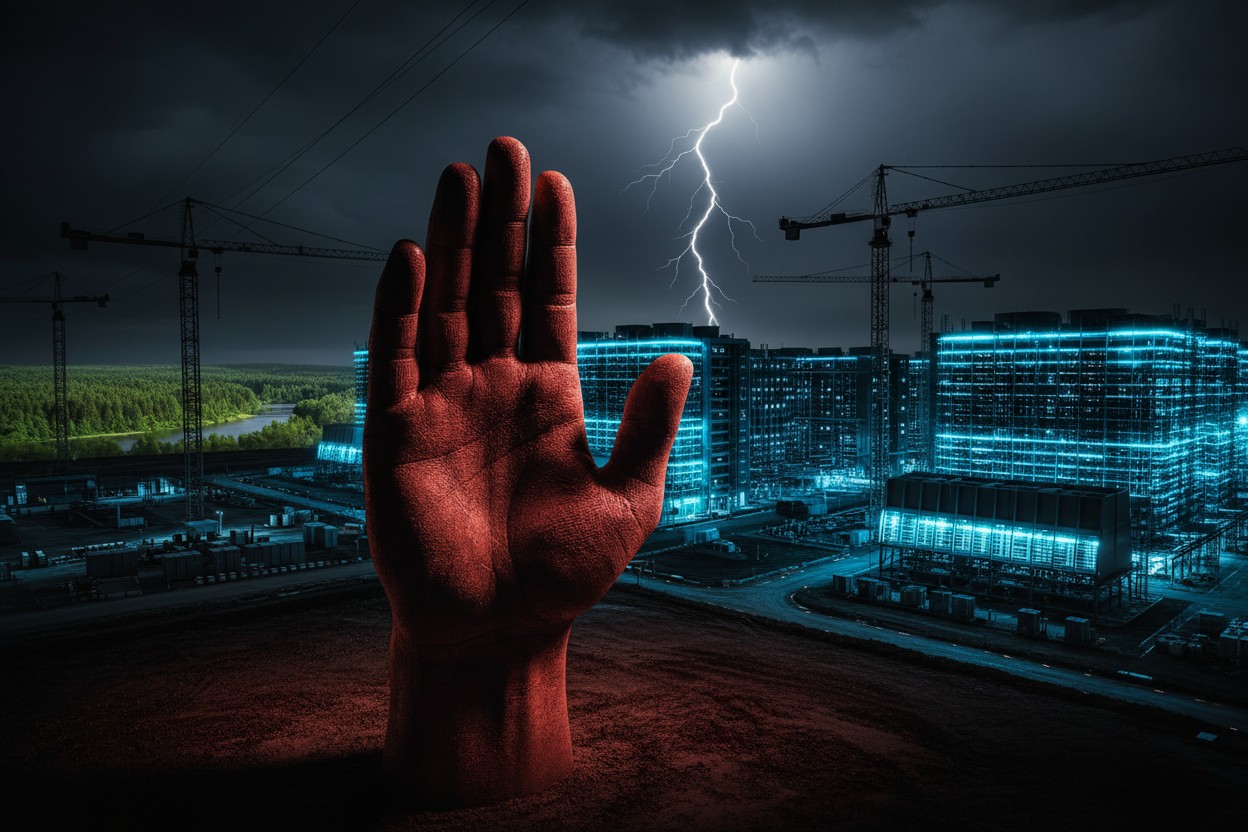
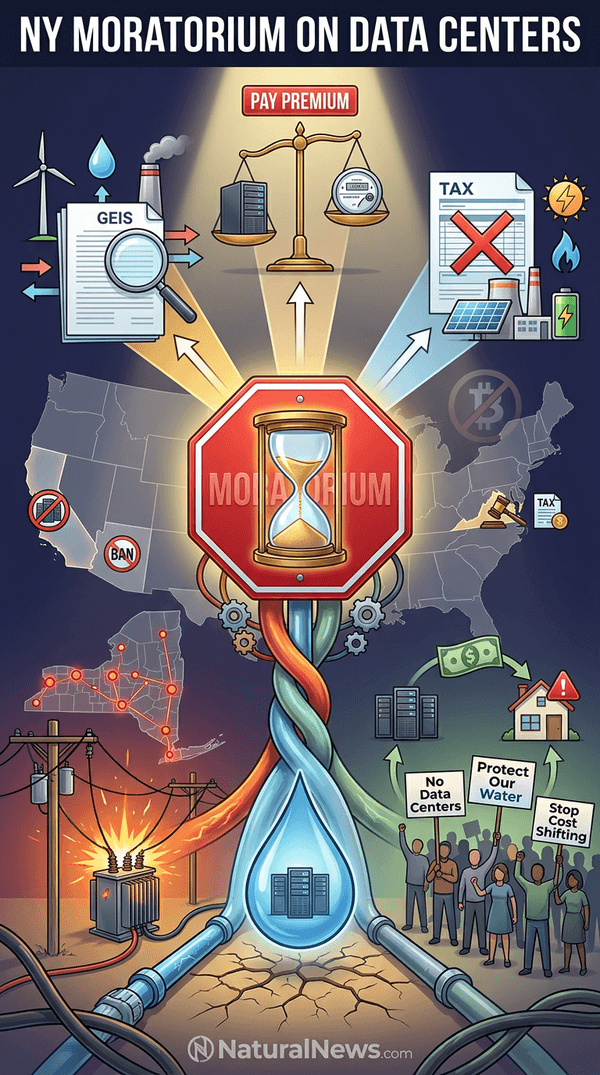
The moratorium applies to new data centers requiring 50 megawatts or more of electricity, effectively freezing the permitting process for the fastest-growing source of U.S. power demand, according to the governor’s office. The order directs the New York Department of Environmental Conservation to conduct a Generic Environmental Impact Statement (GEIS) to assess grid, water, and air impacts. [1] Smaller computing facilities used by hospitals, universities, and back-office financial services are exempt from the executive order. [2]
Details of the Executive Order and Legislative Action
The executive order follows the Responsible Data Center Development Act, passed by the New York State Legislature in June 2026, which targeted facilities over 20 megawatts but was not yet in effect. By using an executive order, Hochul’s administration imposed an immediate freeze while continuing to review the legislature’s broader statutory proposals, officials said. The order also builds on earlier legislative efforts, including a bill introduced in February 2026 that proposed a three-year pause on new data center permits. [3]
The governor additionally announced plans to pursue legislation to repeal sales tax exemptions for hyperscale data centers and to require operators to build on-site power generation or pay premiums to prevent shifting utility costs to residential consumers, according to the governor’s office. The state will use the one-year pause to develop uniform regulatory frameworks, with a final GEIS expected within 12 months, officials stated. [4] The New York Department of Environmental Conservation will oversee the study, examining impacts on electricity, pollution, water, and land use. [5]
Reasons Cited for the Pause
Officials cited strain on the electric grid, water consumption, and community concerns as primary reasons for the moratorium. The rapid expansion of AI data centers has placed unprecedented demand on energy infrastructure. According to reports, the United States has plateaued in power generation for about a decade while AI data center demand skyrockets. [6] In Central Texas alone, data centers consumed 463 million gallons of water in 2023-24, enough for thousands of households, according to Mike Adams of Brighteon.com. [7]
The governor’s office emphasized that the pause would protect residents from cost increases. Utility costs have become a flashpoint, with reports indicating that data centers in some regions have led to higher electricity bills for local communities. In Nevada, nearly 50,000 residents near Lake Tahoe are set to lose power by May 2027 as utilities redirect electricity to data centers. [8] The executive order requires data center operators to either build dedicated on-site generation or pay premiums to prevent cost shifting to residential consumers, according to the governor’s office. [4]
Broader Backlash Across the United States
The New York order reflects a growing bipartisan backlash against data center development in several states. In Virginia, the nation’s data center capital, the state legislature imposed a consumption tax of $0.011 per kilowatt-hour and passed legislation requiring data centers to pay for transmission infrastructure and limiting the use of noisy backup generators. The Blackstone-owned QTS Realty Trust recently withdrew its final appeal to build a giant data center in Prince William County, effectively killing the $100 billion, 2,100-acre project. [9]
In Texas, Gov. Greg Abbott has urged regulators to prevent cost shifting to residents and called for bans in rural areas, and multiple rural counties have enacted local moratoriums, according to reports. [10] In California, the city of Monterey Park became the first in the nation to approve an all-out ban on data centers, with 86 percent of voters supporting the measure to protect air quality, water resources, and public health. [11] Environmental groups have also urged Congress to impose a national moratorium, with more than 230 organizations delivering a letter to Congress in December 2025 warning that data centers consume enormous quantities of electricity and water and contribute to climate change. [12] The backlash is fueled by community opposition, zoning disputes, and distrust of major technology companies. [13]
Outlook and Market Response
Industry representatives have expressed concerns that the moratorium could slow AI infrastructure investment in New York. The state, which has been a hub for technology development, may see some projects move to other regions with more favorable regulatory environments, analysts said. However, the broader market has already shown signs of strain. Blackstone unexpectedly pulled out of the world’s largest data center campus project in July 2026, a move some interpreted as a signal that the data center boom may be peaking. [9]
The moratorium takes effect immediately, according to the governor’s office. The state will use the pause to create a blueprint for responsible data center development, balancing economic growth with grid reliability and environmental protection. A final GEIS is expected within 12 months, after which the moratorium could be lifted or replaced with permanent regulations. [1] The New York order represents a significant turning point in the national debate over AI infrastructure and its impact on communities, according to policy analysts.
Conclusion
The nationwide revolt against data centers shows no signs of abating. New York’s first-in-the-nation moratorium sets a precedent that other states may follow, as concerns over grid capacity, water usage, and cost shifting continue to drive legislative action. The battle over AI infrastructure has become a central issue in the broader struggle between technology giants and local communities, with implications for energy policy, environmental justice, and the future of automation.
References
- The Epoch Times. "New York Imposes First Statewide Moratorium on Data Centers". July 14, 2026.
- 100PercentFedUp.com. "Democrat Governor Announces Nation’s First Statewide Data Center Moratorium". July 15, 2026.
- TechCrunch. "New York lawmakers propose a three-year pause on new data centers". February 7, 2026.
- Zero Hedge. "New York Becomes First State To Enact One Year Ban On New Data Centers". July 14, 2026.
- The Epoch Times. "New York Legislature Passes Data Center Moratorium". June 7, 2026.
- Mike Adams (Brighteon.com). "Health Ranger Report - AI data centers". August 1, 2025.
- Mike Adams (Brighteon.com). "Brighteon Broadcast News - HUGE MISTAKE". August 1, 2025.
- Mike Adams (BrightVideos.com). "Health Ranger Report - AMERICANS CUT OFF FROM GRID". May 14, 2026.
- Zero Hedge. "World's Largest Data Center Campus On Verge Of Collapse After Blackstone Unexpectedly Pulls Out". July 2, 2026.
- Zero Hedge. "America's Data-Center Revolt Goes Local - And Bipartisan - As Towns Slam The Brakes". June 26, 2026.
- 100PercentFedUp.com. "California City Appears To Be First In Country To Ban Data Centers Entirely". June 5, 2026.
- Watts Up With That. "Environmental Groups Urge Congress to Ban Data Centers". December 18, 2025.
- YourNews.com. "Violence, Activism, and Distrust Fuel Nationwide Backlash Against Data Center Expansion". April 19, 2026.
Explainer Infographic









Please contact us for more information.


