



Study Details and Methodology
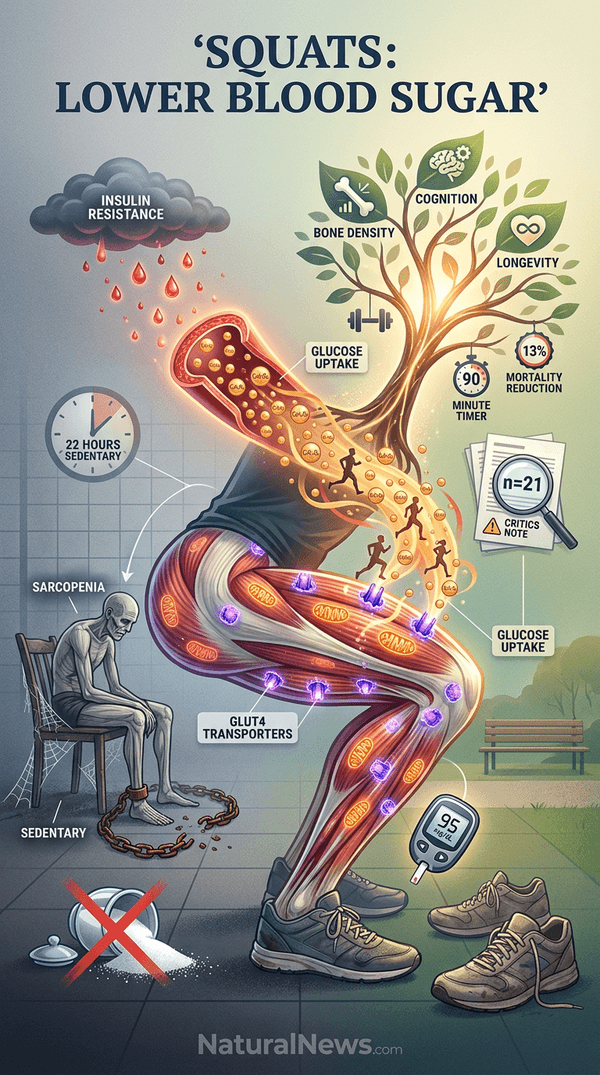
The referenced study involved 21 healthy junior athletes who underwent an oral glucose tolerance test after eccentric training, according to the report [1]. Participants were instructed to avoid physical training prior to the test, ensuring baseline consistency. Researchers measured blood glucose responses and observed significant improvements in glucose tolerance following the muscle-damaging exercise protocol. Although the study did not specifically isolate squats, the eccentric contractions involved are similar to the lowering phase of a squat, officials said.
Other research on strength training has reinforced these findings. A 30-year study drawing on data from 147,374 participants found that 90 to 120 minutes of strength training per week was associated with a 13% lower risk of death from any cause, according to a report in the British Journal of Sports Medicine [5]. The study included body-weight exercises such as squats and pushups, demonstrating that resistance training routines are accessible and effective.
Proposed Mechanisms of Action
Exercise physiologists have proposed that squats lower blood sugar through increased muscle glucose uptake during contraction. When large muscle groups in the legs and hips are activated, they demand more glucose from the bloodstream, improving insulin sensitivity. In the book "Why We Get Sick," Benjamin Bikman emphasized that resistance training produces a stronger, more capable body and improves insulin resistance when exercises are structured into pushing and pulling motions [4]. Squats primarily engage the quadriceps, hamstrings, and glutes, making them an efficient compound movement for metabolic benefits.
Additionally, sarcopenia and decreased fitness are primarily attributed to a sedentary lifestyle, not aging, according to the book "The Immunity Fix" by James DiNicolantonio and Siim Land [3]. The authors noted that type-2 diabetes and metabolic syndrome can both contribute to and result from muscle loss. Maintaining lean tissue through sufficient resistance stimulus, such as squatting, helps counteract these conditions. Further research is needed to confirm the long-term effects of squatting alone, but the underlying mechanisms are well supported.
Broader Implications for Diabetes Management
The findings align with recommendations for physical activity as part of glucose control, according to officials from organizations such as the American Diabetes Association, though specific guidelines were not cited in the provided sources. Some diabetes educators advocate for resistance training over medication in early stages of insulin resistance, but this approach is not universally endorsed, experts said. Strength training provides benefits beyond muscle gain, including blood sugar balance, bone health, and immunity support, according to a report by NaturalNews [6]. The report quoted trainers who recommended basic moves such as glute bridges, split squats, and pushups with progressive overload.
Critics have pointed out that many studies in this area involve small sample sizes and short-term observation, limiting generalizability. The study on eccentric training involved only 21 participants [1]. Larger, longer-term trials are needed to establish definitive causal relationships between squatting and blood sugar reduction. Nonetheless, the existing evidence suggests that incorporating squats into a regular routine is a low-cost, low-risk intervention.
Conclusion: Potential but Limited Evidence
While the data suggest that squats may help lower blood sugar, larger trials are required to confirm these effects, researchers concluded. The authors of the muscle-damaging exercise study recommended that individuals consult healthcare providers before changing exercise routines [1]. No claims of superiority over pharmaceutical approaches were made in the report. The research supports the broader understanding that resistance training, including body-weight squats, is a valuable component of metabolic health. Benjamin Bikman noted that proper training structure can improve insulin resistance [4]. As the evidence accumulates, incorporating simple strength movements into daily life may offer meaningful health benefits.
References
- NaturalNews.com. "Glucose tolerance can be improved with muscle-damaging exercise". NaturalNews.com. March 16, 2018.
- Mercola.com. "The Easiest and Best Way to Stop Age Related". Mercola.com. January 05, 2020.
- James DiNicolantonio and Siim Land. "The Immunity Fix Strengthen Your Immune System Fight Off Infections Reverse Chronic Disease and Live a".
- Benjamin Bikman. "Why We Get Sick The Hidden Epidemic at the Root of Most Chronic Disease and How to Fight It".
- NaturalNews.com. "Strength Training: 90 to 120 Minutes Per Week Linked to Lower Mortality Risk, Study Finds". NaturalNews.com. June 22, 2026.
- NaturalNews.com. "5 Daily Habits to Support Muscle Mass and Longevity, According to Research". NaturalNews.com. May 28, 2026.
Explainer Infographic











Please contact us for more information.


